The smartest rack placements for a studio, ranked by ventilation, drip protection, and usable clearance, plus a quick humidity check and safety rules renters...
Space Ovo
How to Get Rid of Fleas in Your Home
A step-by-step plan to get rid of fleas fast: treat pets safely, vacuum like a pro, wash textiles, and stop reinfestations in small apartments and homes.

Maya Brooks
Maya Brooks is an interior stylist and layout enthusiast who believes square footage should never dictate your home's style. After a decade of navigating cramped city studios, she shares practical, renter-friendly decorating and storage solutions to help others maximize their tiny spaces.
I learned about fleas the hard way in a Brooklyn walk-up that was approximately the size of a generous pantry. My neighbor’s cat would do little hallway visits, and one week later I was doing the “why are my ankles itchy?” dance while trying to pretend it was a cute personality quirk. Fleas are tiny, relentless, and annoyingly good at turning a home into their personal daycare. The good news is you can evict them, even in a small space, if you follow the right order.
This is my practical, renter-friendly plan: treat the animals, then treat the home, then keep pressure on the life cycle until it breaks.
First: make sure it’s actually fleas
Before you buy half the pet aisle, do a quick confirmation. Fleas are usually easiest to spot on pets and near the floor.
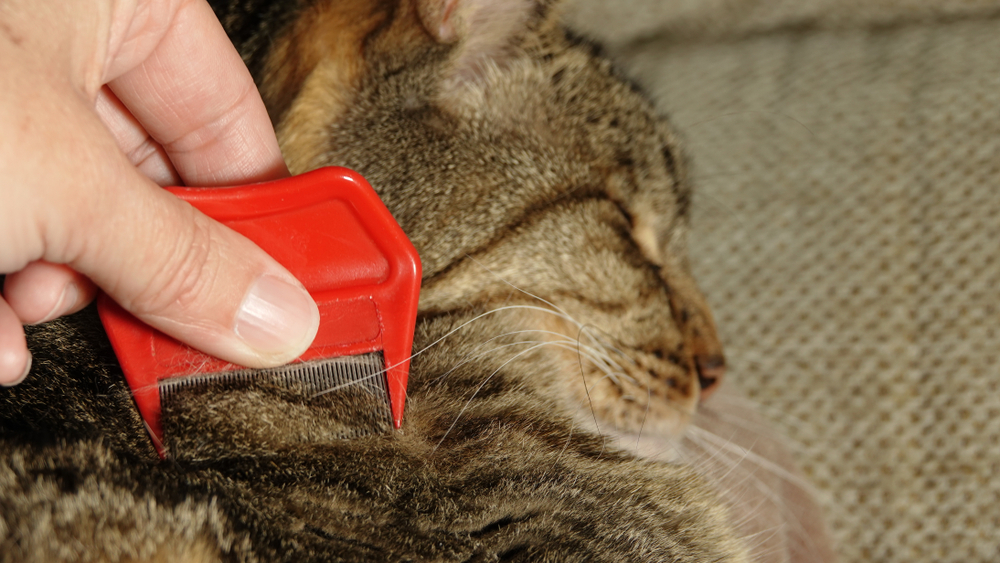
- On pets: Use a flea comb around the neck, base of tail, and belly. Look for live fleas or black specks.
- The “flea dirt” test: Put the black specks on a damp white paper towel. If they smear reddish-brown, that is flea dirt (digested blood).
- On humans: Flea bites often cluster on ankles and lower legs and can be very itchy.
- In the home: Check pet bedding, rugs, and where pets nap. You might see small dark insects that move fast.
If you see bites but no evidence of fleas, consider other culprits like bed bugs or mites. Flea control is very specific, and you do not want to treat the wrong problem.
Know the enemy: why fleas keep coming back
Fleas have a life cycle that makes quick one-and-done cleaning almost never enough.
- Adults live on pets and bite.
- Eggs fall off into carpets, cracks, and bedding.
- Larvae hide in dark places and feed on organic debris, including flea dirt.
- Pupae can sit tight in a cocoon and wait for vibrations, heat, and carbon dioxide, then hatch when you think you have won.
That last stage is why people feel like fleas magically reappear. Your job is to kill adults and remove eggs and larvae repeatedly until nothing new can mature.
Step 1: Treat pets (non-negotiable)
If you have pets, you can clean your apartment like a surgical suite and still lose the battle if the pet is untreated. Start here, the same day you begin home treatment.
Important: Treat every pet in the home at the same time, including indoor-only cats and dogs. If one animal misses treatment, fleas have a safe harbor and you are back to square one.
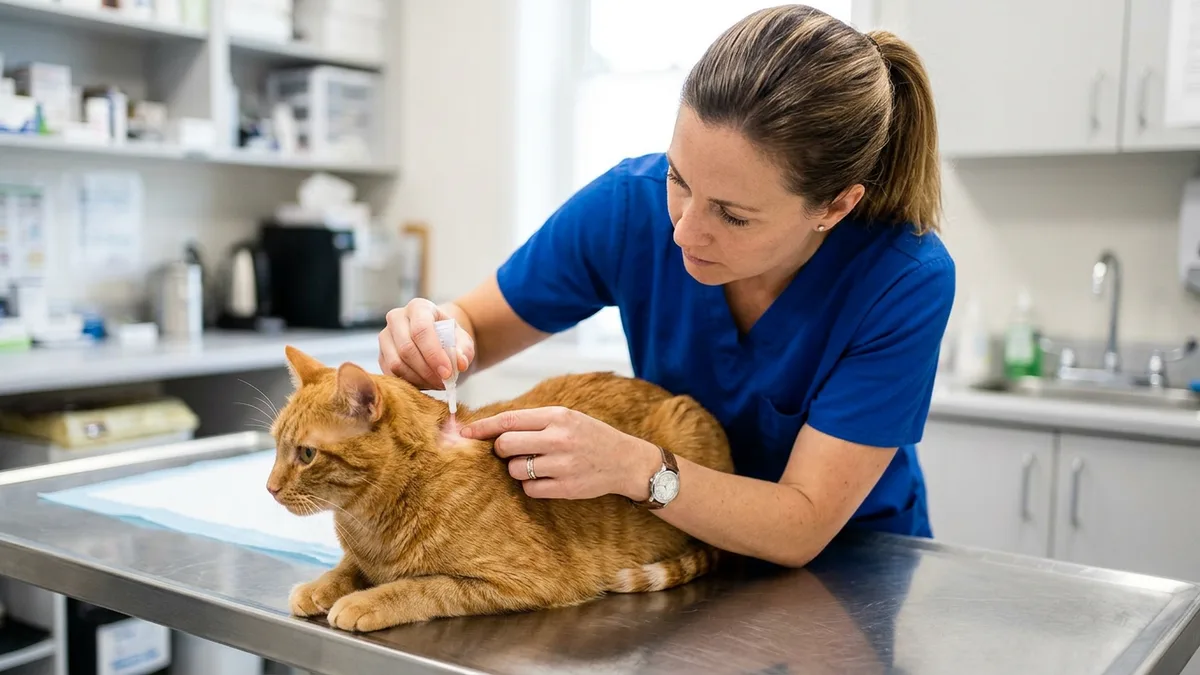
Best option: vet-approved flea medication
Talk to your veterinarian if possible, especially for kittens, puppies, seniors, or pets with health conditions. Common categories include:
- Oral chewables that kill fleas fast.
- Topical monthly treatments applied to the skin.
- Flea collars designed for continuous protection.
Important: Never use dog flea products on cats. Some ingredients that are safe for dogs can be dangerous for cats.
Support moves that help right away
- Flea comb daily for a week. Dunk the comb contents into soapy water.
- Bathe if appropriate for your pet. A gentle pet shampoo can knock down adults, but it is not a full plan on its own.
- Wash pet bedding on hot (more on laundry below).
Step 2: Vacuum like you mean it
If you live in a small apartment, you have an advantage: you can cover every inch quickly and often. Vacuuming is one of the most effective ways to remove eggs and larvae and it can help stimulate pupae to emerge so they can be killed by pet treatments and home products.
Where to vacuum (in order)
- Rugs and carpets, slow passes in multiple directions
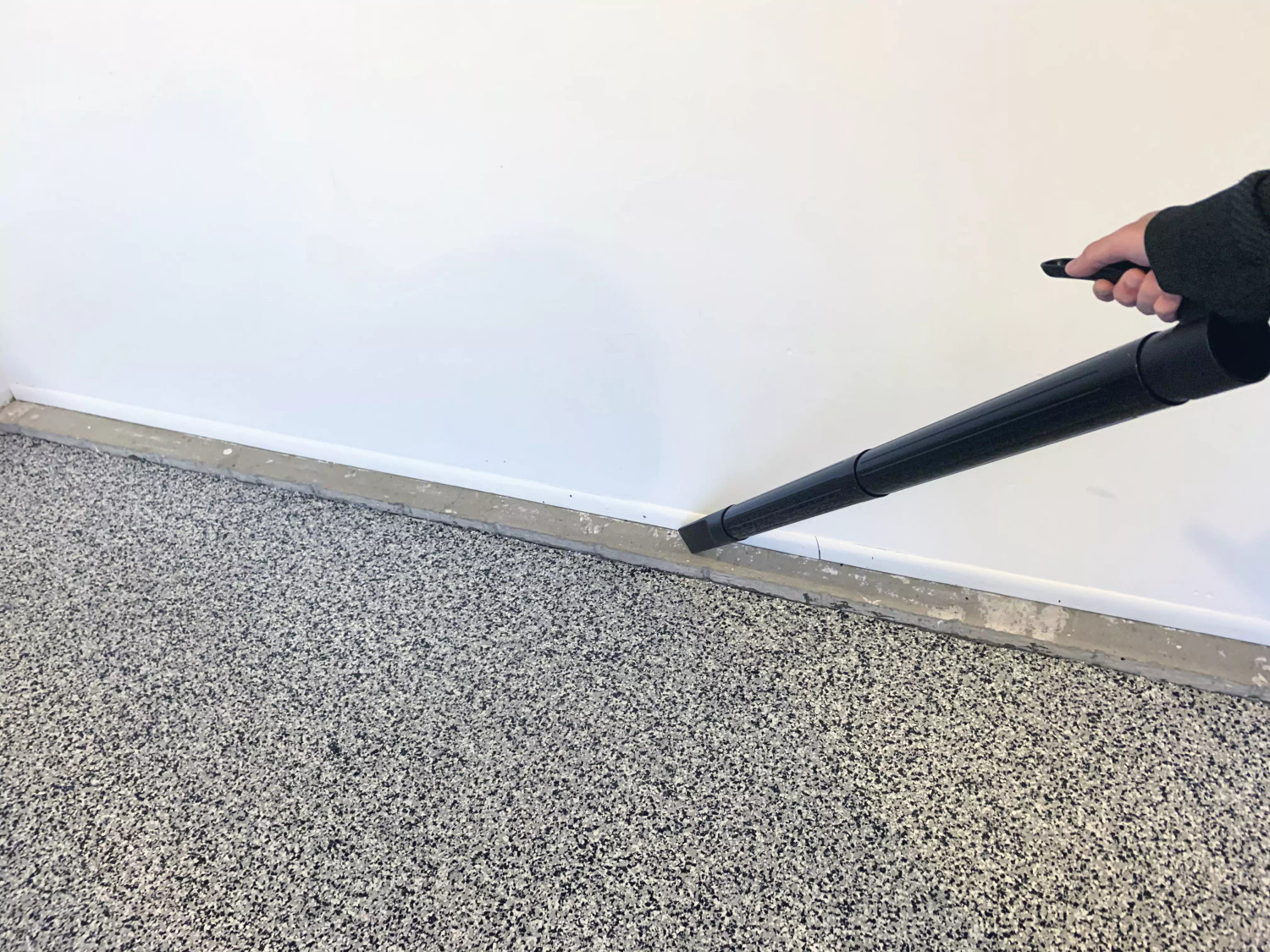
- Baseboards and floor edges (use a crevice tool)
- Under beds and sofas
- Upholstered furniture, especially where pets sit
- Closets where pets nap or where you store pet bedding
How often
- Days 1 to 7: Vacuum daily if you can.
- Week 2: Vacuum every other day.
- Weeks 3 to 4: Vacuum twice a week.
Bag and canister rules
Fleas can survive inside vacuum debris. When you finish:
- Bagged vacuums: Remove the bag, seal it in a plastic bag, and take it to an outdoor bin or dumpster (not your kitchen trash).
- Bagless vacuums: Empty into a trash bag, seal, and take it to an outdoor bin or dumpster. Wash the canister with hot soapy water if possible and let it fully dry.
If your vacuum allows it and the product label supports it, some people add a small amount of soapy water to the empty canister (bagless) to reduce survival in debris. Do not improvise with insecticides inside the vacuum unless the label explicitly says it is safe.
Step 3: Heat-wash textiles (be strategic)
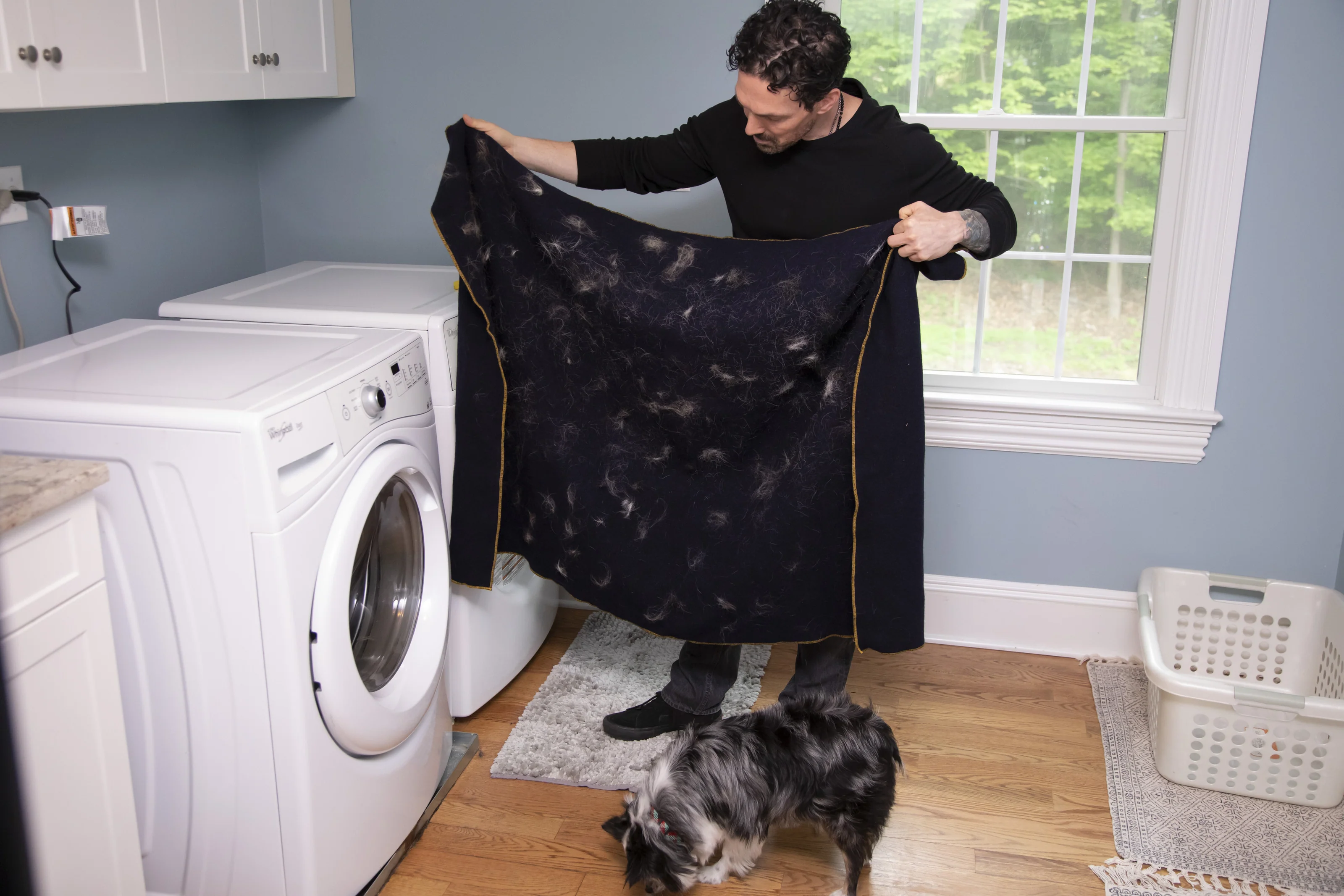
Fleas do not “prefer” fabric emotionally, but the reality is eggs and larvae end up in fibers, protected from light and disturbance. Larvae also feed on organic debris in those areas, especially flea dirt. You do not need to wash every piece of clothing you own. Focus on what touches the floor or your pet.
Wash these first
- Pet bedding, blankets, and soft toys
- Your bedding (especially if pets sleep with you)
- Throw blankets and couch covers
- Bathroom mats, entry rugs that can be laundered
- Recently worn lounge clothes if you sit on the floor or cuddle pets a lot
Settings that work
- Wash: Use the hottest water the fabric can safely handle.
- Dry: Use the hottest safe dryer setting and run it long enough that items are fully hot and dry throughout. A longer cycle is better than cutting it close, especially with bulky loads.
If something cannot be washed, a high-heat dryer cycle can still help if the item is dryer-safe. If you cannot heat-treat an item, seal it in an airtight bag and store it out of the way long enough for any hidden life stages to die off. In practice, that can mean several weeks, and sometimes longer, depending on temperature and humidity. The more you can lean on heat and vacuuming, the faster this goes.
Step 4: Pick a home treatment
After pets are treated and vacuuming is underway, add a home treatment layer. Your best choice depends on whether you have carpets, your comfort level with chemicals, and how severe the infestation is.
Option A: IGR spray (my go-to for apartments)
An IGR (insect growth regulator) stops eggs and larvae from developing into biting adults. For many homes, an IGR combined with consistent vacuuming is what breaks the cycle.
- Pros: Targets the life cycle, often low odor, great for carpets and upholstery.
- Cons: Does not always kill every adult immediately, so you still need effective pet treatment and you may still see a few fleas emerge for a bit.
Follow the label exactly, including any reapplication timing. Ventilate well, keep pets and people off treated areas until dry, and focus on floors, rug edges, under furniture, and pet hangout zones.
Option B: Adulticide + IGR (for heavier infestations)
An adulticide is a product that kills adult fleas on contact or shortly after exposure. Some home sprays combine an adulticide with an IGR, which can give faster relief while still handling the next generation.
Label directions are law here, especially around cats, aquariums, and children. More product does not mean more effective. It means more exposure.
Option C: Professional pest control
Call a pro if:
- You have repeated reinfestations despite treating pets and vacuuming for 2 to 3 weeks
- You have multiple pets or a multi-unit building with shared issues
- Someone in the home has severe bite reactions
In apartments, ask whether the building has treated adjacent units or common areas. Hallways, shared laundry rooms, basements, and neighboring units can keep fleas circulating. If you suspect a building-wide issue, loop in your landlord or building management early so you are not fighting your entire zip code alone.
A quick note on foggers
Flea foggers can miss the places fleas actually live, like deep carpet fibers and under furniture, and they can add unnecessary exposure in small spaces. If you use one, it should be part of a bigger plan, not the plan.
Step 5: Hit the hiding spots
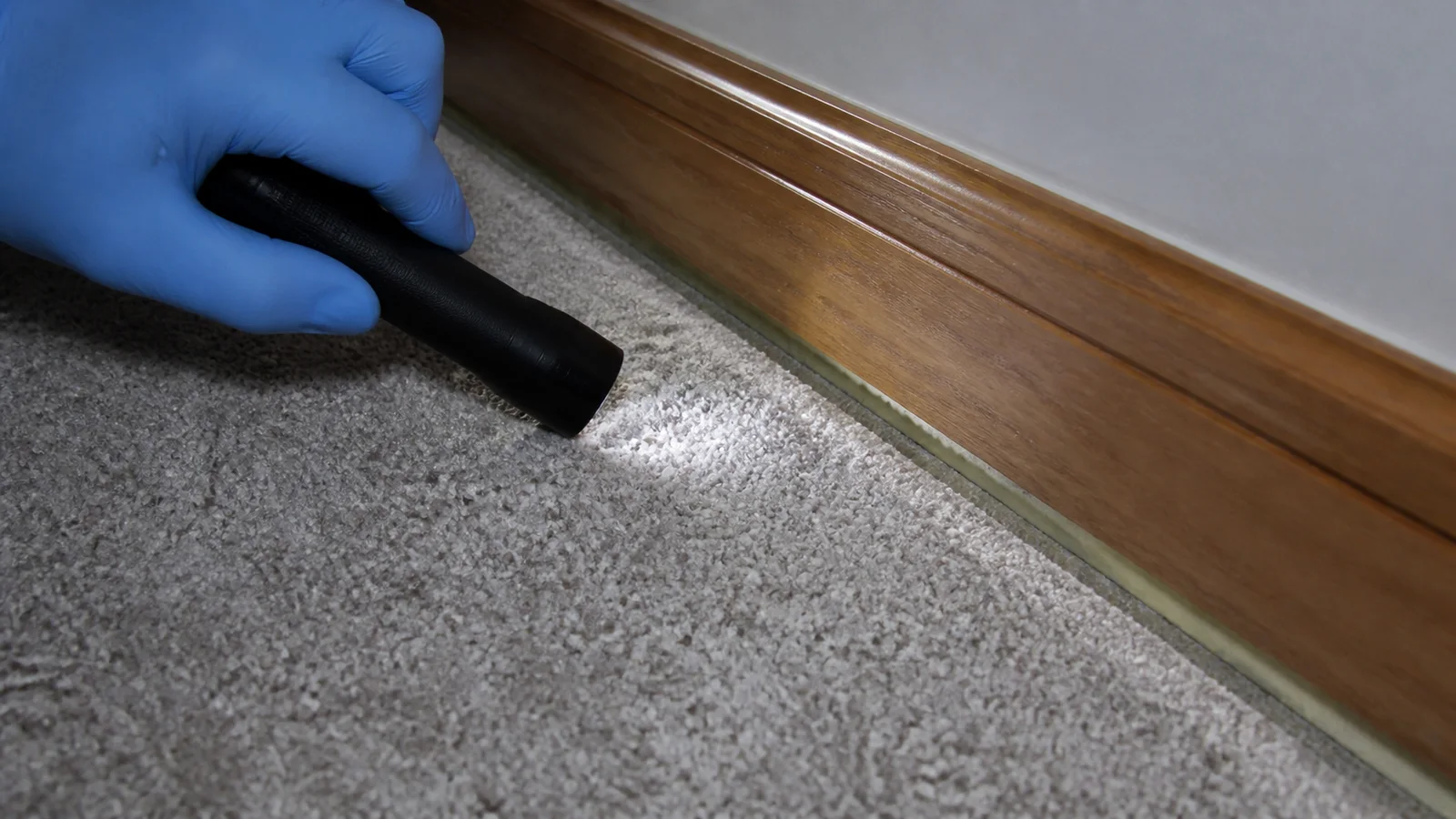
Fleas are tiny-space experts. If your home is small, they will take advantage of every crevice.
- Under sofa cushions: Vacuum seams and gaps.
- Pet crate corners: Wash hard crates with hot soapy water, then dry thoroughly.
- Floor cracks and thresholds: Crevice tool vacuuming matters.
- Entryway: Shoes and bags near the door can hitchhike pests.
- Car: If pets ride with you, vacuum seats and floor mats and wash washable covers.
If fleas keep returning, zoom out and look for the source. Rodents in basements, stray cats near a back door, or wildlife traffic around entry points can keep seeding your space.
Timeline: what “working” looks like
Flea control is a process, so your expectations need a calendar.
In the first 24 to 48 hours
- You should see fewer live fleas on treated pets.
- Vacuuming will start pulling eggs and larvae out of fibers.
In week 1
- Itching and bites usually drop, but you may still see occasional fleas. This can be pupae emerging over time, not failure.
Weeks 2 to 4
- This is where consistency wins. Continue vacuuming and keep pets on effective prevention.
- If your home treatment product calls for reapplication, follow the label schedule so you keep steady pressure on the life cycle.
If you are still seeing frequent fleas after 3 to 4 weeks, it is time to reassess: Was every pet treated? Are there visiting animals? Is a neighboring unit infested? Are rodents or strays nearby? Is the product being applied correctly and at the right intervals?
Prevention in a small home
My design brain loves systems. The goal is to make your home unfriendly to fleas without turning your life into a cleaning bootcamp.
- Keep pets on prevention during flea season or year-round if your vet recommends it.
- One washable throw per pet zone: Put a machine-washable blanket where your pet lounges most. Wash weekly. It is easier than cleaning the whole sofa.
- Entryway routine: Shake out pet blankets after trips, vacuum the area where carriers and leashes live.
- Regular vacuum schedule: Even once a week makes a difference in rugs and upholstery.
- Yard check (if you have outdoor space): Keep grass trimmed and remove organic debris where fleas and wildlife hang out.
Safety notes
- Read every label: Mixing products or overapplying does not make them work better. It can make them unsafe.
- Ventilation matters: Open windows, use fans, and let treated areas dry fully.
- Aquariums: Cover tanks and turn off air pumps during spraying as directed, then ventilate well.
- Essential oils and DIY remedies: Many oils are irritating to pets, and some can be toxic, especially to cats. Also skip common internet fixes like salt, borax, or baking soda worked into carpets. Results are inconsistent, and these powders can irritate lungs and paws. Stick to proven flea control methods.
FAQ
Can fleas live in a home without pets?
Yes. Fleas can come in from wildlife, rodents, or other animals in or near a building. Less commonly, they can hitchhike on clothing or visitors. But ongoing infestations are far more common when a pet is present and untreated.
How do I get rid of fleas fast?
The fastest realistic combo is: vet-approved pet treatment the same day, daily vacuuming for a week, hot-wash and hot-dry of pet and bedding textiles, plus an IGR-based home treatment if needed.
Why am I still seeing fleas after treatment?
Often it is pupae emerging over time. Keep vacuuming and keep pets protected. If you still see lots of fleas after 3 to 4 weeks, double-check that every animal was treated correctly and consider professional help.
Do I need to throw away rugs or furniture?
Almost never. Consistent vacuuming, washing what you can, and proper treatment is usually enough. Tossing items is expensive and often unnecessary, especially for renters.