The smartest rack placements for a studio, ranked by ventilation, drip protection, and usable clearance, plus a quick humidity check and safety rules renters...
Space Ovo
Small Apartment Smells Musty? 6 Fixes to Try First
A musty smell in a small apartment usually comes from trapped humidity, stale air, damp laundry, drains, or closed-up closets. Try these renter-friendly fixes in order, plus when to call your landlord about possible mold or a leak.

Maya Brooks
Maya Brooks is an interior stylist and layout enthusiast who believes square footage should never dictate your home's style. After a decade of navigating cramped city studios, she shares practical, renter-friendly decorating and storage solutions to help others maximize their tiny spaces.
I have lived in enough “cozy” studios to know the musty smell is rarely mysterious. In small apartments, air and moisture get trapped fast. A damp towel, a closet that never breathes, or a couch pushed tight to an exterior wall can start that “old basement” vibe surprisingly quickly.
The good news: you can usually fix it without buying anything fancy. Start with the least-effort moves first, then work your way down the list until your apartment smells like, well, nothing. That is the goal.

Before you start: Find the musty zone
Musty smells are often strongest where air is stagnant or fabric stays slightly damp. Do a quick sniff test and check the usual suspects:
- Closets and closed cabinets (especially ones on exterior walls)
- Bathroom corners, under the sink, and behind the toilet
- Kitchen sink base cabinet and around the dishwasher
- Hamper area, gym bag pile, or where you air-dry laundry
- Behind big furniture like the bed, sofa, and dresser
- Soft goods like rugs, throw pillows, and blackout curtains
If you can identify one “hot spot,” you can fix the cause instead of perfuming over it.
Fix #1 (5 minutes): Cross-ventilate
In a tiny space, “airing out” only works if you create actual airflow. One cracked window is rarely enough in a small place.
Do this
- Open two windows on opposite sides of the apartment if you can, even if they are only open a few inches.
- Open the bathroom door and closet doors so stale air can escape.
- Turn on the bath fan (and the stove hood if it vents outside).
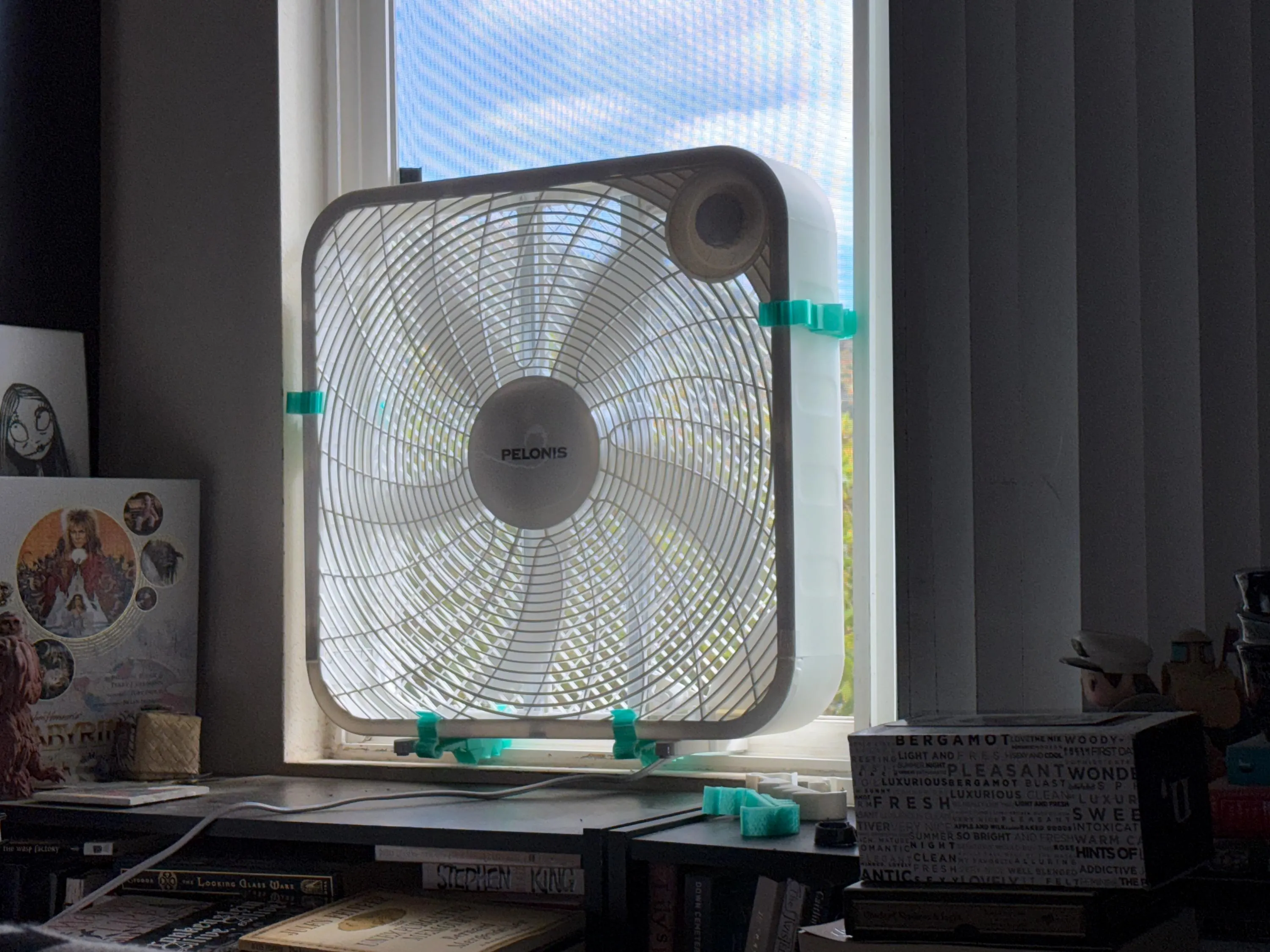
- If you have one fan, aim it toward the open window to push stale air out. If you have two, one pushes air out and one pulls fresh air in.
Maya tip: I do a 10-minute “air swap” in the morning while I make coffee. It is the easiest way to keep a small apartment from smelling like yesterday’s shower, laundry, and dinner all at once.
Fix #2 (10 minutes): Remove hidden damp
Musty usually means moisture is lingering somewhere. In a small apartment, the biggest culprits are everyday items that never fully dry.
Quick wins
- Towels: Spread them fully on a bar or rack, not folded on a hook. Wash if they smell even slightly sour.
- Bath mat: Hang it to dry after showers. If it stays damp, it will stink.
- Dish sponge and dish cloth: Replace or sanitize. A musty sponge perfumes your whole kitchen.
- Gym bag: Empty it and air it out. Wash sweaty straps.
- Laundry hamper: Do not let wet items sit “just overnight.” Overnight is how smells get a foothold and become harder to remove.
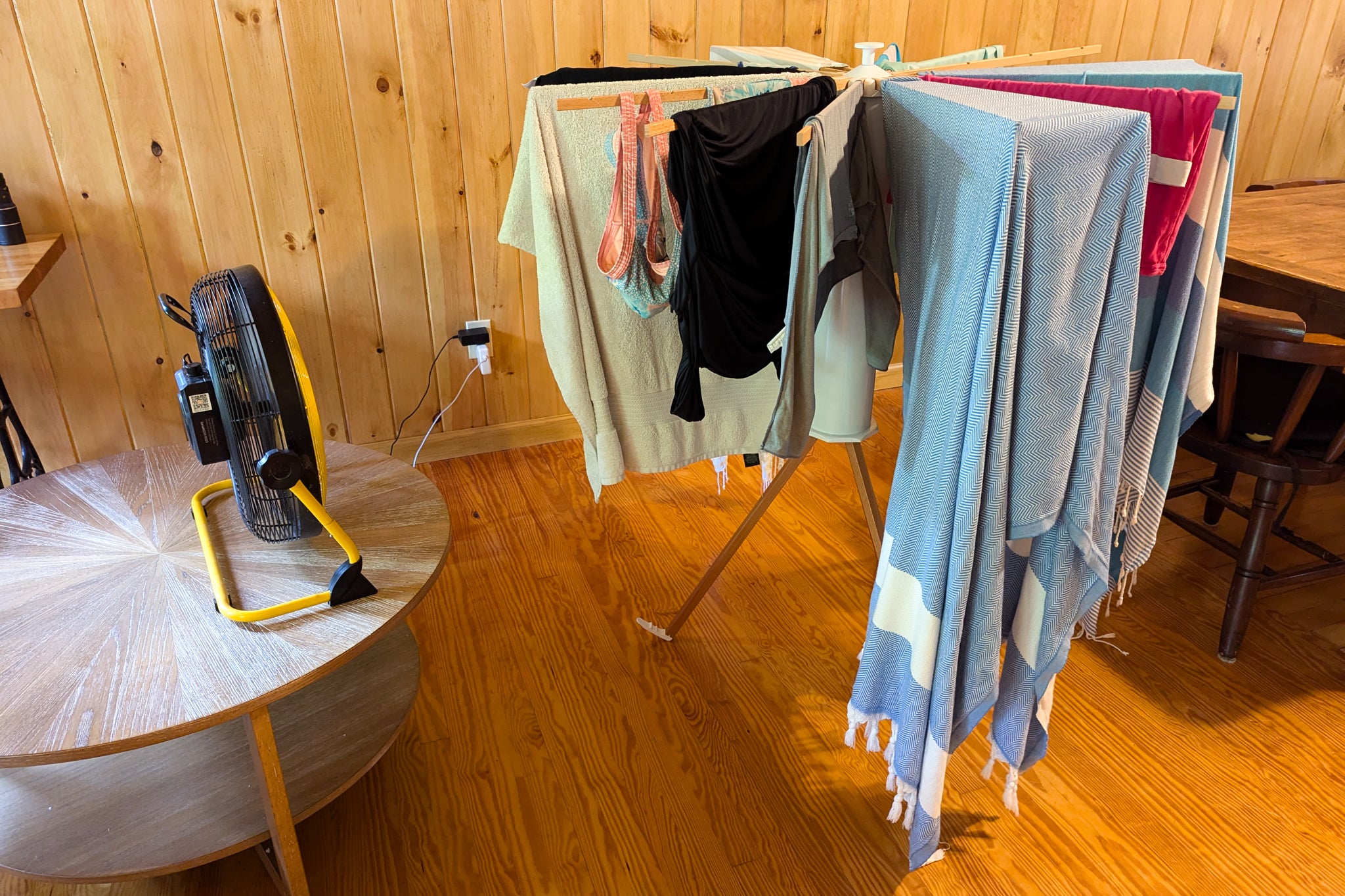
If your laundry is air-drying indoors, make sure it is not creating a damp corner. A drying rack is great, but it needs airflow, space, and a time limit. If clothing takes longer than 24 hours to dry, that moisture is hanging out in your apartment too. (In very humid climates, you may need a fan, AC, or a dehumidifier to make indoor drying workable.)
Fix #3 (15 minutes): Use moisture absorbers
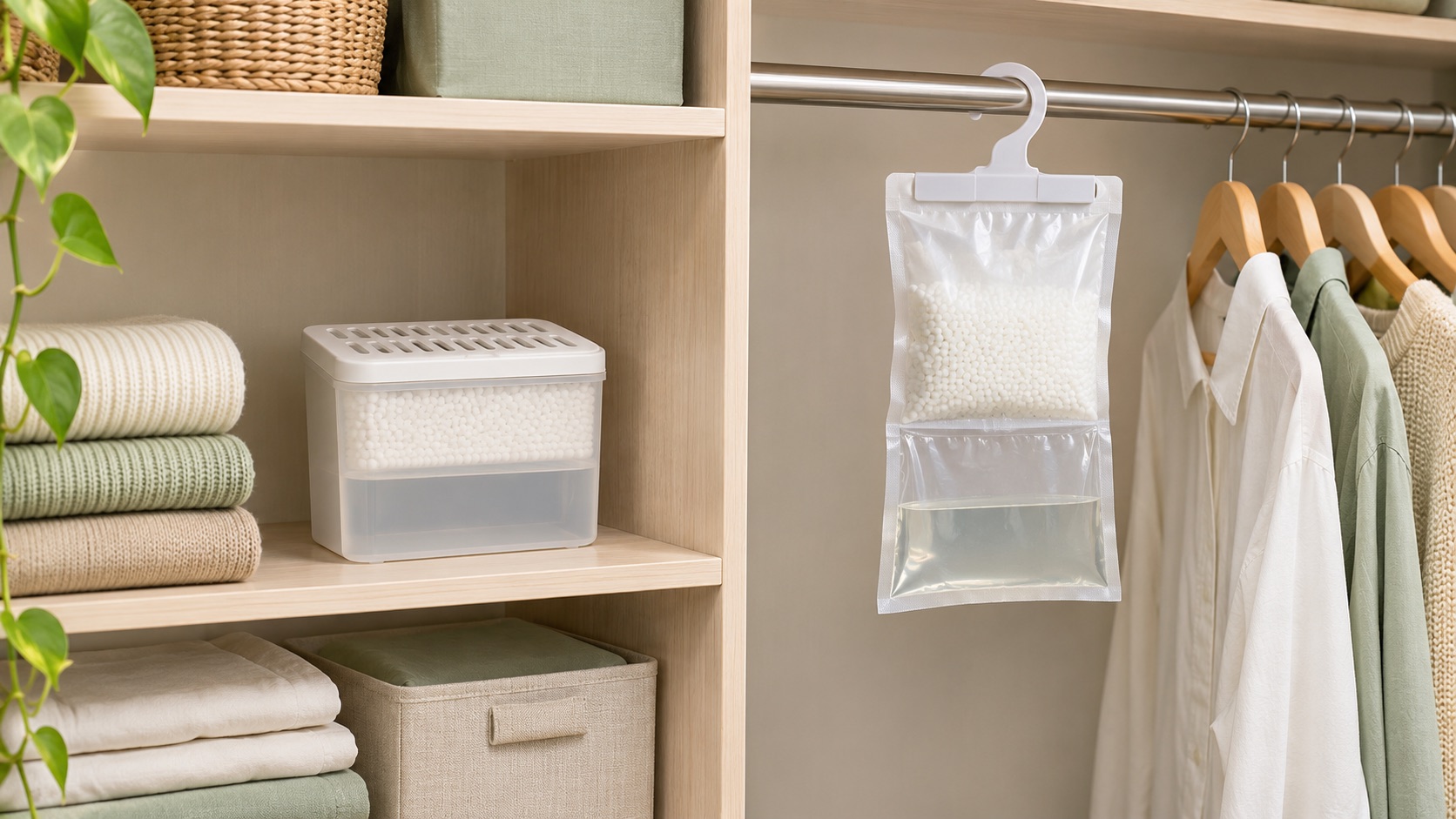
If you are dealing with mild mustiness, moisture absorbers can help while you tackle the source. They are especially useful in closets, under-sink cabinets, and any storage spot that stays shut most of the week.
Where they work best
- Closets with poor airflow
- Bathroom vanity cabinet
- Kitchen sink cabinet
- Entry closet where shoes live
What to use
- Damp-rid style calcium chloride tubs for persistent closet dampness
- Silica gel canisters for smaller enclosed spaces
- Baking soda for odor support (better for smell than moisture)
Safety note: Calcium chloride tubs can spill and the liquid can damage surfaces. Keep them level, and away from kids and pets.
Important: If the absorber fills up quickly, treat that as a clue. Your space is genuinely humid, or there is an active moisture issue that needs a bigger fix.
Fix #4 (30 minutes): Lower humidity
If your apartment consistently smells musty, humidity is often the engine behind it. Smaller homes have less air volume, so humidity rises faster from showers, cooking, and drying clothes.
How to tell humidity is the issue
- Windows fog up often
- Bathroom takes forever to dry after showers
- Closets smell “closed” even when clothes are clean
- You feel sticky indoors, even when it is not hot
What to do
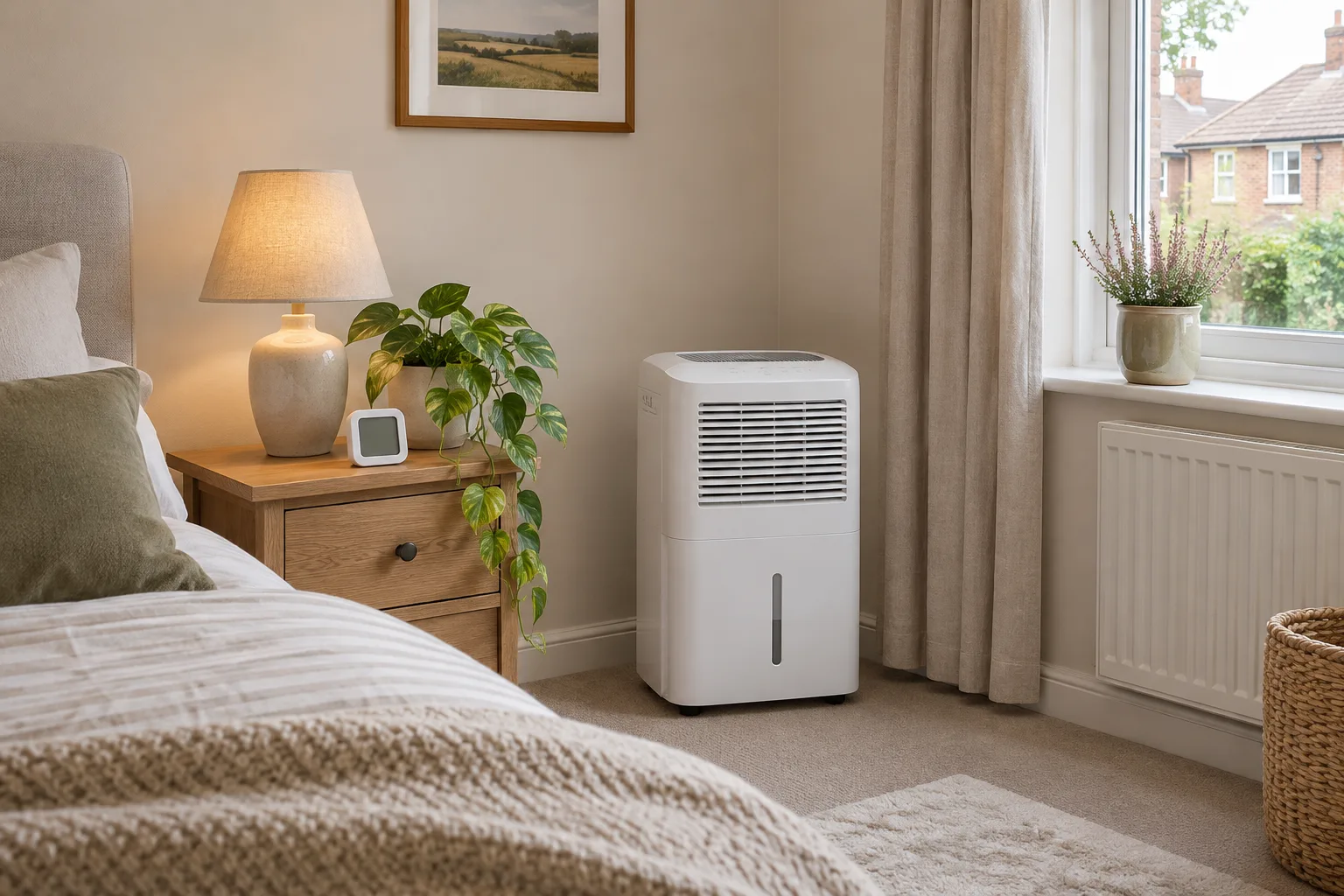
- Run a dehumidifier in the mustiest zone (often the bedroom or the closet-adjacent area). Keep doors open so air can circulate.
- If you have window AC, use the “dry” or dehumidify setting if available.
- In the bathroom, run the fan during showers and about 20 minutes after. If your fan is weak, crack the bathroom window or door to help it pull air.
Target range: Many people find mustiness improves when indoor humidity stays around 30 to 50 percent. In some climates and seasons, up to about 60 percent can be more realistic. If 30 percent makes your place feel uncomfortably dry, aiming closer to the mid-40s is a nice balance.
Fix #5 (20 minutes): Clean odor hotspots
If the smell seems to live in the bathroom or kitchen even after you ventilate, you might be dealing with a thin film of mildew or gunk that keeps re-scenting the air.
Bathroom spots to hit
- Shower curtain liner: If it has any mildew dots, wash or replace it.
- Grout and caulk lines: Clean visible mildew and rinse well.
- Exhaust fan cover: Dust and grime can hold moisture. Turn the fan off, then wipe the cover.
Kitchen and laundry spots to check
- Sink drain and garbage disposal: Clean the drain area and run the disposal with plenty of water.
- Trash can: Wash the can itself if the bag leaked even once.
- Washer gasket (front load): Wipe the rubber seal and leave the door open between loads.
Maya tip: If you clean one thing today, make it the shower liner or the sink drain. Those two can make a whole apartment smell “mysteriously” damp.
Fix #6 (1 to 2 hours): Refresh textiles
This is the step most people skip because it feels unrelated, but soft surfaces are basically odor sponges. In tiny apartments, you are always close to them, so you smell them constantly.
Focus on the big odor holders
- Throw blankets and pillow covers
- Shower curtain liner (a classic hidden offender)
- Bath mats
- Rugs, especially near the bathroom or kitchen
- Window curtains that stay closed often
- Fabric sofa cushions (wash covers if removable)
My renter-friendly refresh routine
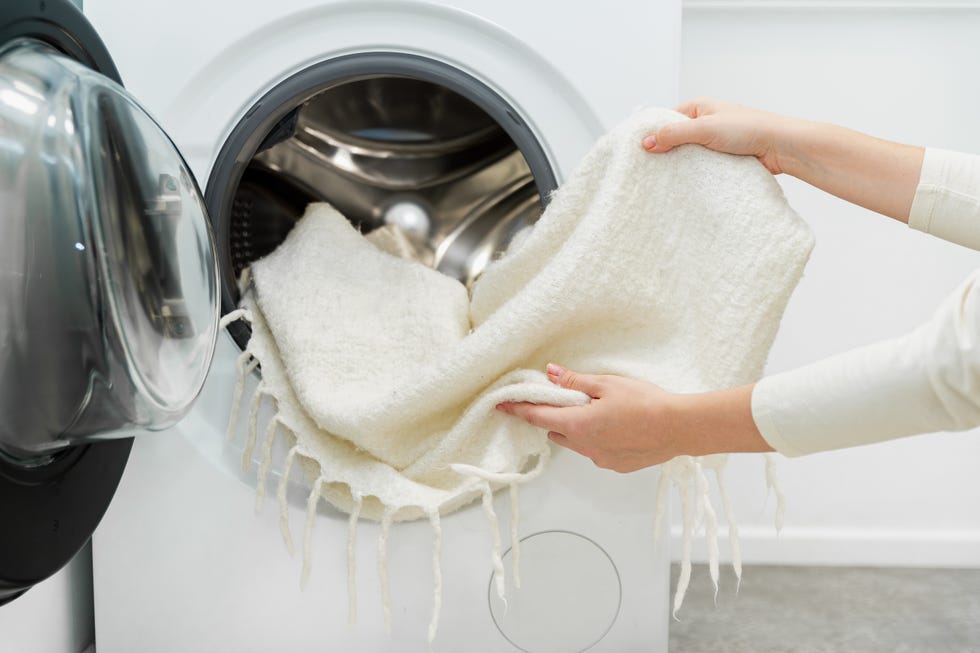
- Wash what you can in warm water and dry fully.
- For items that cannot be washed easily, vacuum thoroughly and spot-clean any suspicious areas.
- Let cushions, rugs, and bedding dry in bright sun and warmth if possible. Outdoor sunlight is strongest, but even a sunny window can help with lingering damp and odor.
If your closet smells musty, also wash anything that smells “clean but not fresh.” That faint closet odor transfers and multiplies.
Fix #7 (30 to 60 minutes): Move furniture
This one feels almost too simple, but it works, especially in older buildings or ground-floor units. When a bed or sofa is pressed tight against an exterior wall, you can trap cooler air and moisture behind it. That is prime territory for a musty smell.
What to try
- Pull large furniture 2 to 4 inches away from exterior walls, especially behind the bed.
- Open up any blocked vents and keep a small airflow path around them.
- Check behind pieces for condensation, damp drywall, or a mildew smell.
Maya tip: If you are short on space and hate “wasting” inches, focus on the bed first. Bedrooms often run cooler at night, and we add a lot of moisture through breathing while we sleep. That combo can make the wall behind the headboard smell funky fast.

When it is a landlord problem
Sometimes musty is not about lifestyle or ventilation. It is about water where water should not be. You cannot out-clean a leak.
Contact your landlord or property manager if you notice
- Visible mold spots that return after cleaning
- Bubbling or peeling paint, warped baseboards, or soft drywall
- Water stains on ceilings or walls, even if they feel dry
- A persistent damp smell localized to one wall, corner, or closet
- Wet carpet or flooring that feels spongy
- Plumbing cabinet dampness or standing water under the sink
If you suspect a leak, take photos, note dates, and report it promptly. Also, do not disturb large areas of suspected mold. If it is more than a small patch, follow local guidance and let building management handle evaluation and remediation.
Quick reset checklist
- Cross-ventilate for 10 minutes with doors open
- Remove damp towels, mats, and laundry from piles
- Clean one odor hotspot (shower liner or sink drain)
- Place moisture absorbers in closets and under sinks
- Lower humidity with a dehumidifier or AC
- Wash or refresh rugs, curtains, and soft goods
- Pull bed and sofa slightly away from exterior walls
If you try the first three fixes and nothing changes within a couple days, jump to humidity control and furniture placement. Musty smells love hidden, stagnant pockets, and small apartments have more of those than we think.