Beat fleas with a practical, room-by-room approach: pets first, then floors, fabrics, and prevention. Includes timelines, product options, and renter-friendl...
Space Ovo
How to Get Rid of Ants in the Kitchen
Stop kitchen ants by finding the trail, cleaning away scent paths, using bait instead of sprays, sealing entry points, and fixing food and water sources. Renter-safe tips included.

Maya Brooks
Maya Brooks is an interior stylist and layout enthusiast who believes square footage should never dictate your home's style. After a decade of navigating cramped city studios, she shares practical, renter-friendly decorating and storage solutions to help others maximize their tiny spaces.
I learned this in a 350-square-foot Brooklyn studio where my “kitchen” was basically a counter, a mini fridge, and vibes: ants do not care how cute your space is. They care about one thing only, an efficient route between their nest and your crumbs.
The good news is you can usually fix a kitchen ant problem without turning your home into a chemical fog machine. The key is to think like an ant: follow the trail, break the scent map, and let bait do the heavy lifting.
First, confirm what you are dealing with
Most kitchen invaders are small, common household ants that forage for sweets, grease, and water. People often call them “sugar ants,” but that label can mean different species depending on where you live. You do not need a biology degree, but you do need to notice their pattern.
Quick ID clues you can spot without tools
- A clear line of ants: Usually a foraging trail, which is great because it’s traceable.
- They show up at the same time daily: Common when they are running a reliable route to a food source.
- They swarm pet bowls or sink edges: That points to water as much as food.
- One ant here, one ant there: Often scouts. This is the easiest stage to stop if you act fast.
If you see winged ants indoors, it can be a sign of a nearby colony, but it can also be seasonal swarmers coming in from outside or from another unit. What gets my attention is repeat appearances in the same spot, or little piles of shed wings at windowsills.
Quick safety note: People often confuse winged ants with termites. If the insect has straight antennae and two pairs of equal-length wings (or you find lots of matching discarded wings), treat that as a “call a pro” moment.
Step 1: Follow the trail to the source
Before you clean anything, take two minutes to observe. Ants are basically tiny commuters. They often lead you to:
- The food source: a sticky spot, trash can drips, a fruit bowl, a sugar spill, a recycling bin, a forgotten dish in the sink
- The entry point: a crack in trim, a gap under the baseboard, a hole under the sink where pipes come in, a window track
My tiny-space trick
Place a small dab of something tempting (a grain of sugar or a dot of honey) near where you first saw them, then watch where they go. Once you know their highway, you can place bait in the right spot instead of guessing.
When you are done observing, wipe up the test snack. The goal is information, not a free buffet.
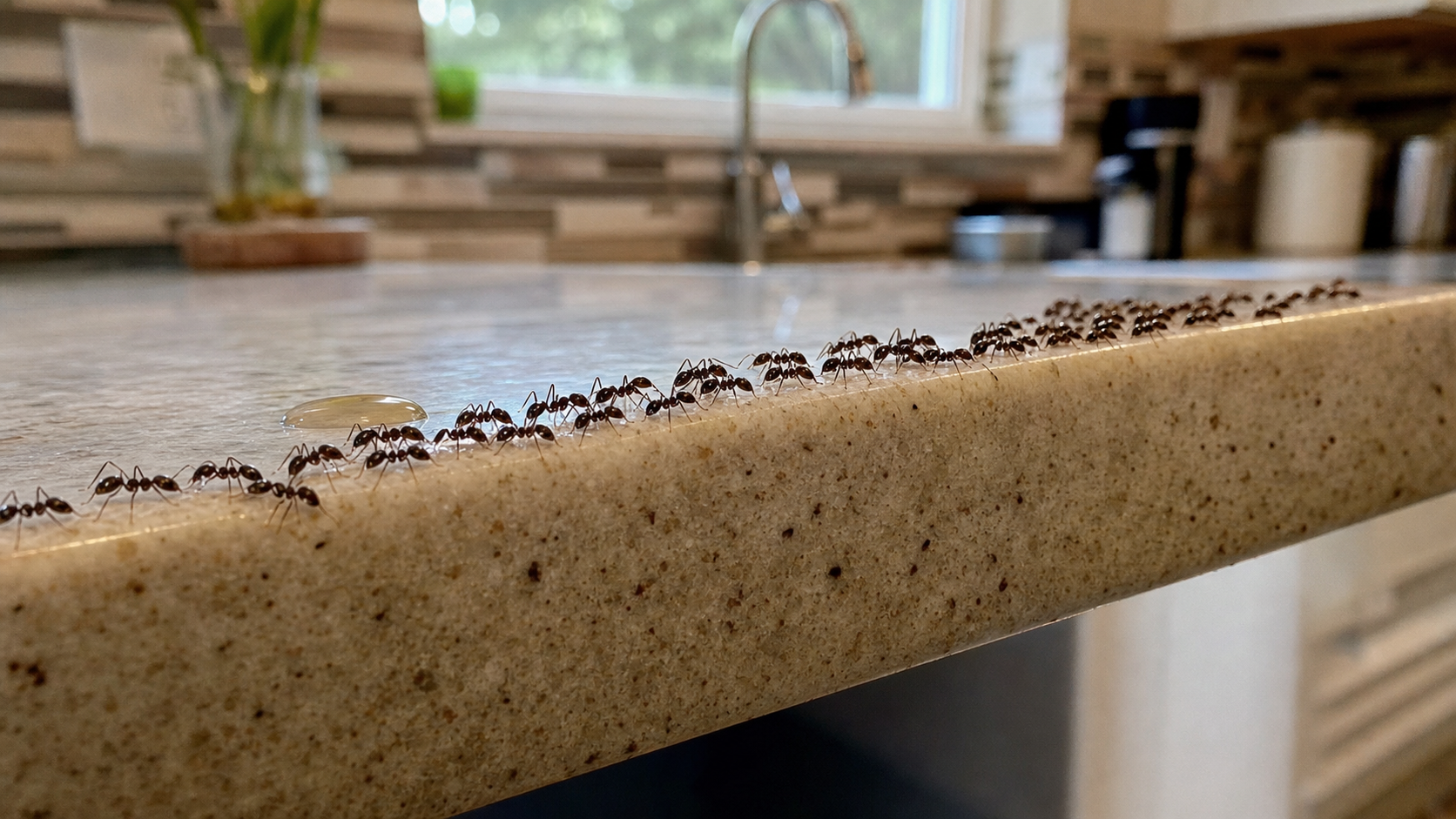
Step 2: Clean away the scent trail
Ants navigate using pheromone trails. If you only kill the ants you see, the next shift simply follows the same invisible directions to your kitchen.
What to clean with
- Dish soap and warm water: Great first pass for grease and food residue.
- White vinegar and water (about 1:1): Helps break scent trails on many surfaces. The smell fades quickly.
- All-purpose cleaner: Fine for most counters, floors, and baseboards. If you are baiting nearby, I lean toward mild or unscented cleaners so you do not accidentally discourage foraging.
Where to clean
- Counter edges and backsplash seams
- Baseboards where the ants march
- Under small appliances (toaster, coffee maker)
- Inside the trash cabinet and around the can rim
- Sink edges and the area behind the faucet
Surface note: If you have natural stone (like marble), avoid straight vinegar on it because acid can dull or etch the finish. Use mild soap and water or a stone-safe cleaner instead.
Step 3: Use bait, not spray
Sprays can feel satisfying, but they often backfire. You kill visible ants, but the colony stays healthy.
Also, repellent sprays can sometimes cause certain species (notably Argentine ants and pharaoh ants) to “bud,” meaning the colony splits and creates more nests nearby. That is the opposite of what you want in an apartment building.
Bait is slower, and that is the point. Foragers carry it back and share it, which targets the colony.
What kind of bait to buy
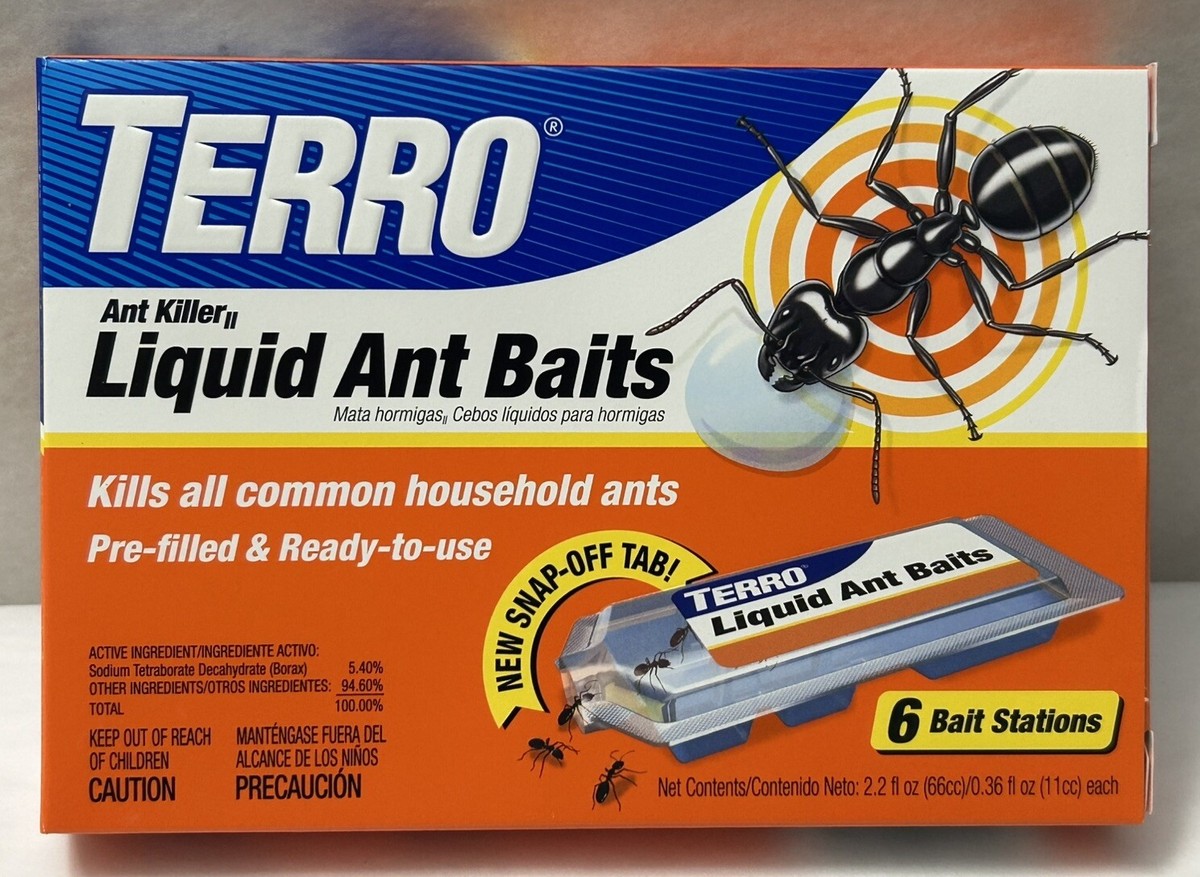
- Sweet baits (often borax-based liquids or gels): Best if ants are after sugar, fruit, syrups, coffee sweeteners.
- Protein or grease baits: Better if they are in the trash, around the stove, or near cooking splatters.
If you are unsure, start with a sweet liquid bait. If activity does not drop after a few days, switch to a protein-based option. It is also normal for ant preferences to shift with season and colony needs, so rotating bait types is not “failing,” it is troubleshooting.
How to place bait correctly
- Put bait directly on the trail or right next to it, not in the middle of the room.
- Use several small placements rather than one big one. Think “multiple exits,” not “one dining hall.”
- Keep cleaners away from the bait zone once it is placed. You want them to keep coming.
- Expect more ants at first: Increased traffic is normal because the bait is working like a beacon.
What not to do
- Do not kill the ants going to the bait. I know. But let them take it home.
- Do not move the bait every hour. Give it time, usually several days.
- Do not set bait where kids or pets can access it. Use tamper-resistant stations when needed and follow the product label.
- Do not caulk over an active emergence point yet. Bait first, then seal once traffic drops, otherwise you risk diverting them to a new route in your kitchen.
Step 4: Fix food and water fast
In a tiny kitchen, the “ant buffet” is usually a handful of repeat offenders. The goal is to remove easy calories so bait becomes the most appealing option.
Fast kitchen fixes that make a big difference
- Store sweets and snacks in sealed containers: cereal, granola bars, sugar, flour, pet treats.
- Move fruit to the fridge for a week or two if it’s attracting them.
- Wipe the stove front and knobs where grease mist lands.
- Rinse recycling immediately (especially cans and bottles) and let them dry.
- Take trash out nightly for a short period, or at least use a tight lid.
- Do a “sink reset” before bed: dry the basin, wring out the sponge, and wipe the drain area.
If you have a leaky faucet or a damp cabinet under the sink, that is not just a maintenance issue. It’s a water source that makes ants feel right at home.
Step 5: Seal entry points
Once you’ve got bait working, you can start closing doors behind them. In rentals, you want reversible and low-drama methods.
Common entry points in kitchens
- Gaps where plumbing pipes enter the wall under the sink
- Cracks between baseboards and flooring
- Corner seams of cabinets
- Window tracks and sliding door tracks near the kitchen
- Gaps around outlets on exterior walls
Renter-safe sealing options
- Painter’s caulk (removable/paintable): Good for small cracks along trim or baseboards. Choose a paintable latex caulk for easiest cleanup later.
- Clear silicone caulk: Better for damp spots (like around sink plumbing), but it’s more permanent and tougher to remove cleanly.
- Foam backer rod: Great for bigger gaps before caulking.
- Weatherstripping: Helpful for doors and drafty windows that double as bug entry routes.
My rule: If it’s a true repair (big gaps, missing grout, deteriorated window seals), document it and loop in your landlord or building maintenance. Sealing helps, but you should not be responsible for structural fixes.
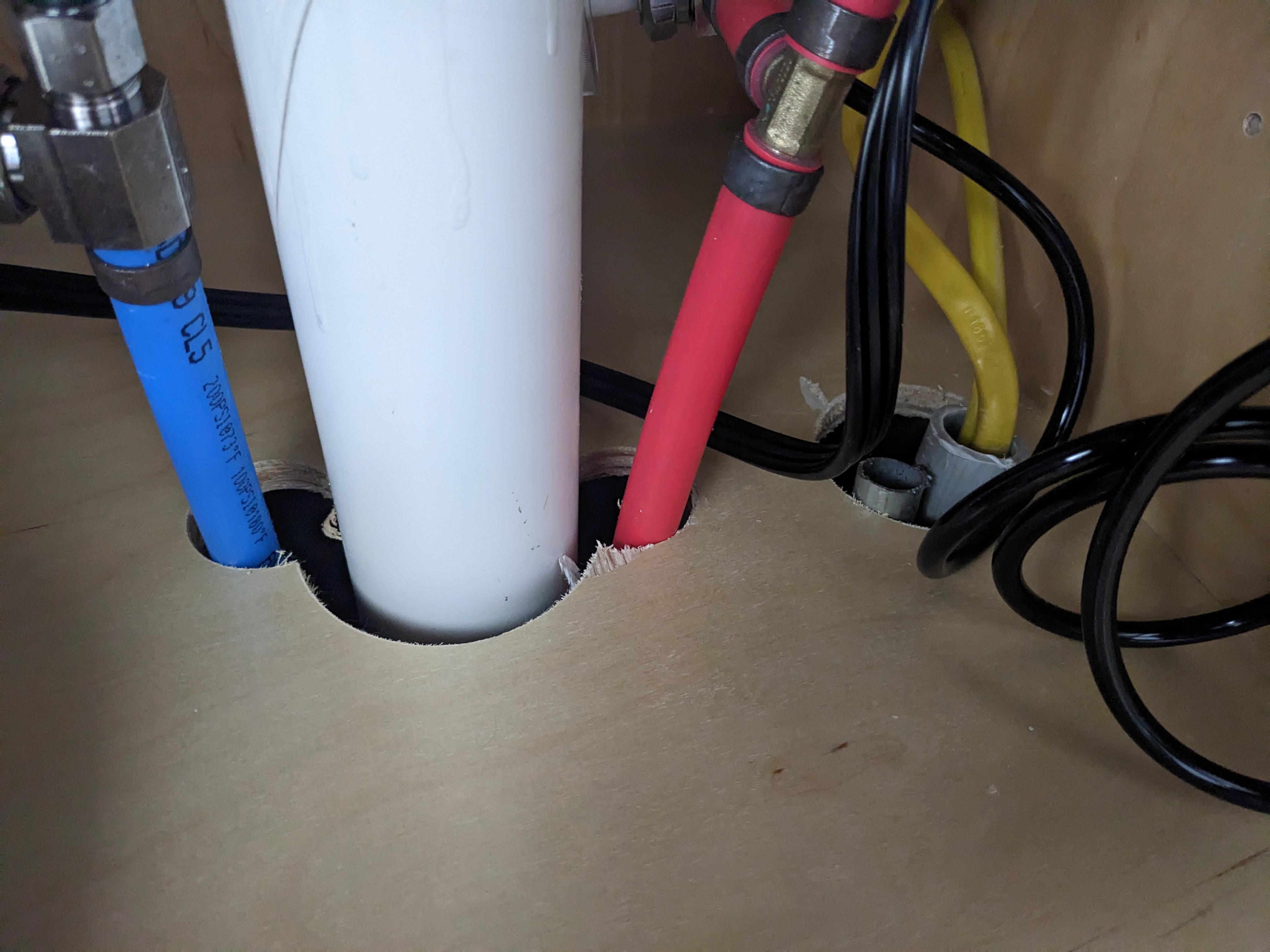
Renter-safe options
- Bait stations or gel baits: Usually the most effective, lowest-mess route for renters.
- Soap-and-water wipe downs: Breaks trails and removes food residue without damaging finishes.
- Vacuuming visible ants: A quick clean-up method when you need your counter back immediately. Empty the canister or bag right away.
- Sealing with paintable caulk: Helps prevent repeat traffic with minimal risk.
I generally skip heavy indoor sprays in small kitchens. In tight square footage, overspray and lingering odor become their own problem fast.
When to worry
- Possible termites: Winged insects with straight antennae, equal-length wings, or lots of discarded wings near windows. Call a pro.
- Possible carpenter ants: Larger ants, especially if you also see sawdust-like frass or find them near damp wood. Loop in building management or a pest pro.
- Ants coming from outlets or wall voids: Keep bait near the emergence point and contact your landlord. Avoid spraying into outlets.
What if the nest is in the walls?
Sometimes you do everything “right” and the ants keep showing up, especially in older buildings with shared walls.
Signs the colony may be in the structure
- Ants appear from the same spot in a wall seam, outlet, or cabinet void
- You see ants even when food is locked down and counters are clean
- Trails restart quickly after cleaning, day after day
What to do
Keep baiting near the emergence point and contact your landlord or property manager. If the nest is in the wall or coming from another unit, building-wide treatment may be necessary. A professional can also identify the species and use targeted baits that are not typically available at retail.
How long does it take?
With properly placed bait and trail cleaning, you typically see improvement within a few days. Full control often takes 1 to 2 weeks, but some species and situations (large colonies, multiple entry points, nests in walls, or building-wide issues) can take longer.
If you are still seeing heavy traffic after two weeks of consistent baiting and basic sealing, it’s time to escalate to building management or a pest pro.
Quick troubleshooting
They ignore the bait
- Try a different type (sweet vs protein). Preferences can change.
- Move the bait closer to the trail.
- Remove competing food sources (especially trash and recycling).
- Wash your hands before handling bait stations if you have been using strong cleaners, so you do not accidentally make the bait less appealing.
They come back after a week
- You likely broke the trail but did not seal the entry point. Re-check under the sink, along baseboards, and around windows.
- Refresh bait. Old bait dries out and becomes less attractive.
I keep finding ants in the sink
- Dry the sink overnight and fix drips.
- Clean the drain rim and overflow area if your sink has one.
- Place bait along the baseboard nearest the sink cabinet, not inside the sink.
My 15-minute reset
- Wipe counters, backsplash seam, and stove front with soapy water
- Clean the ant trail with an appropriate cleaner for your surface
- Rinse recycling and take out trash
- Move sweets into sealed containers
- Dry sink and wring out sponge
- Place bait stations on the trail and leave them alone
- Make a note of entry points to caulk once activity drops
In small spaces, the win is not perfection. It’s systems. Break the scent trail, make bait the best option, and close the gaps they’re using to commute into your kitchen. Your counters can go back to being for cooking, not hosting an ant parade.