Renter-friendly noise reduction that actually works: curtains, rugs, door sweeps, bookcases, outlet gaskets, and removable acoustic panels ranked by cost, ef...
Space Ovo
Drafty Apartment Windows and Doors? 6 Renter-Friendly Fixes to Try First
Cold air sneaking in around your windows or door? Find the leak with a simple incense or paper test, then try these 6 removable, renter-friendly draft fixes before you call your landlord.

Maya Brooks
Maya Brooks is an interior stylist and layout enthusiast who believes square footage should never dictate your home's style. After a decade of navigating cramped city studios, she shares practical, renter-friendly decorating and storage solutions to help others maximize their tiny spaces.
I have lived in enough "charming" old apartments to know that a draft is rarely just a draft. It's a full personality trait. One corner of the living room feels like a walk-in freezer, the heat runs nonstop, and you start dressing your couch in blankets like it's the one paying the utility bill.
The good news: you can fix a lot of window and door leaks with renter-friendly materials that come off cleanly at move-out. The trick is figuring out where the air is actually getting in, then choosing the least annoying solution that still works.
Find the leak first (2 quick tests)
Before you buy anything, do a three-minute investigation. Drafts love to travel, so the spot that feels cold isn't always the spot that's leaking.
Test 1: Incense or candle smoke (best for tiny gaps)
- Close the window or door fully and turn off fans (bath fan, range hood, air purifier) for a cleaner read.
- Light an incense stick, or use a candle if that's what you've got.
- Slowly move the smoke along the perimeter: top, sides, and especially the bottom corners.
- If the smoke streams sideways or flickers hard, you've found airflow.
Safety note: Keep flame away from curtains, and don't do this near gas appliances, flammable vapors (like aerosol sprays), or anywhere you suspect a gas leak. If you're not comfortable with flame, use the paper test.
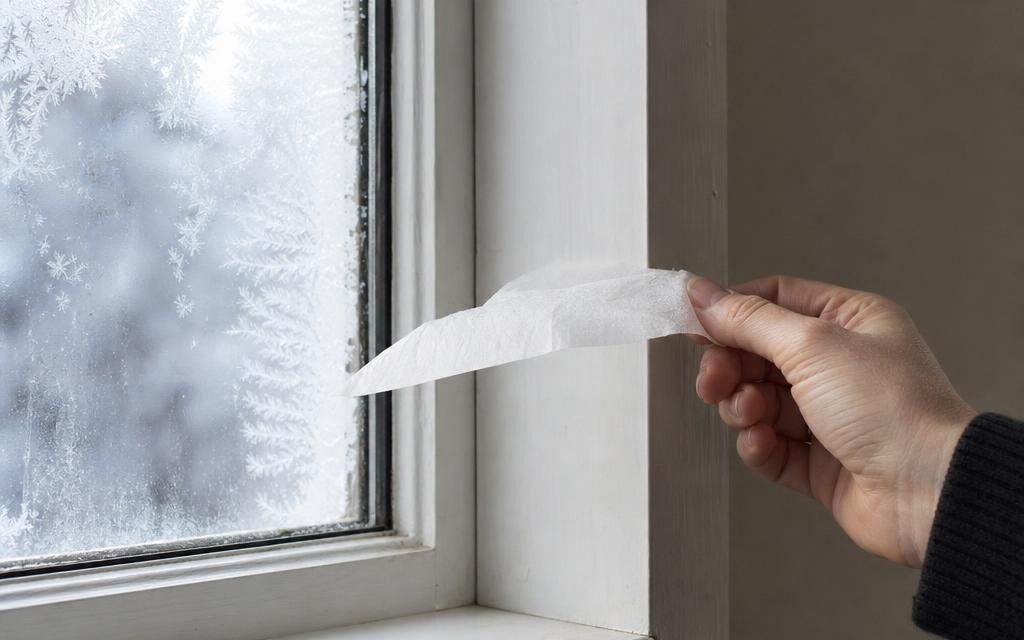
Test 2: Tissue or receipt paper (no flame, surprisingly sensitive)
- Hold a tissue, a strip of toilet paper, or a thin receipt near the frame and sill.
- Move inch by inch around the edges.
- Watch for fluttering or pulling. It's a qualitative check, not a measurement, so repeat it a couple times if your HVAC is cycling.
Bonus door check: At night, turn on a light inside and look from the hall side (or have a roommate do it). If you see light around the door edges, air is getting through those same spots.
6 renter-friendly fixes (ranked by cost and effort)
I'm ranking these the way I actually do them in my own rentals: start with the cheapest, least permanent solution that targets the exact leak you found.
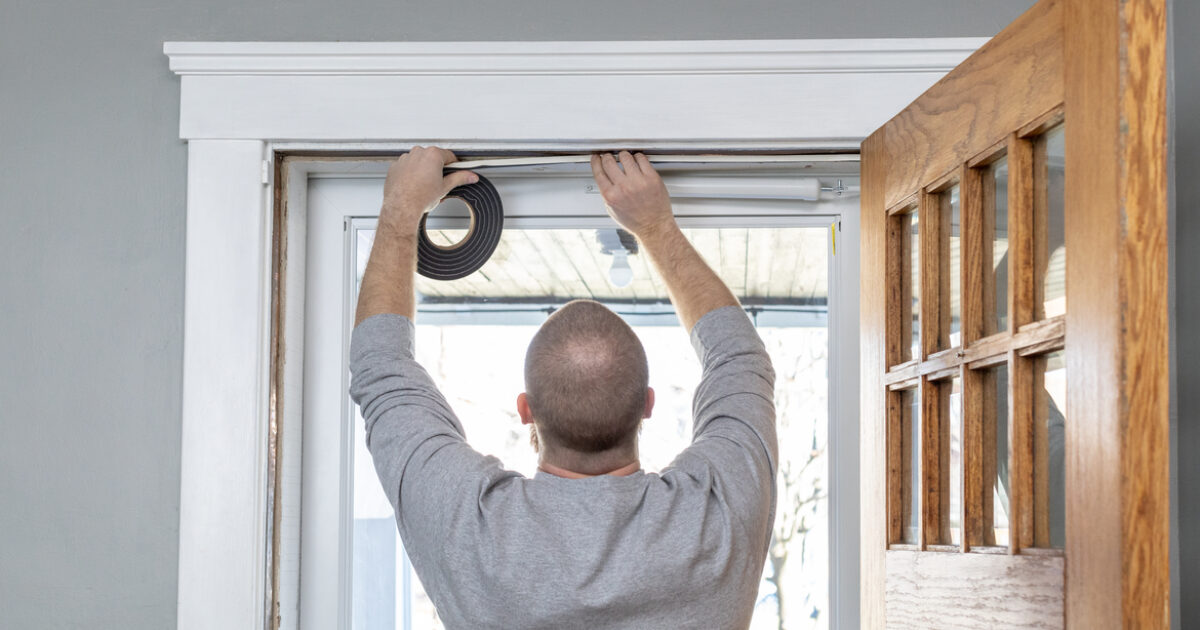
1) Adhesive weatherstripping (best bang for your buck)
Where it works: Along the sides and top of doors, and around operable window sashes where the frame meets the moving part.
What to buy: Foam tape is easiest. Rubber or silicone D-profile tends to last longer and compresses better on uneven frames.
- Cost: Low
- Effort: Low
- Comes off cleanly at move-out? Usually yes, if you remove it slowly. Adhesive residue can happen on old paint.
My install tip: Clean first with rubbing alcohol and let it dry. If the room is freezing, warm the tape and the surface a bit (hair dryer on low works) so the adhesive actually sticks. Measure twice, then cut. If you use weatherstripping that's too thick, the door or window won't close properly and you'll hate your life by day two.
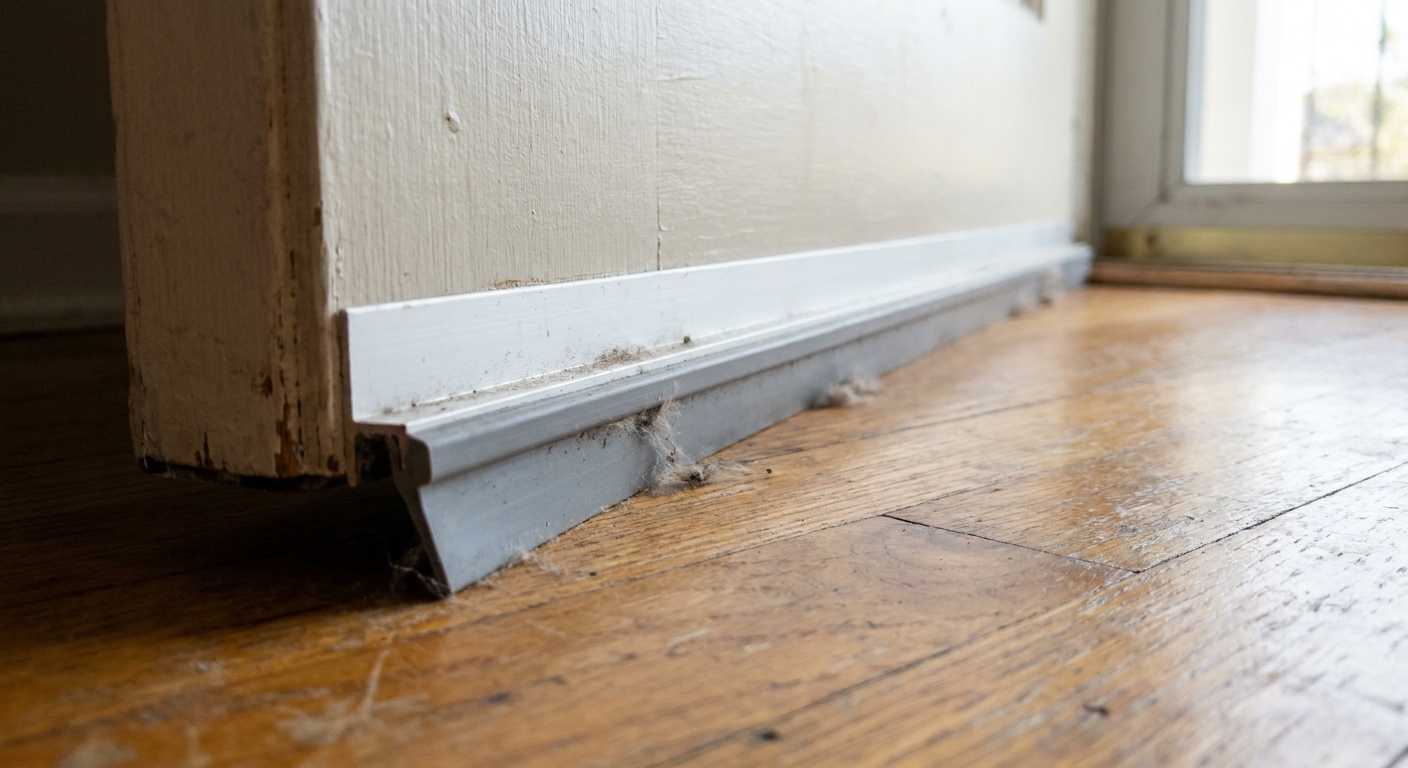
2) Door sweep (when the draft is under the door)
Where it works: The gap between the bottom of the door and the floor, especially for hallway doors with cold corridor air.
What to buy: Look for an adhesive door sweep or a slide-on sweep if you can't drill. Some sweeps are screw-in, but most renters can avoid that.
- Cost: Low to medium
- Effort: Low
- Comes off cleanly at move-out? Slide-on: yes. Adhesive: usually, with careful removal.
Stylist detail: Choose a sweep color close to your door so it disappears visually. Draft solutions don't need to scream "hardware store."
3) Draft stopper (fastest fix for doors and leaky sills)
Where it works: In front of a drafty door, at the base of a window that leaks at the sill, or wherever air pools near the floor.
What to buy: A fabric draft snake, a weighted door draft stopper, or even a tightly rolled towel in a pinch.
- Cost: Low
- Effort: Very low
- Comes off cleanly at move-out? Yes
Real talk: This doesn't seal the leak. It blocks the feeling of it. I use it as a temporary fix while I wait for weatherstripping or a sweep to arrive.
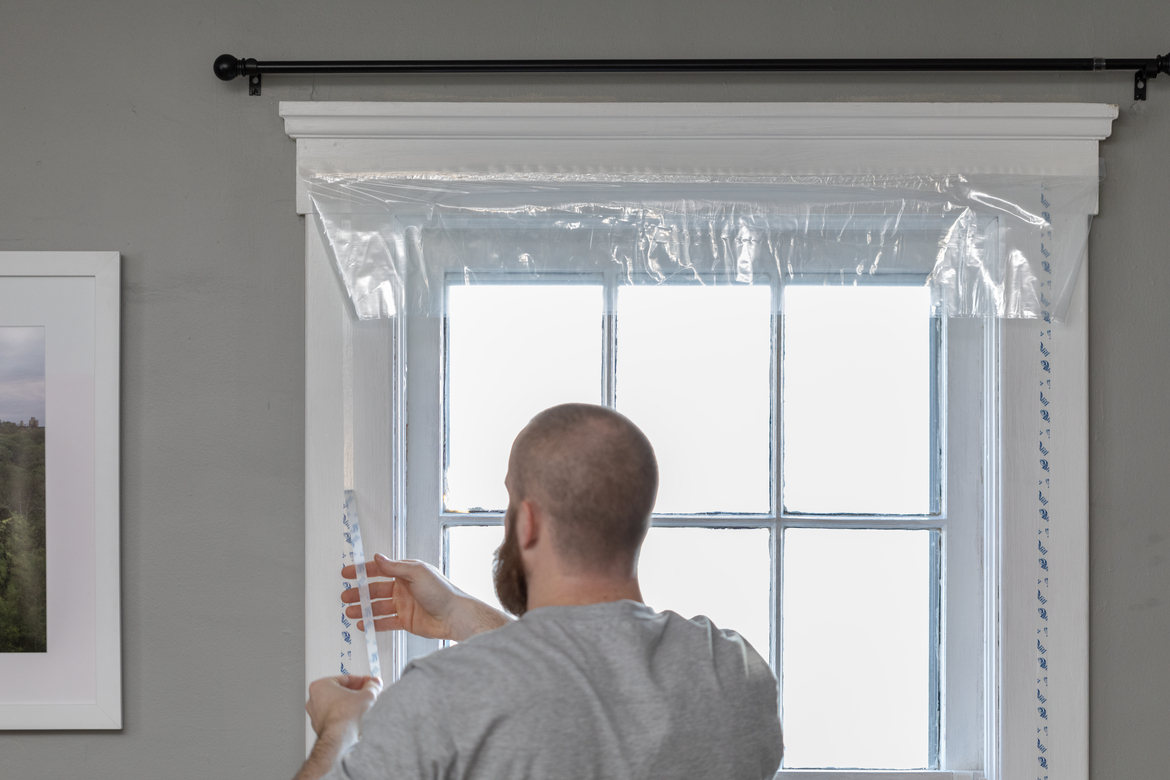
4) Window insulation film (best for old, single-pane windows)
Where it works: Drafty windows where air is sneaking through the sash, plus windows that just feel brutally cold to sit near. Film creates a tight air barrier and an extra insulating air pocket, which cuts down on air movement and helps the room feel less icy.
What to buy: A window insulation kit that uses double-sided tape and clear shrink film, tightened with a hair dryer.
- Cost: Low
- Effort: Medium
- Comes off cleanly at move-out? Often yes, but be cautious on fragile paint or stained wood trim. Test tape on a small spot first.
My tiny-apartment tip: If you're a curtain person, put film on first, then hang curtains. The film is nearly invisible once it's tight, and your curtains will look nicer because they won't flutter.
One caution: Don't film over a window you need for emergency escape, and keep an eye on condensation. If you see water building up, crack the film briefly, improve ventilation, or run a dehumidifier so you don't create a new moisture problem.
5) Thermal curtains (the cozy option that also looks good)
Where it works: Windows that radiate cold, windows you can't fully seal, or doors with glass panes. Thermal curtains help because they add an insulating layer and reduce that cold-window feeling.
What to buy: Look for "thermal" or "blackout with thermal backing." Ideally, the panels should be wide enough to overlap the window on both sides.
- Cost: Medium
- Effort: Low
- Comes off cleanly at move-out? Yes, especially if you use tension rods or removable curtain rod hooks. Screws leave holes, but those are usually easy to patch.
Make it work harder: Let the sun in during the day, then close curtains at dusk. That timing matters more than people think.

6) Rope caulk (secret weapon for weird gaps)
Where it works: Small cracks in window frames, around trim where air whistles through, and oddly shaped gaps where tape won't seal cleanly. Rope caulk is pliable, like a putty, and you press it into place.
What to buy: Non-hardening rope caulk (often sold for windows).
- Cost: Low
- Effort: Low to medium
- Comes off cleanly at move-out? Usually yes, because it's designed to be removable. Go slowly on old paint.
Where I love it most: That tiny gap at the meeting rail of an old double-hung window, or the corners where the sash never quite sits right.
Quick guide: what to use where
- Draft along the sides or top of a door: Weatherstripping.
- Cold air under the door: Door sweep, plus a draft stopper if it's still noticeable.
- Window edges feel breezy: Weatherstripping for operable parts, rope caulk for cracks.
- Window feels cold even when closed: Insulation film, then thermal curtains for comfort.
- You need something temporary today: Draft stopper now, better seal later.
Will these come off cleanly at move-out?
Most of them, yes, with one big asterisk: adhesives and old paint aren't best friends. If your trim has layers of landlord paint that flakes when you look at it, go gentler.
- Usually safest: Draft stoppers, thermal curtains, slide-on door sweeps, rope caulk.
- Usually fine but test first: Adhesive weatherstripping, adhesive door sweeps, window film tape.
Removal tip: Warm adhesive with a hair dryer on low, peel slowly, then clean residue with a small amount of rubbing alcohol on a cloth. Spot test first.
When it's a landlord repair
I love a renter-friendly fix, but some drafts are symptoms of a real building issue. These are the moments to document it and loop in maintenance.
Signs it's not just a quick seal job
- Failed window seal: Double-pane glass that looks foggy or has condensation trapped between panes. Film or curtains may help comfort, but the insulated glass unit is still failed and usually needs repair or replacement.
- Damaged frame or rotting wood: Soft, crumbling, or visibly broken window or door frames can mean water damage. Sealing over it can trap moisture.
- Door doesn't align with the frame: If the latch barely catches, you see a huge uneven gap, or the door rubs badly, the hinges or frame may need adjustment.
- Cracked glass or missing glazing: Safety issue, and usually a landlord responsibility.
- Water intrusion: Any leak during rain, bubbling paint, or wet drywall around a window needs repair, not more tape.
- Moldy or musty smell near the leak: Another sign moisture is involved.
How to report it: Take a short video of the tissue test showing airflow, plus a clear photo of the gap or damage. Keep your note factual: where it is, what you observed, and how it impacts heating and comfort.
My tiny-space order of operations
If you want the simplest plan, here's the sequence I use in basically every drafty rental I've ever lived in:
- Test for leaks with tissue or incense.
- Seal moving parts with weatherstripping.
- Block the bottom of doors with a sweep.
- Add window film on the worst offender windows (but keep a safe exit route).
- Finish with thermal curtains for comfort and style.
- Call the landlord if you see frame damage, moisture, or a failed window seal.
Drafts make a small apartment feel smaller, because you stop using the cold corners. Once you cut the airflow, the whole place relaxes. Your heat runs less, your bed feels cozier, and suddenly that "cozy" square footage feels like it's actually working for you.