Musty apartment air is usually moisture plus nowhere for it to go. Here are renter-friendly fixes, from fast ventilation to cleaning odor hotspots and contro...
Space Ovo
How to Fix a Sewer Smell in Your Bathroom
Sewer smell in the bathroom is often a dry drain trap, biofilm buildup, a bad wax ring, or a venting issue. Here’s a step-by-step checklist to find the source and fix it fast, renter-friendly when possible.

Maya Brooks
Maya Brooks is an interior stylist and layout enthusiast who believes square footage should never dictate your home's style. After a decade of navigating cramped city studios, she shares practical, renter-friendly decorating and storage solutions to help others maximize their tiny spaces.
I have lived in enough “cozy” rentals to know this truth: nothing makes a tiny bathroom feel smaller faster than a sewer smell. In 350 square feet, you cannot exactly shut a door and pretend it is not happening. The good news is that most bathroom sewer odors come from a handful of very fixable issues, and you can usually narrow it down in under an hour.
This guide walks you through the most common causes in the order I check them, starting with quick, renter-friendly fixes and moving toward the situations that deserve a landlord message or a plumber.
First, make sure it is really sewer gas
“Sewer smell” is usually a rotten egg, swampy, or “stale drain” odor that gets worse near a sink, tub, shower, or toilet. A few quick tells can save you time:
- Musty, damp smell: often mildew, wet towels, or a leak behind the vanity.
- Sharp urine smell: usually around the toilet base, grout, or a missed splash zone.
- Rotten egg smell: can be sewer gas, but it can also come from drain biofilm, well water, or water heater reactions (anode rod and bacteria issues). If it is strongest near hot water, check hot-only taps.
Safety fork: If the odor smells like rotten eggs and you are near a gas appliance or gas line, treat it as a possible natural gas leak and follow your local utility guidance (leave the area and contact the appropriate emergency number). If you feel lightheaded, nauseous, or get a headache quickly, leave the room and get fresh air. Sewer gas in small amounts is often more “gross” than dangerous, but a strong smell in a small, poorly ventilated bathroom is still a safety issue. Do not white-knuckle it.
The 10-minute fix: refill dry P-traps
One of the most common causes of sewer smell in bathrooms, especially in guest baths or rarely used showers, is a dry P-trap. The P-trap is the curved section of pipe under your sink. Tubs and showers also have traps, often below the floor. Each trap holds a small amount of water that acts like a cork, blocking sewer gas from coming back up.
What to do
- Run water in the sink for about 30 to 60 seconds.
- Run the shower or tub for about 30 to 60 seconds.
- Flush the toilet once or twice.
- Check floor drains and standpipes if you have them (common in some apartment buildings and laundry closets). They have traps too, and they can dry out.
If the smell improves immediately and then comes back days later, the trap is likely evaporating because the fixture is rarely used or because airflow and venting are pulling water out of the trap.
How to prevent dry traps
- Once a week, run each drain for 10 seconds.
- For floor drains, pour in a cup of water.
- If a drain is rarely used, add 1 tablespoon of mineral oil after running water. It floats on top and slows evaporation. Do not use cooking oil, which can go rancid. If you are on a septic system, some homeowners prefer to minimize any oils going down drains, so keep the amount small and skip it if your septic provider advises against it.
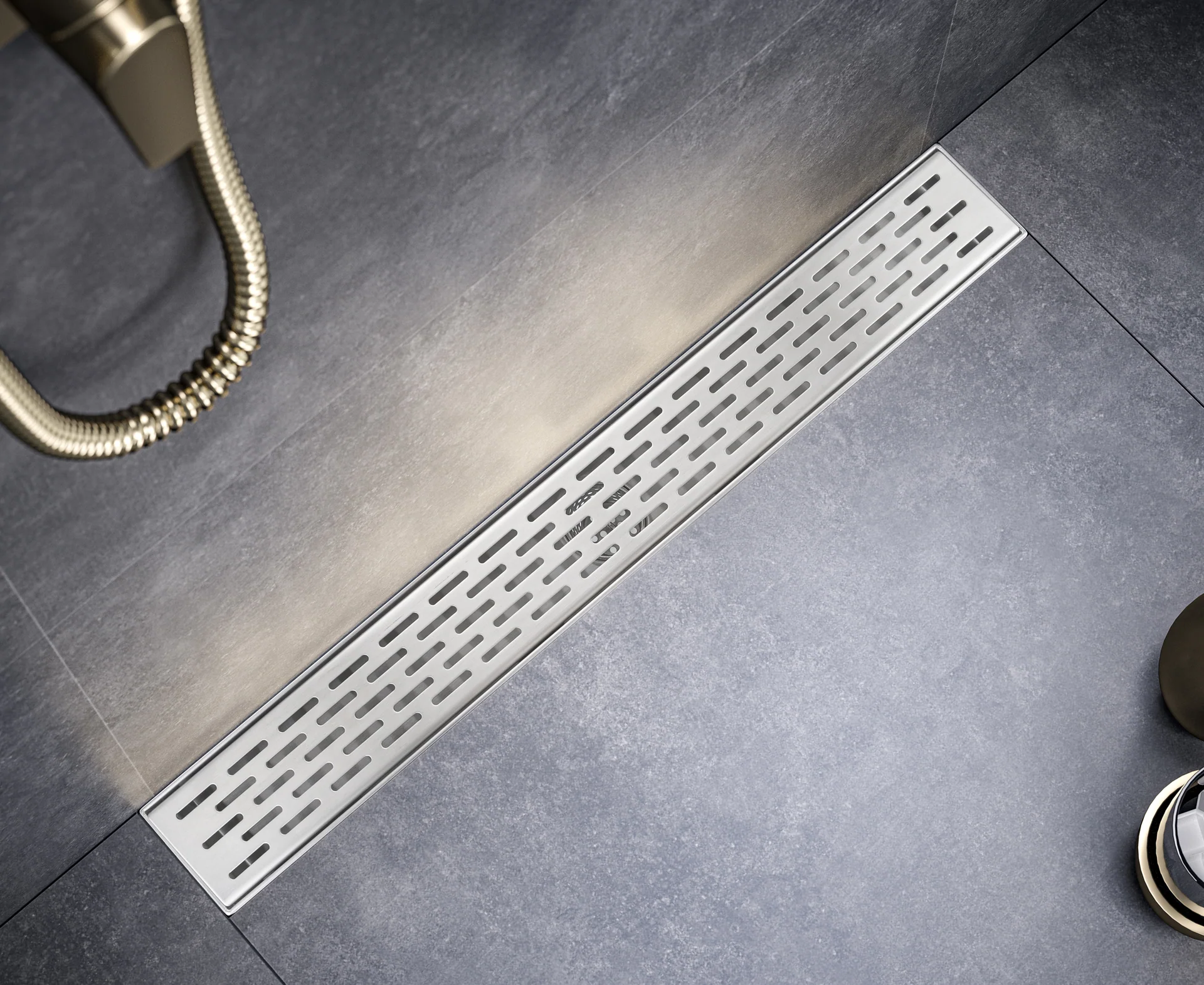
If it smells during or after running water: clean the drain and overflow
Here is a simple way to narrow it down: if running water improves the odor, you are often dealing with a dry trap. If running water makes the odor stronger during or right after, you might be smelling biofilm, basically gunk that builds up in the drain and overflow channel and can mimic sewer odor.
Sink drain quick clean
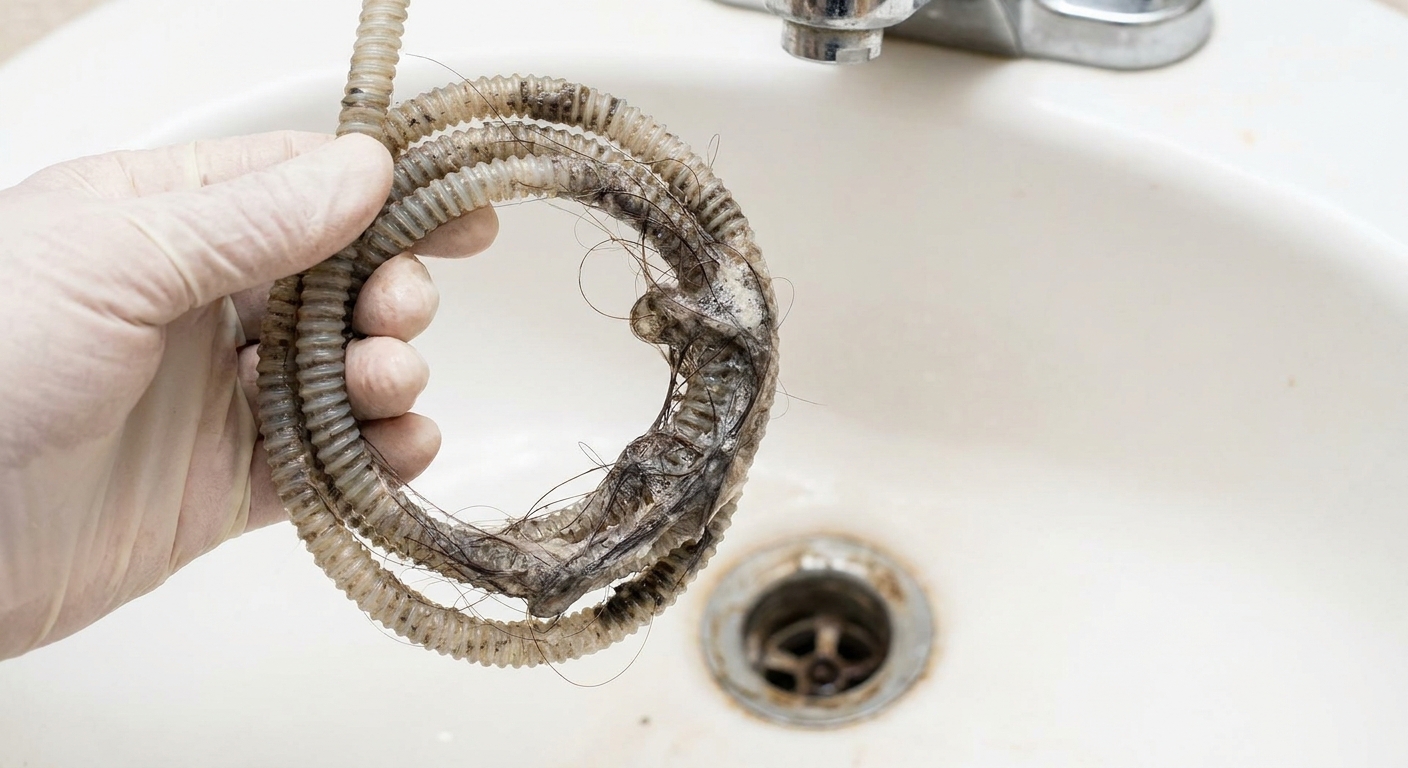
- Remove the stopper if possible and pull out hair and debris (a plastic drain snake is perfect for this).
- Scrub the visible drain area with a bottle brush or an old toothbrush and dish soap.
- Rinse with hot tap water.
Shower and tub drain plus overflow
- Pull hair from the drain (gloves recommended, sadly).
- Take off the overflow plate if accessible and gently wipe inside the opening. Hair and soap scum love to live there.
- Rinse with warm water.
A note on very hot water: In many rentals, drain lines are PVC. Very hot water can soften PVC and stress older joints, especially if you dump a full kettle at once. Hot tap water is usually plenty for rinsing after scrubbing.
Skip harsh drain cleaners as your first move. They can damage older plumbing, and if you end up needing a plumber, chemicals in the line make the job more dangerous. Mechanical removal and soap-and-water scrubbing get you surprisingly far.
Check the toilet: wax ring issues
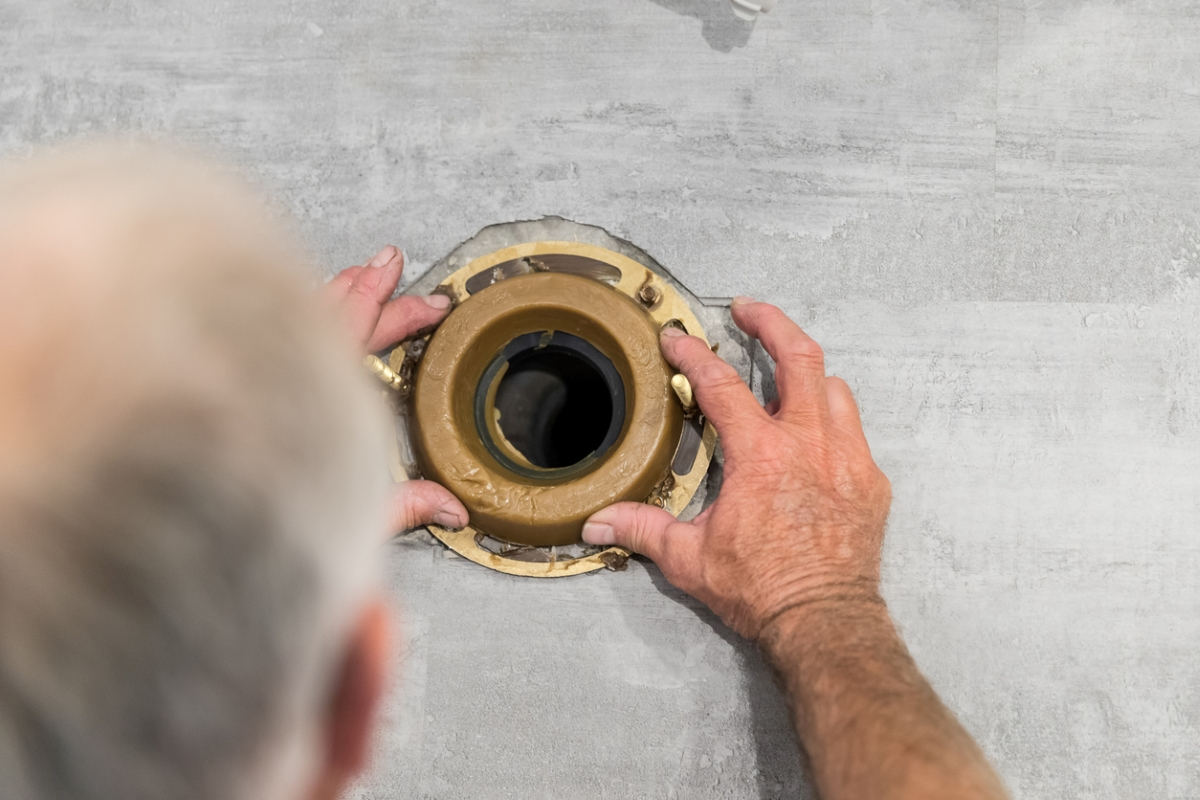
If the smell is strongest around the base of the toilet, or you notice it more when the fan is running, a failing wax ring (the seal between the toilet and the drain) is high on the list.
Signs your wax ring may be leaking sewer gas
- Sewer smell localized at the toilet base
- Toilet rocks slightly when you sit or push gently
- Water seeping at the base (not always present)
- Odor that worsens after flushing
What you can do right now
- Do not keep flushing if there is water at the base.
- Tighten the toilet’s closet bolts gently if the toilet is loose. Do not over-tighten. Porcelain can crack.
- If you rent, this is typically a landlord maintenance item. Replacing a wax ring requires removing the toilet.
If you are a homeowner and comfortable with basic DIY, a wax ring replacement is doable, but it is heavy-lifting-plus-leak-risk. In a small bathroom, I tend to call a plumber unless I have space to work cleanly and safely.
Also check the toilet bowl and tank
Sometimes what people call “sewer smell” is actually a toilet that needs a deeper clean. Under-rim buildup, a dirty tank, or lingering splash residue can create a stale, sour odor that drifts through a small bathroom.
- Clean under the rim with a toilet brush and cleaner, and hit the hinge area of the seat too.
- If you are comfortable, lift the tank lid and check for mildew or a musty smell. Do not drop anything in the tank, and do not use in-tank tablets in older toilets unless you are sure they are safe for your seals.
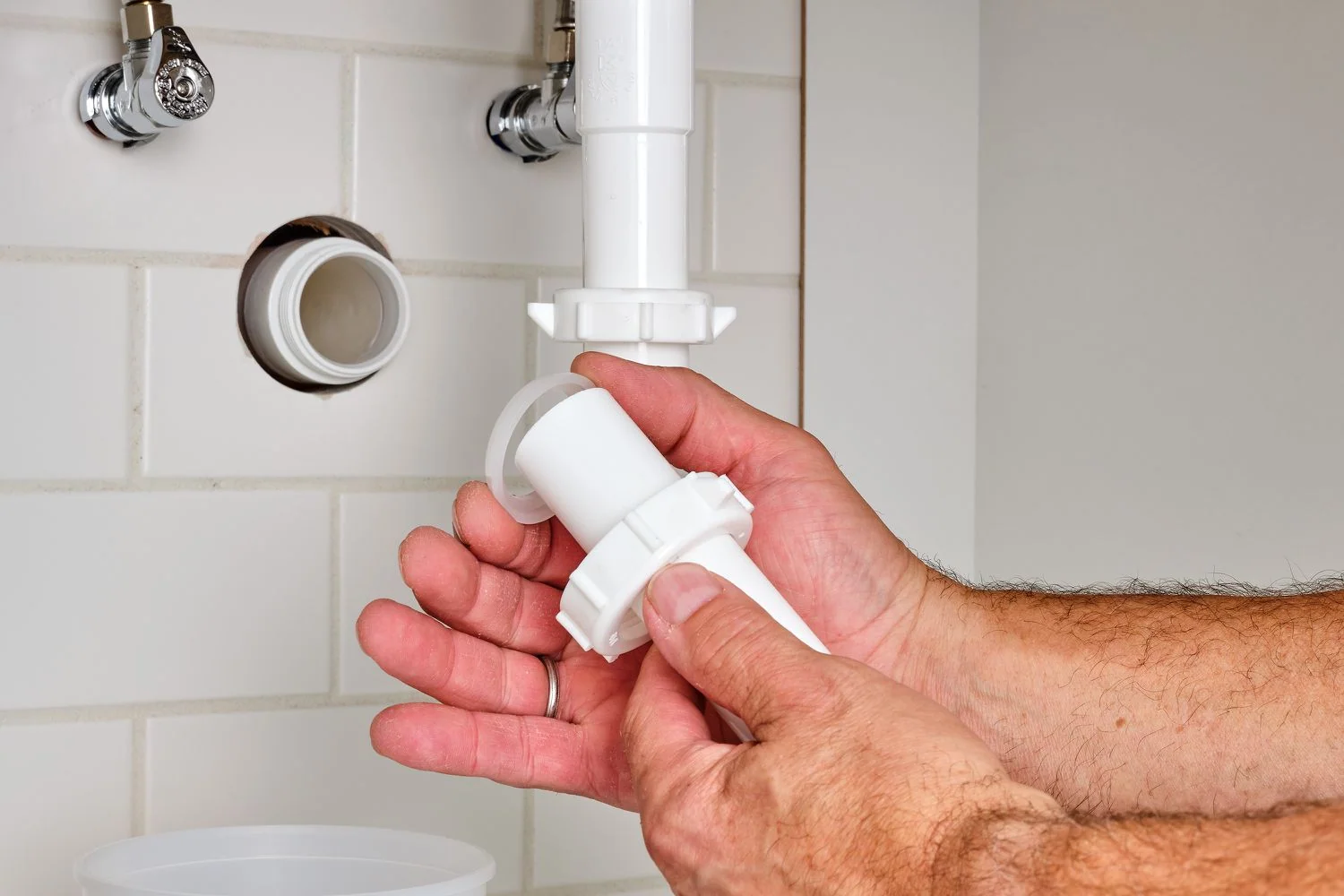
Look under the sink: loose slip nuts and tiny leaks
In tiny bathrooms, vanity cabinets are basically smell amplifiers. They are enclosed, they concentrate odor, and the materials can hold moisture. A loose connection under the sink can let sewer gas escape, and a small leak can feed mildew that smells similar.
Quick inspection checklist
- Turn on your phone flashlight and look at the P-trap and connections.
- Check for moisture, drips, or crusty residue around slip nuts.
- Smell near the pipe joints. If it is strongest there, you likely found the zone.
What to do
- Place a dry paper towel under each joint and run the faucet for a minute. Any drip will show.
- If a slip nut is loose, you can often tighten it by hand a quarter turn. If you use pliers, go gently.
If you see a cracked trap or a corroded metal pipe, that is a replacement job.
Do you have a venting issue?
Bathroom plumbing needs venting to keep air pressure balanced. If venting is blocked or poorly designed, it can siphon water out of the P-trap, which breaks the seal and lets odors in.
Clues it might be vent-related
- You refill the trap and the smell returns quickly
- You hear gurgling in the sink or tub when you flush the toilet
- Water in the toilet bowl seems to drop slightly over time
- The smell gets worse on windy days or after heavy rain
What you can do as a renter
- Document the pattern: when it happens, which fixture gurgles, and how fast the smell returns after you run water.
- Ask maintenance to check the roof vent stack for blockage (leaves, debris, nests, snow).
Venting fixes are not usually a DIY job inside an apartment. Your best move is a clear report plus the basic troubleshooting you already tried.
Less common: drain line or flange problems
If you have tried traps, drain cleaning, and the toilet area checks out, the smell could be coming from a deeper issue like a cracked drain pipe, a failing toilet flange, or a partial clog causing gases to push back.
Call a pro if you notice any of these
- Odor plus slow drains in multiple fixtures
- Water backing up in the tub when you flush
- Recurring clogs
- Wet spots on walls, ceilings, or flooring near the bathroom
In apartments, this becomes a building maintenance issue quickly. Keep your notes short and practical: “Sewer odor persists after refilling traps and cleaning drains. Smell strongest at X. Gurgling occurs when Y. Please inspect venting and toilet seal.”
Deodorize while you troubleshoot
I love a pretty candle as much as anyone, but with sewer smells, covering it is not the goal. You want to reduce odor while you fix the source.
- Ventilate: run the fan and crack a window if you have one.
- Clean the surfaces that hold smell: wipe the toilet base, the floor around it, and the vanity cabinet interior.
- Use an enzyme cleaner on drains if the issue seems like organic buildup rather than a plumbing seal. Follow the product instructions and give it time to work overnight.
Bathroom sewer smell checklist
- Run water in every drain, including floor drains, and flush the toilet
- Note whether odor improves (dry trap) or worsens during use (biofilm)
- Clean sink stopper, shower drain, and tub overflow
- Check toilet base for wobble, odor, or moisture
- Clean under the toilet rim and check for stale buildup odors
- Inspect under-sink P-trap connections for leaks or odor
- Listen for gurgling and note fast-return smells (possible venting)
- Escalate if multiple drains are slow or there is any backup
FAQ
Why does my bathroom smell like sewage at night or in the morning?
Overnight, water in rarely used traps can evaporate, and pressure changes (wind, HVAC, temperature shifts) can make odors more noticeable. Refill drains first. If it returns quickly and you hear gurgling, venting is a strong suspect.
Can a bathroom smell like sewage even if nothing is clogged?
Yes. A dry P-trap, a failing wax ring, or a vent issue can cause odor without a clog. Biofilm can also smell awful even when everything drains fine.
Is it safe to sleep in an apartment with a sewer smell?
If the smell is mild and you can ventilate, it is often a nuisance issue, but you should not ignore it. If you feel dizzy, nauseous, get headaches, or the smell is strong and persistent, leave the area, get fresh air, and contact building maintenance or a plumber promptly. If you suspect a natural gas leak, follow your utility’s emergency guidance.
Will bleach fix a sewer smell?
Bleach can reduce odor from surface bacteria, but it will not fix missing trap water, a bad wax ring, or venting problems. It is a cleanup step, not a repair.