Track down where the air is coming from, then fix it with weatherstripping, a door sweep, draft stoppers, window film, thermal curtains, or rope caulk. Plus,...
Space Ovo
How to Cool a Small Apartment Without Air Conditioning
No AC? Use smart window-fan timing, blackout or thermal curtains, removable window film, sealing drafts, room zoning, cooling bedding, and low-heat cooking to make a small apartment feel cooler fast.

Maya Brooks
Maya Brooks is an interior stylist and layout enthusiast who believes square footage should never dictate your home's style. After a decade of navigating cramped city studios, she shares practical, renter-friendly decorating and storage solutions to help others maximize their tiny spaces.
I learned the hard way that “great natural light” can turn into “why is my apartment a toaster” by mid-July. In my tiniest Brooklyn walk-up, I could not install anything permanent, and my budget was not “buy a fancy portable AC” either. So I became a full-time airflow manager: blocking heat before it enters, moving hot air out on purpose, and making my bed feel like a cool zone even when the living room does not.
The good news: in a small apartment, the same square footage that heats up fast can cool down surprisingly fast once you use the right sequence.
Start with a quick game plan
Cooling without AC is mostly about two moves:
- Stop heat from getting in (sun control, window insulation, closing off rooms).
- Push hot air out and pull cooler air in (fan placement and timing).
If you do those two things, your apartment can feel meaningfully cooler even if the thermostat number does not magically drop 15 degrees.
Window-fan placement that works
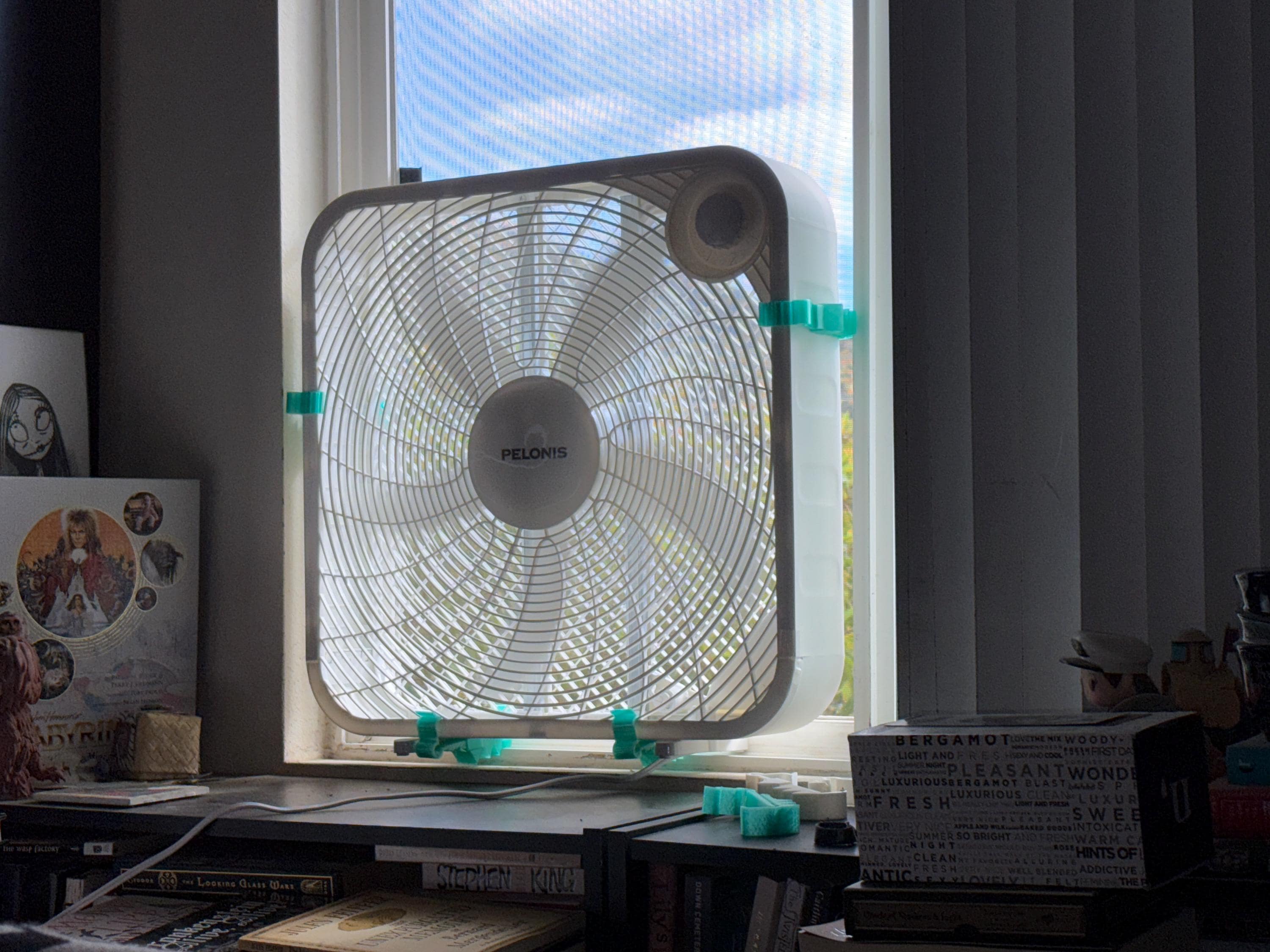
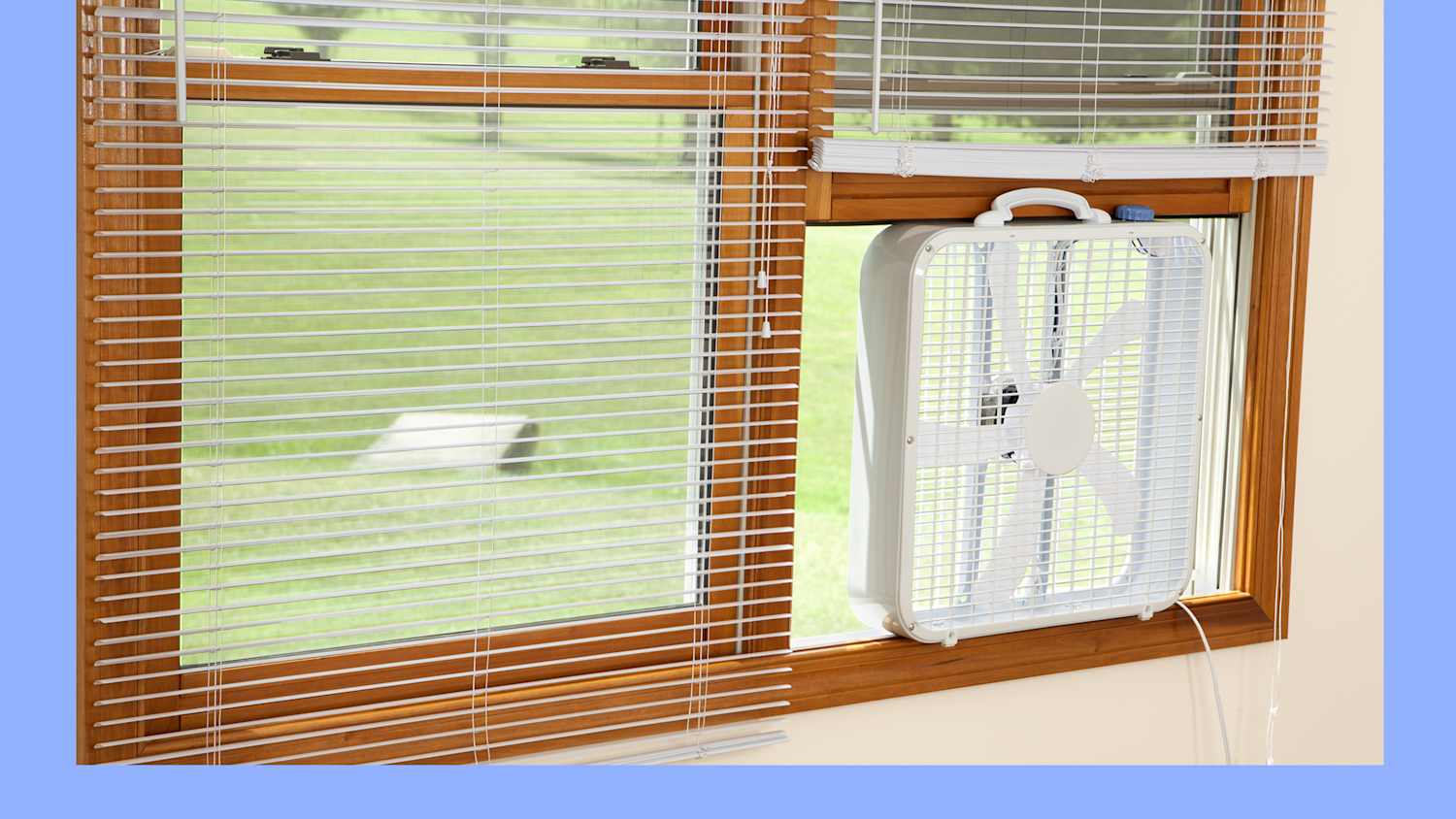
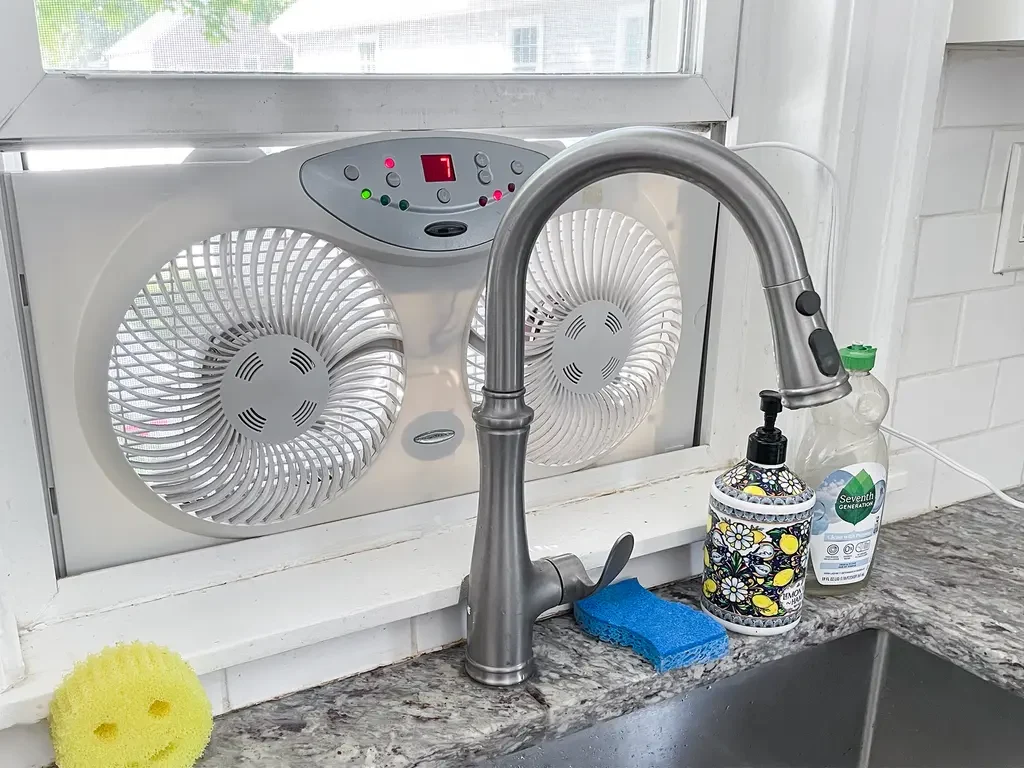
Most people put a fan in a window and hope for the best. The trick is creating a cross-breeze and using fans for either exhaust (pushing hot air out) or intake (pulling cooler air in), depending on the time of day.
At night and early morning: pull cool air in
When the outdoor air is cooler than indoors, you want intake.
- Pick the coolest window (often the shaded side of the building, a courtyard-facing window, or the one that feels breezy).
- Place a box fan facing inward in that window. If you can safely set it a few inches back from the screen, it can sometimes improve airflow, but the best position depends on your window and screen.
- Open a second window on the opposite side of the apartment a few inches to give warm air a place to escape.
During the hottest hours: seal and circulate
If the air outside is hotter than inside, do not invite it in. This is the window rule I live by: only do real window exchange when outside air is cooler (or at least not hotter).
- Keep sun-facing windows shaded and as closed as you can.
- Use fans to move air across your body. Fans cool people more than rooms, so aim airflow where you actually sit and sleep.
Late afternoon and evening: exhaust, but only if it helps
Exhaust fans are great for removing heat, humidity, and cooking smells. But if it is hotter outside everywhere, exhausting can also pull that hot air back in through cracks and other openings.
- If outside is cooler on one side of your unit, put a fan in the hotter window facing outward and crack the cooler-side window so air has an easy way to enter while you push air out.
- If outside is hotter everywhere, keep windows mostly sealed and stick to shading plus internal circulation until the temperature drops.
The two-fan “push-pull” setup (often best)
If you can swing two fans, this is my favorite small-space upgrade because it feels immediate.
- Fan #1 (intake): coolest window, blowing in.
- Fan #2 (exhaust): warmest window, blowing out.
Do not forget the hallway and bathroom
In many small apartments, the bathroom becomes a heat and humidity trap.
- Run the bathroom exhaust fan during and after showers.
- Close the bathroom door while the fan runs so humidity does not drift into your main space.
Safety note: Make sure any window fan is secure and stable. Use the expandable side panels (if included) or a snug fit. Avoid balancing a fan on a flimsy sill where it could fall.
Blackout and thermal curtains
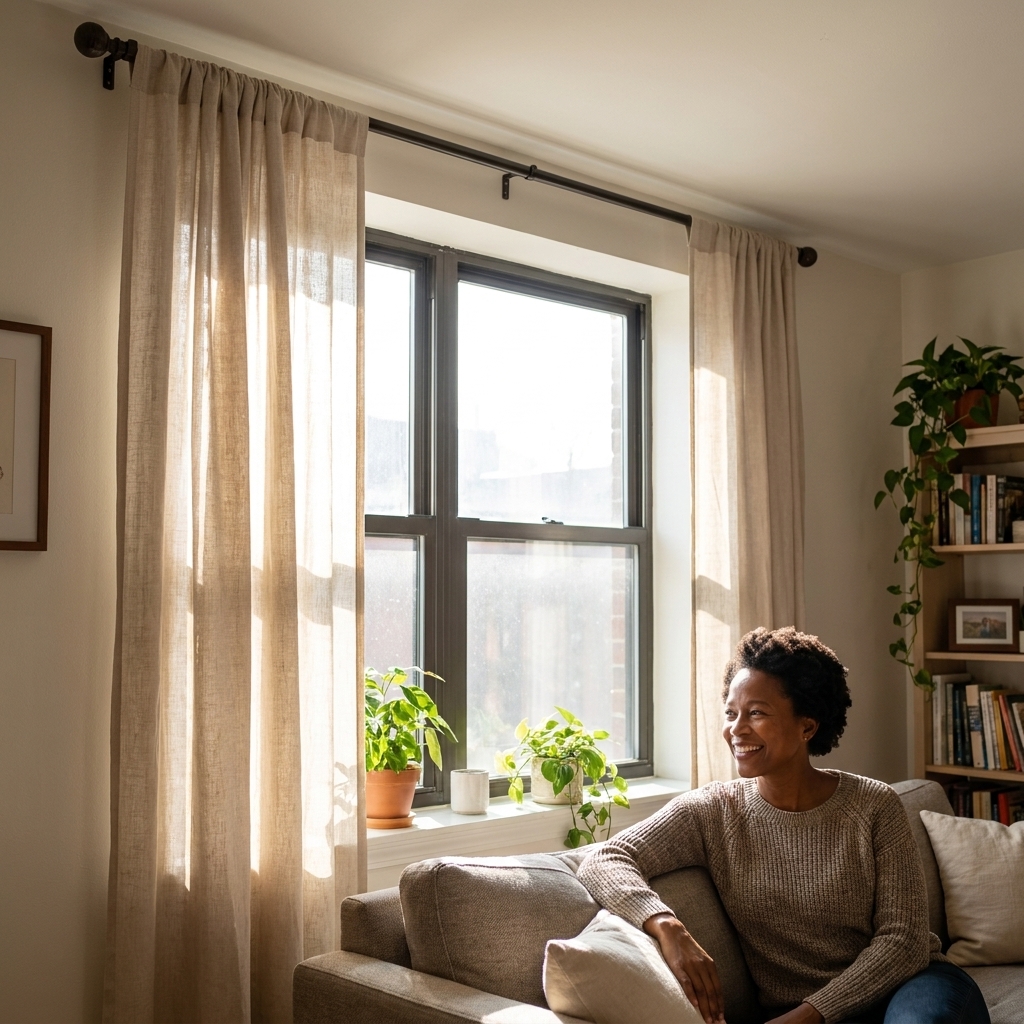
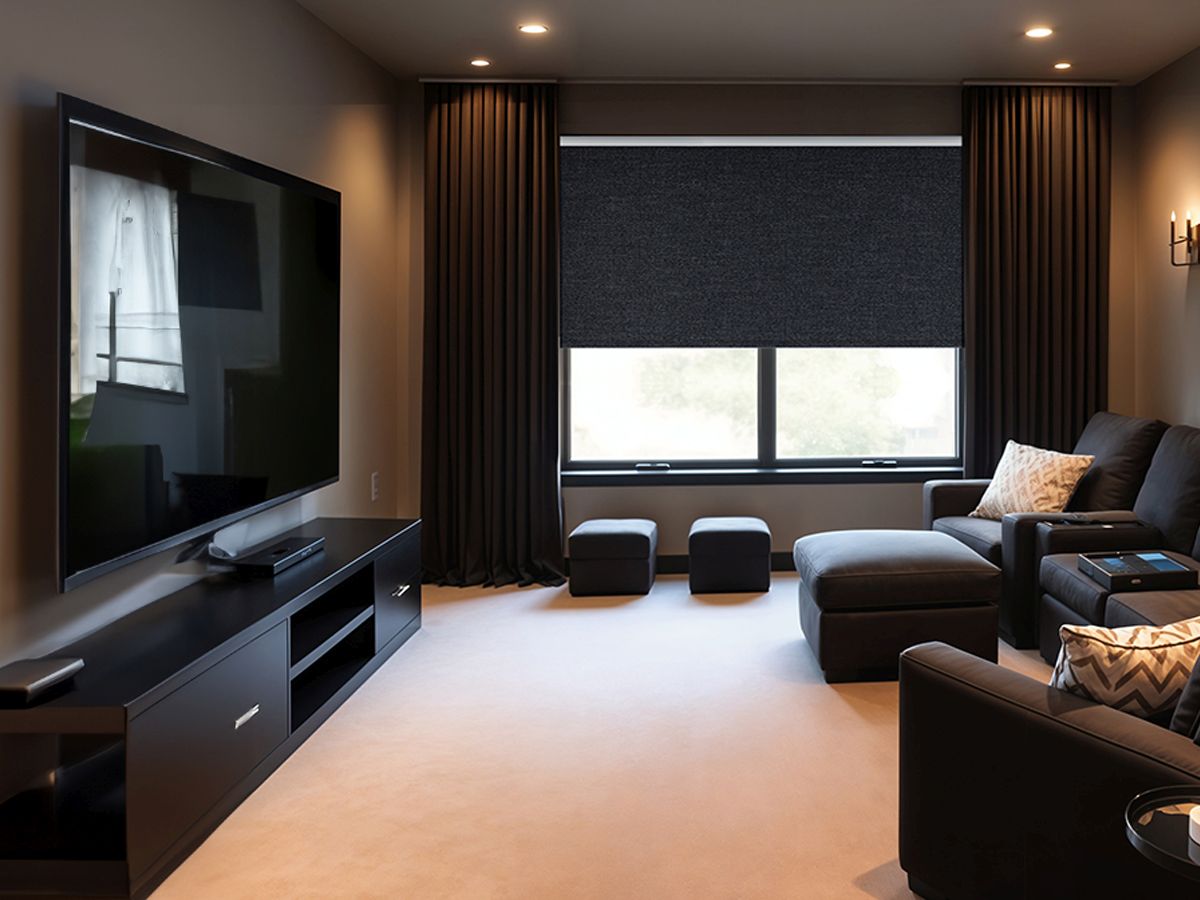
Sunlight is gorgeous until it is turning your floors into a griddle. Curtains do not just darken a room, they can significantly reduce heat gain when used strategically.
What to buy
- Blackout curtains for light-blocking (great for bedrooms and direct sun).
- Thermal or insulated curtains for heat control (often thicker with a lining).
How to hang them for cooling
- Go wider than the window so light and heat do not leak in from the sides.
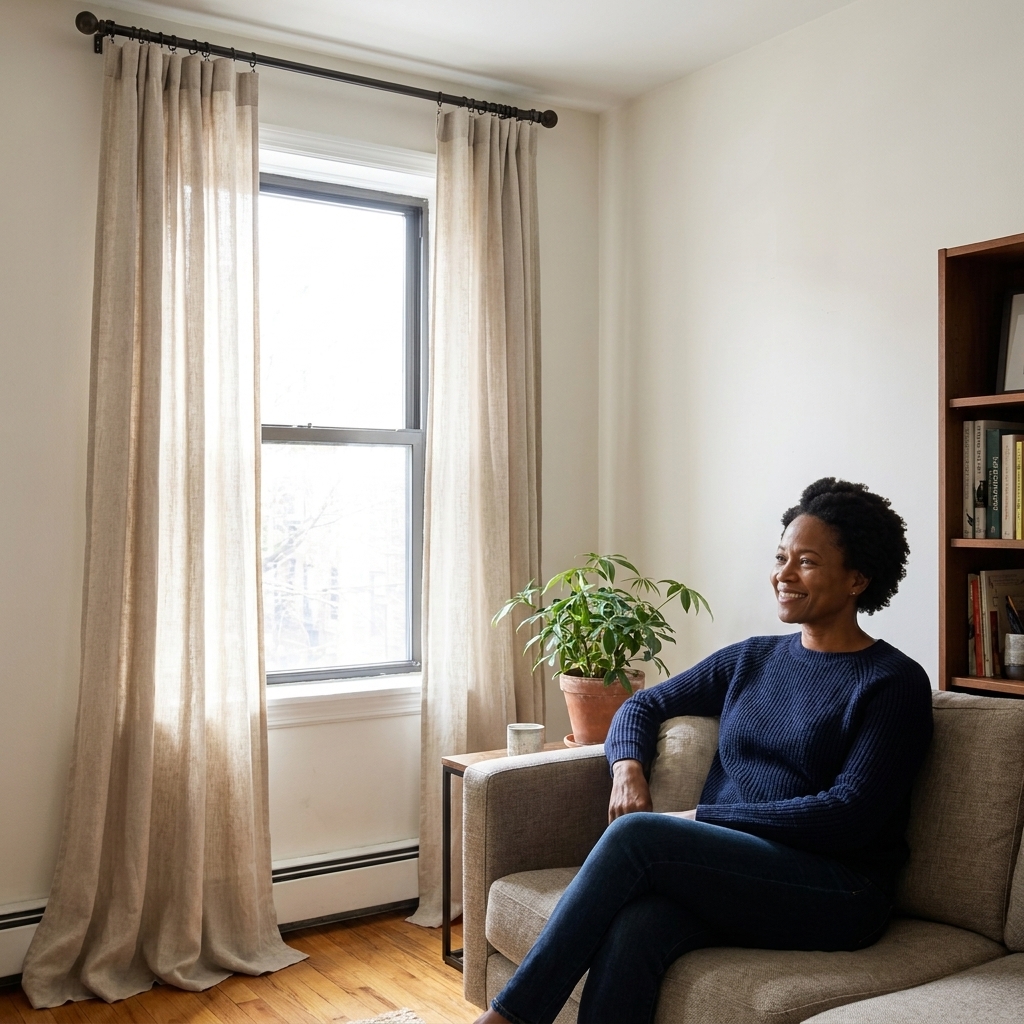
- Hang them high (close to the top of the wall) to reduce the hot halo above the window and make ceilings feel taller.
- Keep them closed on sun-facing windows from late morning through sunset.
Renter-friendly tip: tension rods can work for lightweight curtains, but for true blackout panels, I prefer a removable adhesive curtain rod bracket system or damage-minimizing hooks rated for the curtain weight.
Window film for heat control
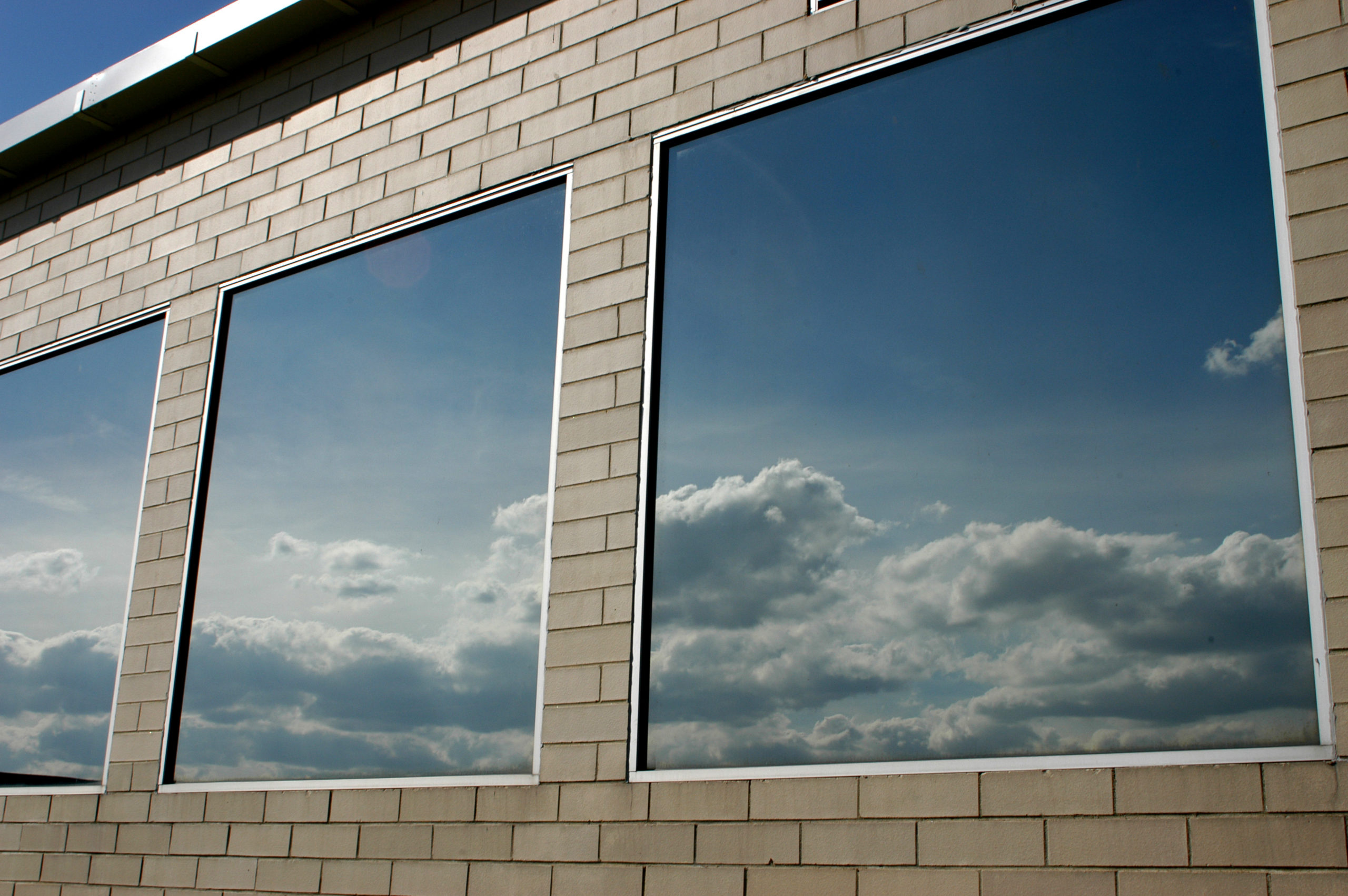
If your lease or building rules limit what you can mount, removable window film is a quiet hero. The right film can reduce solar heat gain and glare, which means your apartment does not start the day already overheating.
What to look for
- Heat-control or solar window film (often marketed for UV and infrared reduction).
- Static-cling or removable adhesive options if you are a renter. Always test a small corner first.
Where it helps most
- West-facing windows (the brutal late-day sun).
- Any window you cannot curtain well because of a radiator, furniture placement, or a weird frame.
My practical rule: if you squint at your own window at 5 pm, that window needs help.
Create a cool core
In a small apartment, you do not need to cool everything equally. You need one area that feels breathable so your body can recover.
Use doors like temperature valves
- Close doors to rooms that get blasted by sun (often the living room or a front room).
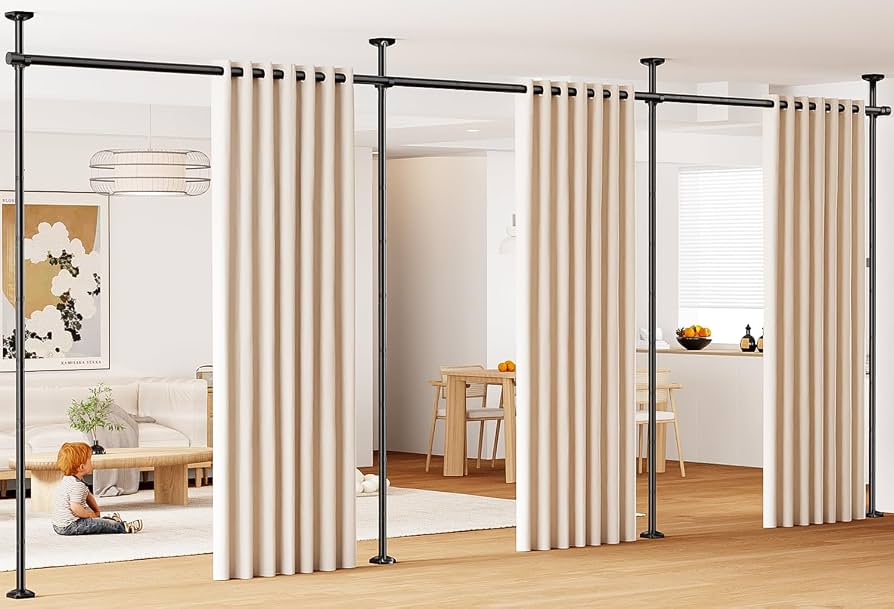
- Hang a curtain in doorways if you have an open layout. A tension rod and a heavy curtain can act like a temporary wall.
Block heat at the threshold
- Roll a towel at the bottom of the door to slow hot air movement from a sun-heated room into your cool core.
- Keep the cool core shaded and focus your fan setup there.
This is also where small-space styling helps: a curtain divider can look intentional if you choose a solid linen-like panel and hang it high.
Seal leaks during peak heat
This one is not glamorous, but it is renter gold. Once you have the sunny windows shaded, treat your apartment like a cooler and stop exchanging air by accident.
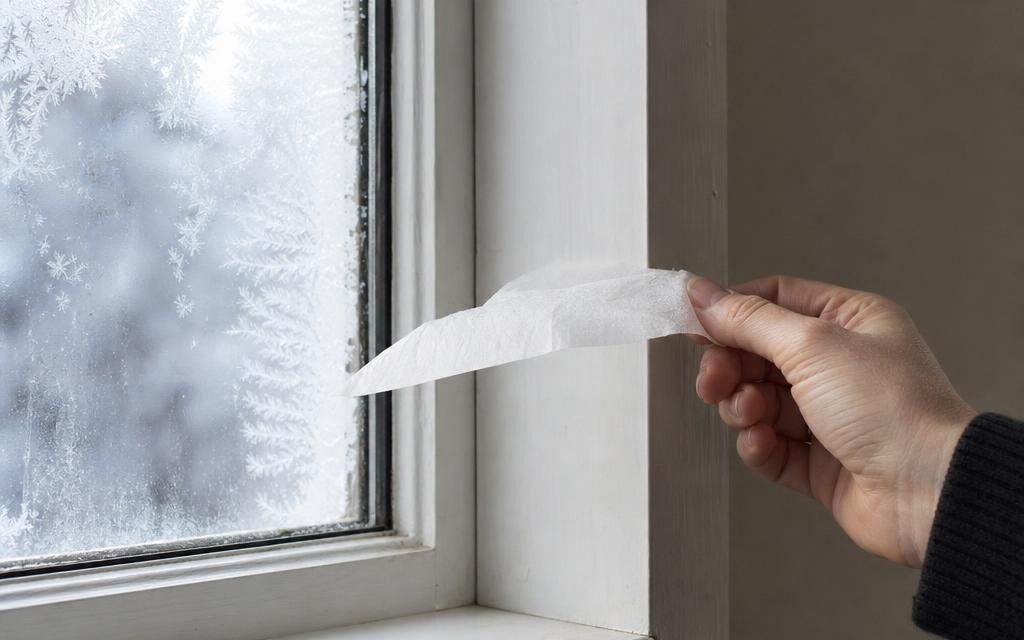
- Add temporary weatherstripping around leaky window edges (the peel-and-stick kind that comes off clean).
- Use draft blockers at the bottom of doors, especially the gap under the front door and any hallway-facing doors that leak hot air.
- Close blinds and curtains before the sun hits. It is easier to prevent heat than to fight it later.
Cooling bedding for sleep
When it is hot, sleep is the first thing that falls apart. I treat the bed like a personal climate zone.
Switch to breathable fabrics
- Sheets: percale cotton, linen, or bamboo lyocell for a cooler feel.
- Duvet insert: lighter weight, or swap to a simple cotton blanket.
- Pajamas: lightweight cotton or moisture-wicking fabric.
Try a fan strategy for the bed
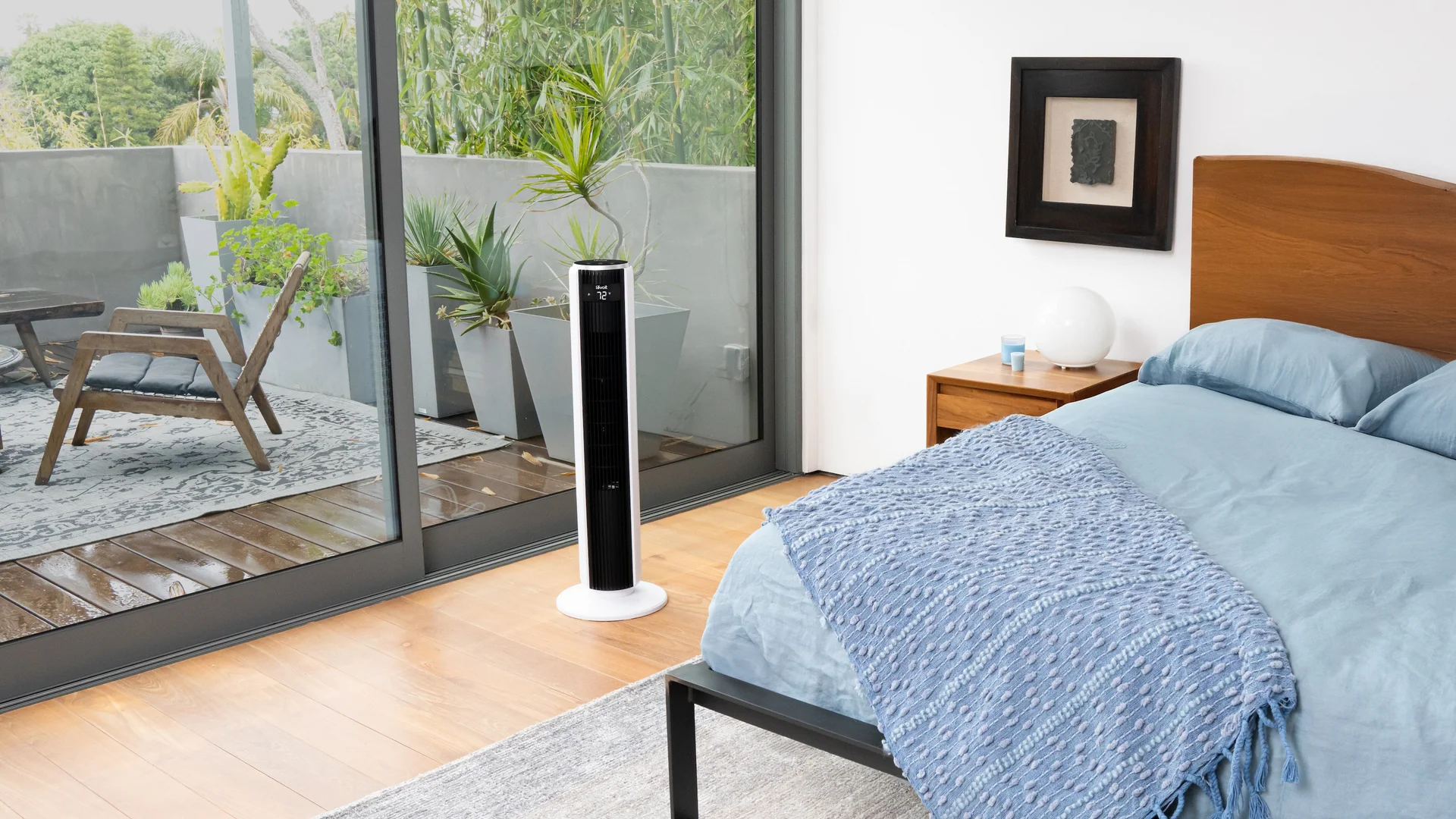
- Angle a pedestal or tower fan to skim across the bed rather than blasting your face.
- Create a cross-breeze with a cracked window and the bedroom door slightly open, if the rest of the apartment is cooler.
Low-cost fast relief
- Chill your top sheet in a sealed bag in the freezer for 20 to 30 minutes before bed.
- Use a cooling pillow insert or gel pillow if you are a hot sleeper.
Skip anything that traps heat. In summer, heavy memory foam toppers can feel like sleeping on a warm pancake.
Low-heat cooking
Cooking is basically indoor weather. In a small apartment, running the oven can raise the perceived temperature fast, especially near the kitchen-living area.
Swap your cooking methods
- Use a microwave, rice cooker, slow cooker, or electric kettle instead of the oven.
- Go no-cook a few nights a week: salads, wraps, yogurt bowls, rotisserie chicken, tinned fish, gazpacho.
- Batch cook early in the day when it is coolest, then reheat lightly at dinner.
Vent like you mean it
- Run the range hood if it vents outside. If your hood just recirculates through a filter, it helps with smells but it will not remove heat.
- Use a window exhaust fan nearby when you can, aimed outward to push cooking heat and humidity outside.
More renter-friendly ways
Dehumidify if it is sticky
Humidity makes heat feel heavier. If your apartment feels swampy, a small dehumidifier can improve comfort even if the temperature does not change much. Quick nuance: dehumidifiers also release some heat while they run, so they are most worth it in humid climates, and less helpful in dry heat.
Turn off hidden heat sources
- Switch incandescent bulbs to LEDs.
- Unplug chargers and power strips you are not using for small, incremental gains.
- Limit long, hot showers and run the bathroom fan.
Use the shade-first rule
If you can block sun before it hits the glass, that is even better. In rentals you may be limited, but you can still try:
- Exterior shade from what you already have: a balcony umbrella angled to block direct sun.
- Interior shade layering: sheer curtain plus blackout panel so you can choose light without heat.
Order of effort
If you want the biggest payoff with the least chaos, here is the sequence I use when a friend texts me, “Help, my apartment is 84 degrees.” Costs vary by city and brand, but these ranges are realistic for most renters.
| Step | Effort | Approx. cost | Why it works |
|---|---|---|---|
| Close curtains on sun-facing windows | 5 minutes | $0 to $30 per window | Stops heat gain immediately, especially afternoon sun. |
| Set up one window fan for exhaust or intake | 10 to 20 minutes | $25 to $80 per fan | Moves hot air out or cool air in on purpose. |
| Create cross-breeze with two fans | 20 to 30 minutes | $50 to $160 total | Strongest non-AC airflow improvement for small apartments when outdoor air is cooler. |
| Add blackout or thermal curtains | 30 to 90 minutes | $30 to $150 per window | Reduces solar heating across the hottest hours. |
| Apply removable solar window film | 45 to 120 minutes | $15 to $60 per window | Cuts glare and heat at the glass, great for west-facing windows. |
| Zone the apartment with doors or a curtain divider | 15 to 60 minutes | $0 to $60 | Concentrates comfort where you actually live and sleep. |
| Seal leaks with weatherstripping and draft blockers | 20 to 60 minutes | $10 to $40 | Prevents hot air from sneaking in during peak heat, and keeps cooled night air longer. |
| Upgrade to cooling bedding | Shopping plus laundry day | $40 to $200 | Makes sleep possible even when the room runs warm. |
| Switch to low-heat cooking methods | Same day habit | $0 to $60 | Prevents your kitchen from reheating the whole apartment. |
| Add a small dehumidifier (humid climates) | Plug in and empty tank | $40 to $200 | Less humidity can make the space feel cooler and less sticky, even if it adds a little heat while running. |
If you do only three things: blackout the sunny windows, use cross-breeze at night when it is actually cooler outside, and zone off your hottest room. That combo is shockingly effective in tiny layouts.
Heat safety basics
There is renter creativity, and then there is fighting a real heat emergency with a box fan. If your indoor temperature is staying dangerously high, or you feel dizzy, confused, nauseated, or you stop sweating, treat it as urgent.
- Check on neighbors, kids, older adults, and pets, especially in top-floor units.
- Use cooling centers or public air-conditioned spaces when home is not safe.
- Hydrate and take cool showers, and do not try to “tough it out” if you are overheating.
Mini FAQ
Should my fan face in or out?
It depends on the outdoor temperature. If it is cooler outside, face the fan in to pull cool air in. If it is hotter outside, keep windows mostly closed and use fans to circulate air across your body. If you need to clear heat or humidity from cooking or showers, a brief exhaust setup can help, but it works best when you can also provide an intake path that is not hotter than your indoor air.
Do blackout curtains really reduce heat?
Yes, especially on direct-sun windows. Thermal-lined blackout curtains tend to perform best. The key is keeping them closed during peak sun, not only when you want darkness.
Is window film renter-friendly?
Many removable or static-cling films are renter-friendly, but always test a corner first and follow removal instructions carefully. If your windows are specialty coated, check building guidance to avoid damage.
What if I only have one window?
You can still improve comfort by using that window strategically. At night, use a fan pulling cool air in. During hot hours, keep curtains closed and use a circulating fan to move air across your body. If you have a bathroom exhaust fan, use it to pull warm, humid air out after showers.
My cooling checklist
- Shade the sun-facing windows before the room heats up.
- Open windows for a real cross-breeze only when the outside air is cooler.
- Use one fan as intake and, if possible, another as exhaust.
- Seal drafts during peak heat so you keep the cool air you earned overnight.
- Zone your space so you have one reliably comfortable cool core.
- Make your bed breathable with cooler sheets and lighter layers.
- Cook like it is a heat wave, because it is.
You do not need central air to make a small apartment livable. You just need a plan and a little stubborn renter creativity. Trust me, I have cooled down some truly dramatic floor plans.