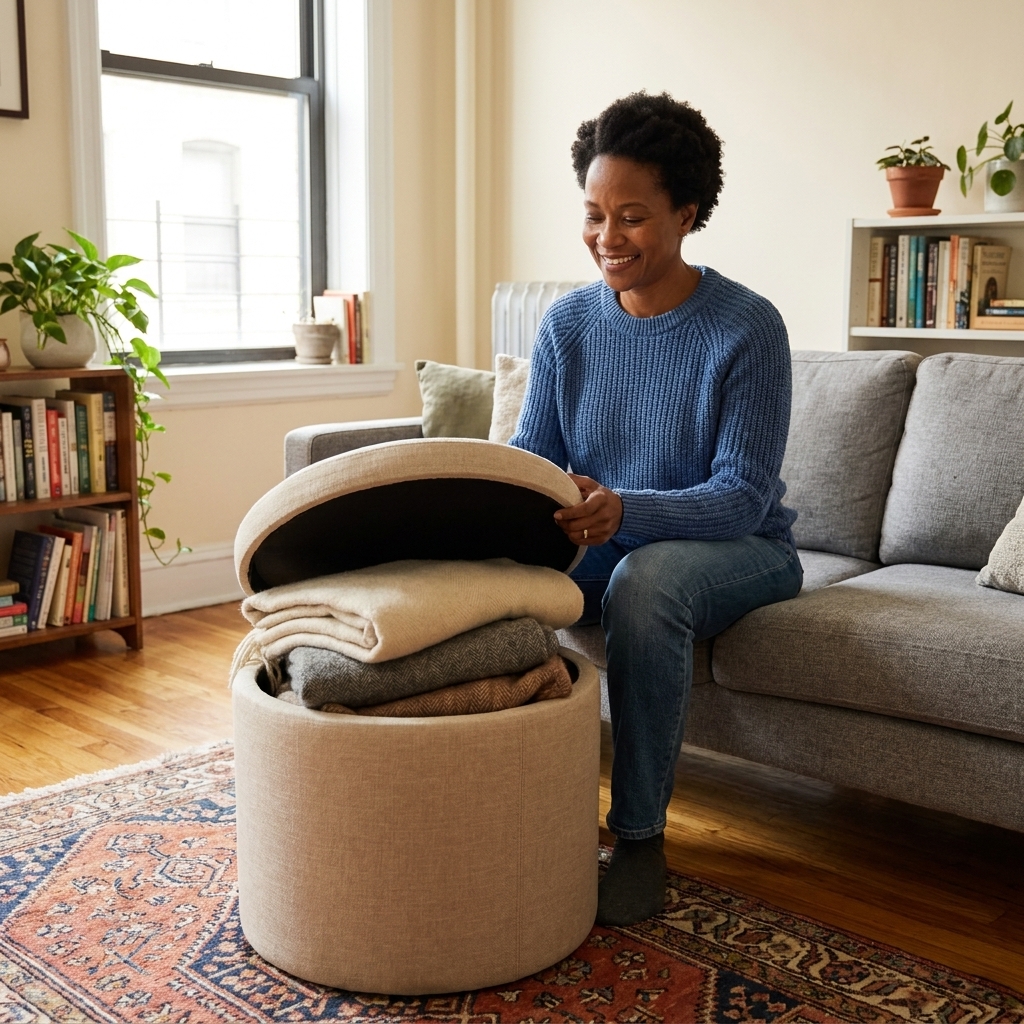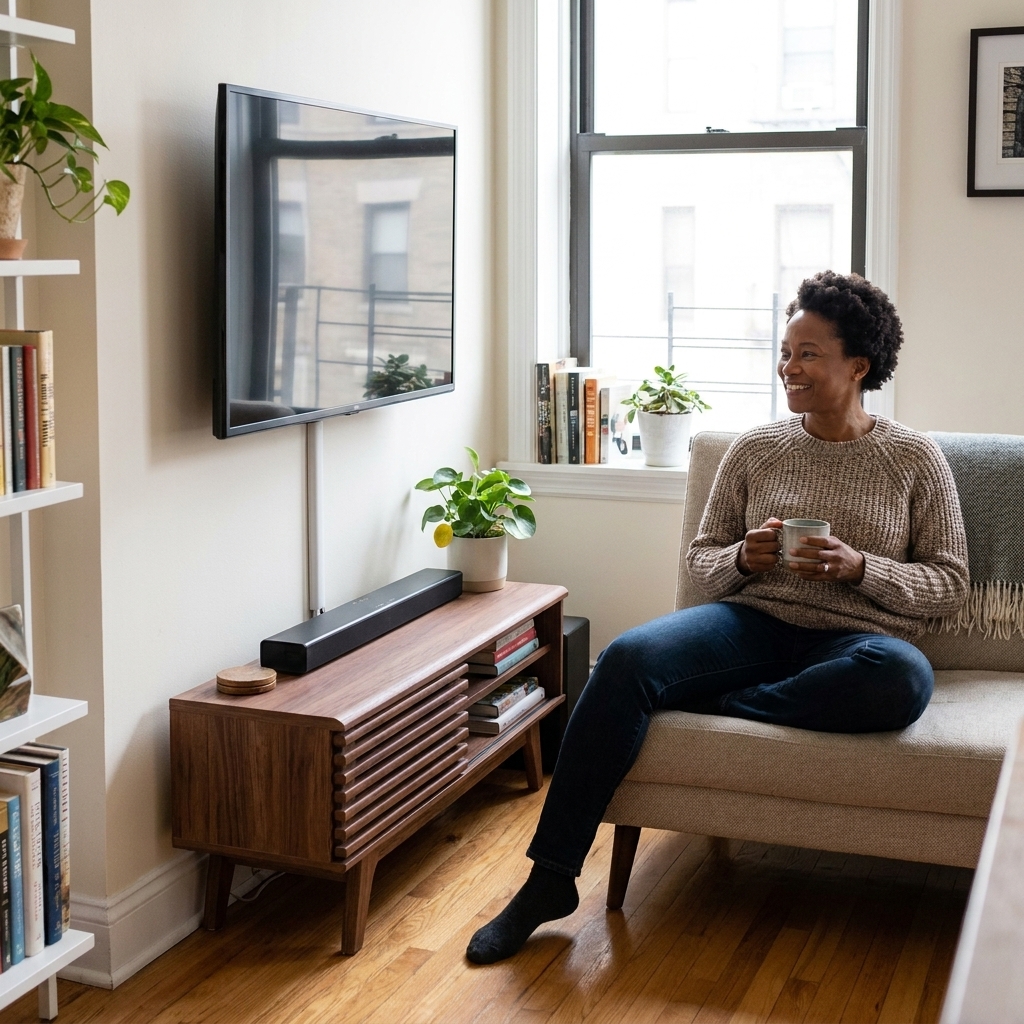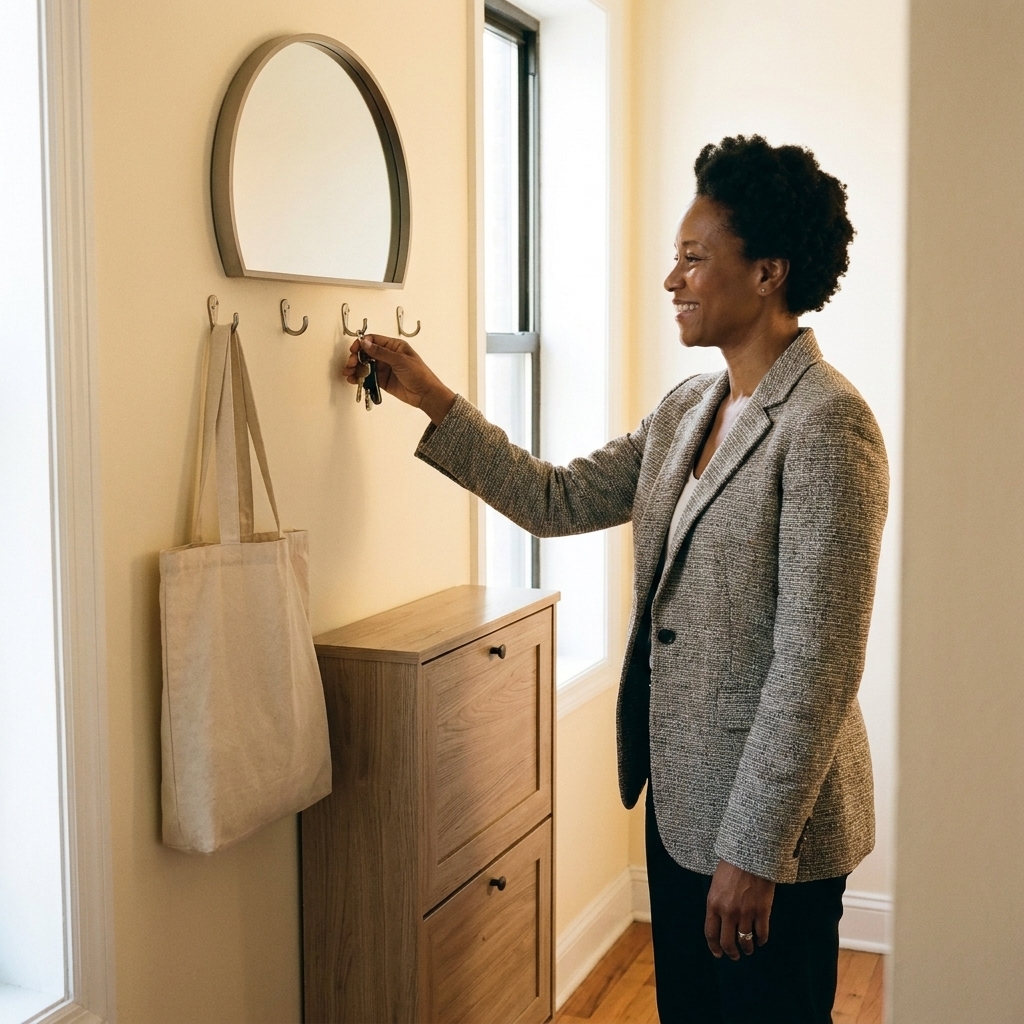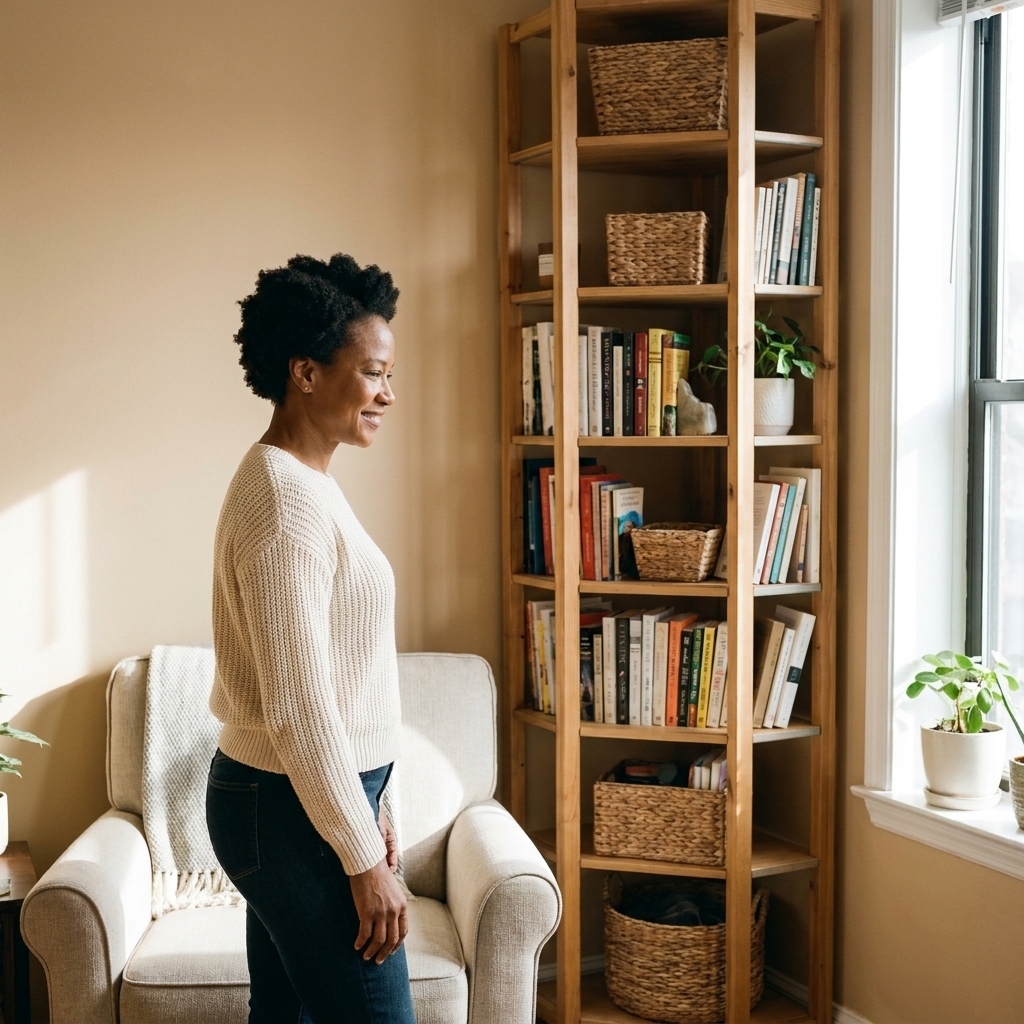
A small-space guide to making every weird nook useful, from corner shelving to custom-fit storage that looks intentional and feels breathable.
Space Ovo
Floating Shelves vs. Bookshelves for Small Living Rooms
Floating shelves and freestanding bookcases both add storage, but they impact space very differently. Here’s how to choose the option that makes a small living room feel bigger, lighter, and more functional.

Maya Brooks
Maya Brooks is an interior stylist and layout enthusiast who believes square footage should never dictate your home's style. After a decade of navigating cramped city studios, she shares practical, renter-friendly decorating and storage solutions to help others maximize their tiny spaces.
Created October 17, 2026
Updated October 17, 2026
If you live in a small living room, you already know the emotional rollercoaster of storage: you need a place for books, baskets, and the random stuff that makes a home feel like a home. But you also need the room to breathe. That’s why the floating shelves vs. bookshelves question matters so much. In tight square footage, the “wrong” storage can make a room feel instantly crowded, while the “right” choice can make it feel taller, brighter, and calmer.
I’ve done both in apartments where the living room was basically one enthusiastic couch away from becoming a hallway. Here’s how to decide, with the practical details renters and small-space dwellers actually need.
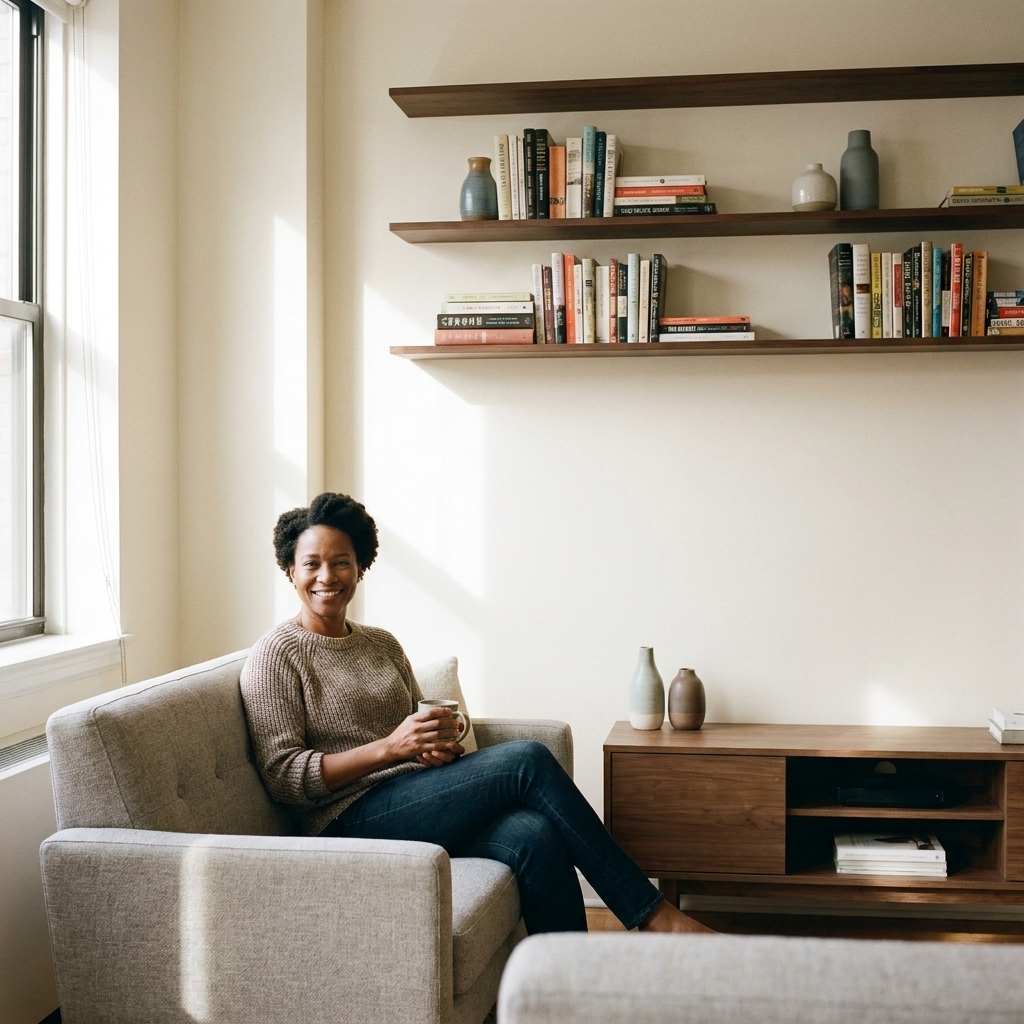
The quick takeaway
- Choose floating shelves when your living room feels visually heavy, you need the floor clear, or your layout has tight walkways.
- Choose a freestanding bookshelf when you need serious capacity, you can’t drill much, or you want storage you can rearrange when you move.
- Best of both worlds is often: one tall, slim bookcase plus one to two short runs of floating shelves where they add height without eating pathways.
How each option changes the feel
Floating shelves: airier because the floor stays open
In small rooms, the floor is visual real estate. Floating shelves keep that real estate clear, which helps your eye travel and makes the room feel less packed. They also let you place storage exactly where it helps the layout, like above a radiator cover, over a media console, or in that awkward slice of wall behind the door swing.
Small-space win: When shelves are mounted higher, they pull attention up. That vertical stretch can make ceilings feel taller, especially if you keep the styling light and cohesive.
Bookshelves: anchoring because they add vertical mass
A bookshelf is like moving in a new piece of architecture. That can be great, especially in an open-plan living room that needs definition. But if the bookcase is deep, dark, or placed where it blocks a sightline, it can make the space feel tighter fast.
Small-space win: A tall, narrow bookcase can make a room feel taller and more intentional, particularly when it’s close to the same color as the wall behind it. It reads more like built-in storage and less like a bulky object.
Storage capacity: what holds more?
Bookshelves usually win for volume
If you’ve got a lot of books, board games, vinyl, or bins you want to hide, a freestanding bookcase typically gives you more usable capacity per wall section because you’re getting full-depth shelves, consistent spacing, and more linear feet of shelf.
A bookcase is also better for odd-sized items you don’t want to play shelf-Tetris with, like large art books, baskets, or tall speakers.
Depth reality: Many standard bookcases are around 11 to 12 inches deep. That’s why they swallow more and why they can feel bulkier in a tiny room. Shallow bookcases exist, but they won’t fit every oversized book.
Floating shelves win for just-enough storage in the right spot
Floating shelves shine when you need targeted storage for lighter, everyday things: a few books, plants, framed photos, and a couple of baskets for remotes or chargers. They’re ideal for using vertical space without taking over the whole room.
Reality check: If you’re trying to store a serious number of paperbacks, floating shelves can handle it, but only if you install them like you mean it. Check the manufacturer’s load rating (per shelf and per bracket), mount into studs when you can, and keep shelf spans reasonable so you don’t end up with sagging shelves and anxiety every time someone slams the front door.
Renter-friendliness: drilling and moving
Floating shelves: renter-friendly if you install them smart
Floating shelves have a reputation for being “not for renters,” but that’s only true when you treat drywall like it’s concrete. You’ve got a few options, depending on your lease and your wall type:
- Best case: Install into studs when possible. This is the most secure, especially for books.
- Drywall anchors: Works for lighter loads when studs aren’t where you need them. Use anchors rated well above what you think you’ll put on the shelf.
- Picture ledges: Shallow shelves, often around 3 to 5 inches deep, hold less weight but are easier to keep tidy and are great for tiny rooms.
You’ll have small holes to patch later, but that’s usually manageable with spackle, a putty knife, and paint-matching (or a decent “good enough” touch-up in older apartments).
Bookshelves: easiest to undo, with one safety step
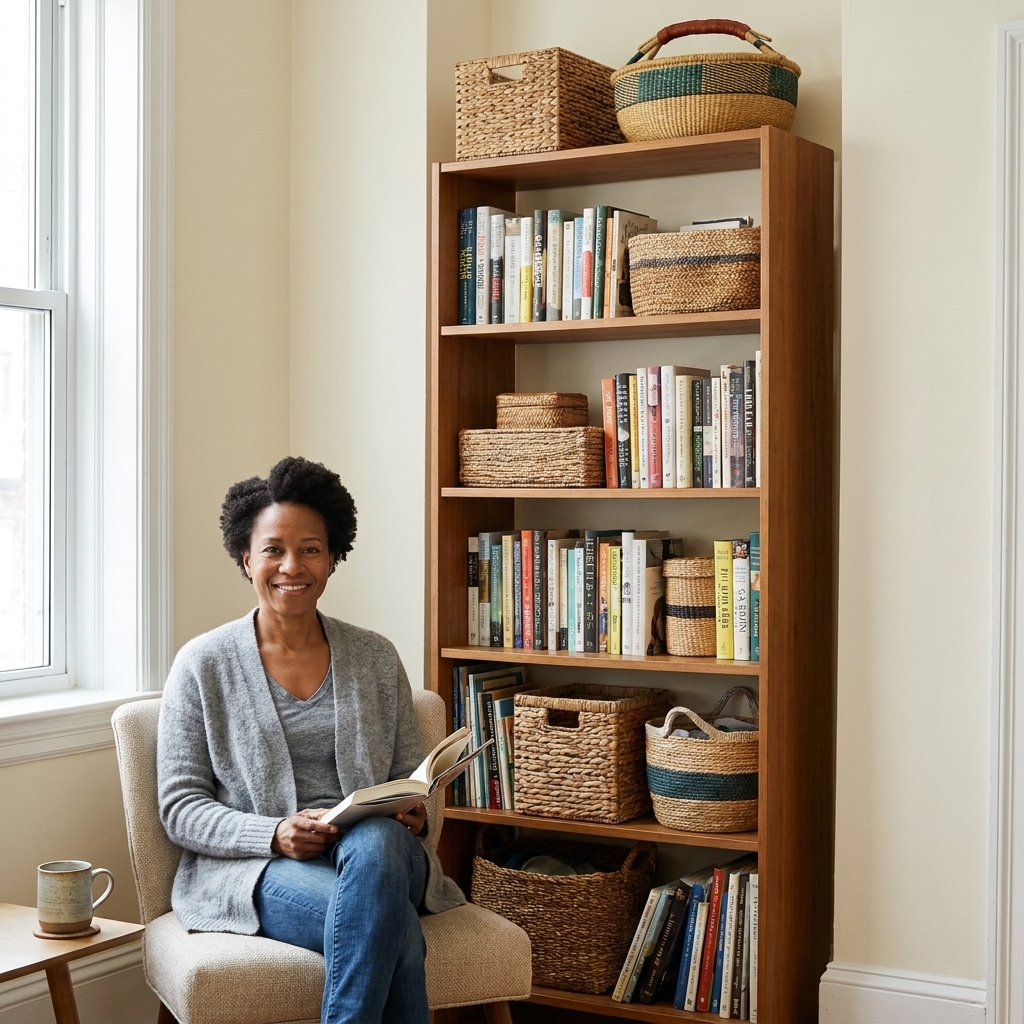
Bookcases are the classic renter move because you can set them up without touching the walls. But if you’ve got pets, kids, or even a clumsy friend who leans on things, please anchor tall bookcases to the wall. Consumer safety guidance has warned for years about tip-over risk, and most modern bookcases come with anchoring hardware for a reason.
Wall types and what to watch for
Not all walls behave the same, and this is where floating shelves either feel rock-solid or become a slow-motion regret.
- Drywall: Common in newer builds. Stud mounting is best; good anchors can work for lighter shelves.
- Plaster (including lath-and-plaster): Common in older apartments. It can crack if you rush the drilling. Pre-drill carefully, use the right bit, and don’t assume a basic drywall anchor will perform the same way.
- Masonry or brick: Very strong, but you’ll need masonry anchors and the correct drill bit. If you’re renting, double-check what your lease allows before you put holes in brick.
Layout: where each works best
Floating shelves work best with tight walkways
If your living room has a main path from the front door to the kitchen, or you’re constantly squeezing past a coffee table, floating shelves are a gift. They add storage without narrowing the traffic lane.
Best placements:
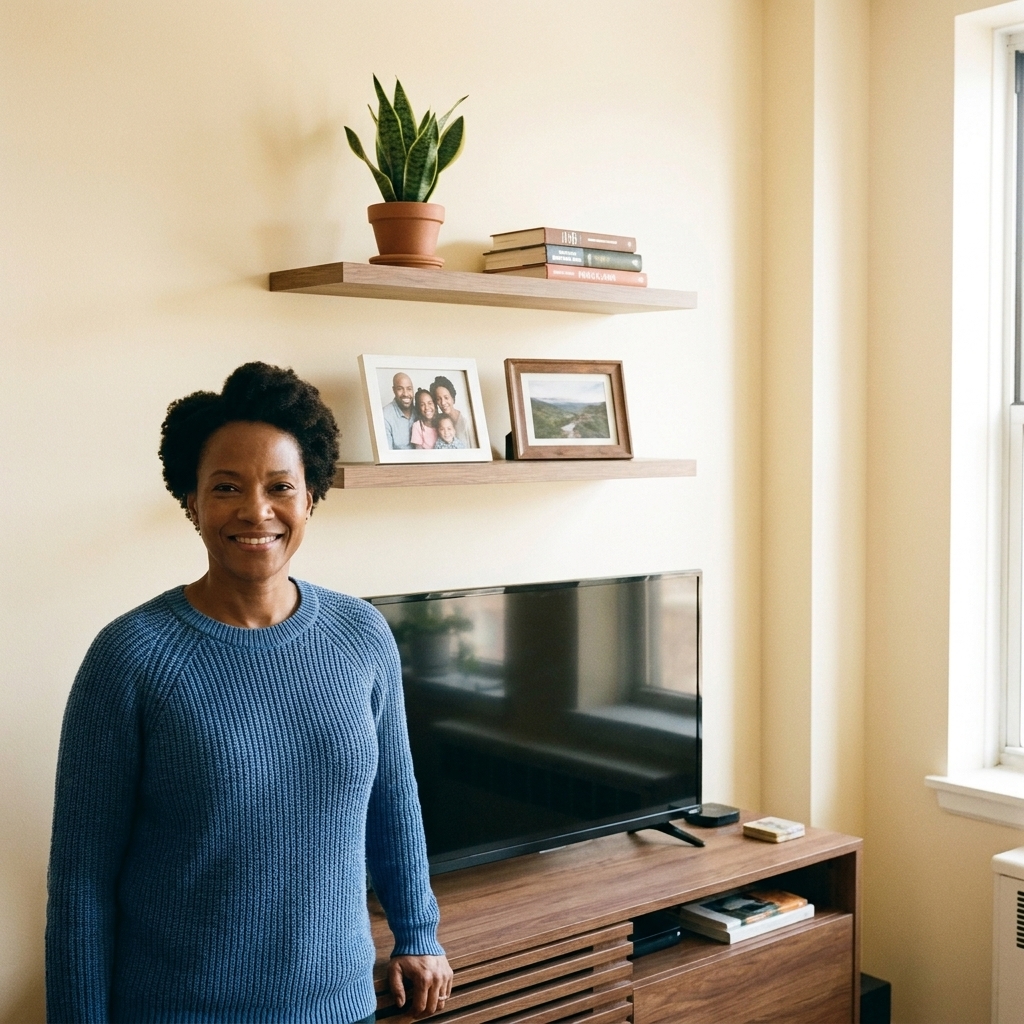
- Above a TV console or credenza
- Over a desk tucked in the living room
- Above a radiator cover or low cabinet
- On the wall behind a sofa (placed high enough to avoid head bumps)
Bookshelves work best on an underused wall or corner
Got one wall that feels blank and wasted? A bookshelf can turn it into a functional zone. Corners are especially good if your seating layout already points there.
Best placements:
- In a corner near a reading chair
- On the wall opposite windows (keeps the room bright)
- Next to the sofa as a side-table alternative (if the bookcase is shallow)
Measurements that save you later
Shelf spacing: measure your tallest item first
Before you mount anything, grab the tallest thing you actually plan to store, like a record sleeve in its jacket, a large art book, or a basket you love. Then build spacing around real life, not vibes. For most standard books and decor, a range of about 10 to 14 inches between shelves works well, but your stuff gets the final vote.
Shelf depth: shallow looks lighter, deep holds more
In small living rooms, shallow shelves often feel better. A depth of about 8 to 10 inches works for most standard books and decor. If you collect oversized art books or big binders, you may want 11 to 12 inches or more, or you’ll be dealing with overhang (which looks messy fast).
Visual clutter: the make-or-break factor
Floating shelves can look cluttered faster
Because floating shelves are open and usually eye-level, they broadcast everything. If you love a styled look, great. If you want to toss things somewhere and forget them, floating shelves can make your living room feel busy.
My calm shelf formula: Group items in threes, leave 30 to 40 percent of the shelf empty, and use at least one closed container (a lidded box or small basket) per shelf run to swallow tiny chaos.
Bookshelves can hide clutter better, especially with baskets
Bookcases give you more depth, which means you can use baskets, magazine files, and bins to create closed storage without buying another cabinet. If you’re a visual minimalist but a real-life maximalist, this is your move.
Small-room styling tip: Choose baskets that match each other and keep them on the bottom shelves. Heavy visuals low down make the room feel more grounded.
Budget: what costs more
Floating shelves: the shelf might be cheap, the install adds up
You can find affordable shelves, but the true cost is often hardware, tools, and time. If you’re hiring help because drilling isn’t your thing, that bumps the budget too. The upside is you can build a custom look for less than a built-in vibe would normally cost.
Bookshelves: predictable pricing and easy secondhand wins
Bookcases are straightforward: buy, assemble, done. They’re also one of the easiest items to score secondhand. In small apartments, a pre-loved slim bookcase can be a big style upgrade without a big bill.
Safety and durability
Floating shelves need realistic weight limits
If you plan to store books, treat floating shelves like a structural decision. Use strong brackets (even if they’re hidden), secure them properly, and keep the heaviest items closest to the wall. Shallower shelves reduce leverage and often feel better in small rooms anyway.
Bookshelves need anchoring and smart loading
A tall bookcase packed with heavy books can get top-heavy. Anchor it, even in a rental. Also, put the heaviest items on the bottom shelves. Your floor will thank you and so will your nerves.
Which should you choose?
Pick floating shelves if:
- You want the room to feel bigger and less blocked
- Your layout has narrow walkways
- You’re storing lighter items, or you can anchor securely
- You like a styled, curated look
- You need storage above existing furniture
Pick a bookshelf if:
- You need maximum storage capacity
- You want flexible furniture you can move later
- You prefer semi-hidden storage using baskets and bins
- You have a blank wall or corner begging for function
- You don’t want to patch multiple wall holes
My favorite small-living-room combo
If you’re torn, here’s my tried-and-true approach from my tiniest apartments: one tall, slim bookcase (around 10 to 12 inches deep if you can find it) plus one short run of floating shelves above a low piece (TV stand, bar cabinet, or entry console). It spreads storage around the room instead of creating one giant “everything zone,” and it makes the whole space feel taller.
Pro tips to keep it light
- Go vertical: choose tall bookcases or mount shelves higher to draw the eye up.
- Match the wall color: a bookshelf painted the same color as the wall reads less bulky.
- Choose shallow when you can: 8 to 10 inches is plenty for most books and decor, but go deeper for oversized books.
- Leave negative space: you don’t have to fill every inch. A little emptiness is what makes a small room feel intentional.
- Use closed containers: baskets and boxes are your clutter insurance policy.
FAQ
Do floating shelves make a room look bigger?
Usually, yes. They keep floor space open and can pull the eye upward, which makes small living rooms feel less boxed-in. They work best when you avoid overcrowding them.
Are floating shelves strong enough for books?
They can be, but only if they’re properly supported and installed. For heavy books, aim for stud mounting when possible, use hardware rated for the load, and avoid extra-deep shelves that create more leverage.
What kind of bookshelf is best for a small living room?
Look for tall and narrow, not short and wide. A slimmer depth helps maintain walkway space. If you can, choose a lighter finish or match it to your wall color to reduce visual weight.
Should I put shelves above the sofa?
You can, but keep them higher than you think you need and avoid heavy items. In tiny rooms, I prefer picture ledges or shallow shelves here, styled lightly, so the seating area feels safe and open.