
Learn the high and wide curtain trick: where to mount the rod, how long your panels should be, and which fabrics boost natural light and perceived ceiling he...
Space Ovo
Soundproof a Small Apartment Without Drilling
Cut noise from neighbors, hallways, and street traffic with renter-safe fixes like heavy curtains, rugs and pads, door seals, bookcases, outlet gaskets, and removable acoustic panels.

Maya Brooks
Maya Brooks is an interior stylist and layout enthusiast who believes square footage should never dictate your home's style. After a decade of navigating cramped city studios, she shares practical, renter-friendly decorating and storage solutions to help others maximize their tiny spaces.
I learned the hard way that “quiet building” is sometimes just a listing’s creative writing. In one Brooklyn studio, I could hear my neighbor’s blender like it was my blender, and the hallway door slam was basically my morning alarm.
The good news is you can make a small apartment noticeably quieter without drilling a single hole or gambling your deposit. The trick is understanding what kind of noise you are dealing with, then choosing fixes that either seal air gaps (best for voices and hallway noise), add absorption (best for echo), or add mass (best for muffling sound through thin walls).
One reality check up front: most renter-friendly fixes are noise reduction, not true studio-level soundproofing. The goal is “calmer and quieter,” not “silent bunker.”
First, figure out your noise type
Soundproofing gets frustrating when you throw money at the wrong problem. Here are the three noise types you will actually notice in apartments, and what helps each one.
- Airborne noise (voices, TV, barking, hallway chatter): travels through air and slips through gaps. Best fixes: door seals, weatherstripping, heavy curtains, sealing obvious cracks, outlet gaskets (renter-safe), adding mass on a shared wall (bookcase/wardrobe).
- Impact noise (footsteps, chair dragging, dropped items): travels through the building structure. Best fixes: thick rugs plus thick pads, furniture felt pads, a resilient underlayer under rugs (modest improvements), asking upstairs neighbors to add rugs.
- Echo and reverberation inside your unit (your place sounds “live,” calls sound hollow): not coming from neighbors, but it makes everything feel louder. Best fixes: rugs, curtains, upholstered furniture, removable acoustic panels.
Quick self-test: if you can hear words clearly, it is usually air gaps or thin partitions. If it is mostly thuds and stomps, it is impact noise. If your own voice sounds like it is bouncing, it is reverb.
Renter-safe options ranked by cost and effectiveness
These are the upgrades I reach for in tiny spaces because they are removable, low-risk, and they work. Effectiveness depends on the noise type, so I’m calling that out for each.
1) Door sweeps and perimeter seals
Cost: $ to $$
Effectiveness: Very high for hallway noise and voices that leak around the door
Best for: Hallway chatter, neighbors talking near your door, elevator dings, lobby noise, cigarette smells (bonus)
Your front door is usually the leakiest “speaker” in the whole apartment. Sound loves gaps, especially the gap under the door. If the noise is mostly coming through walls or floors (or it is bass-heavy), door seals help less, but they are still one of the cheapest high-impact moves.
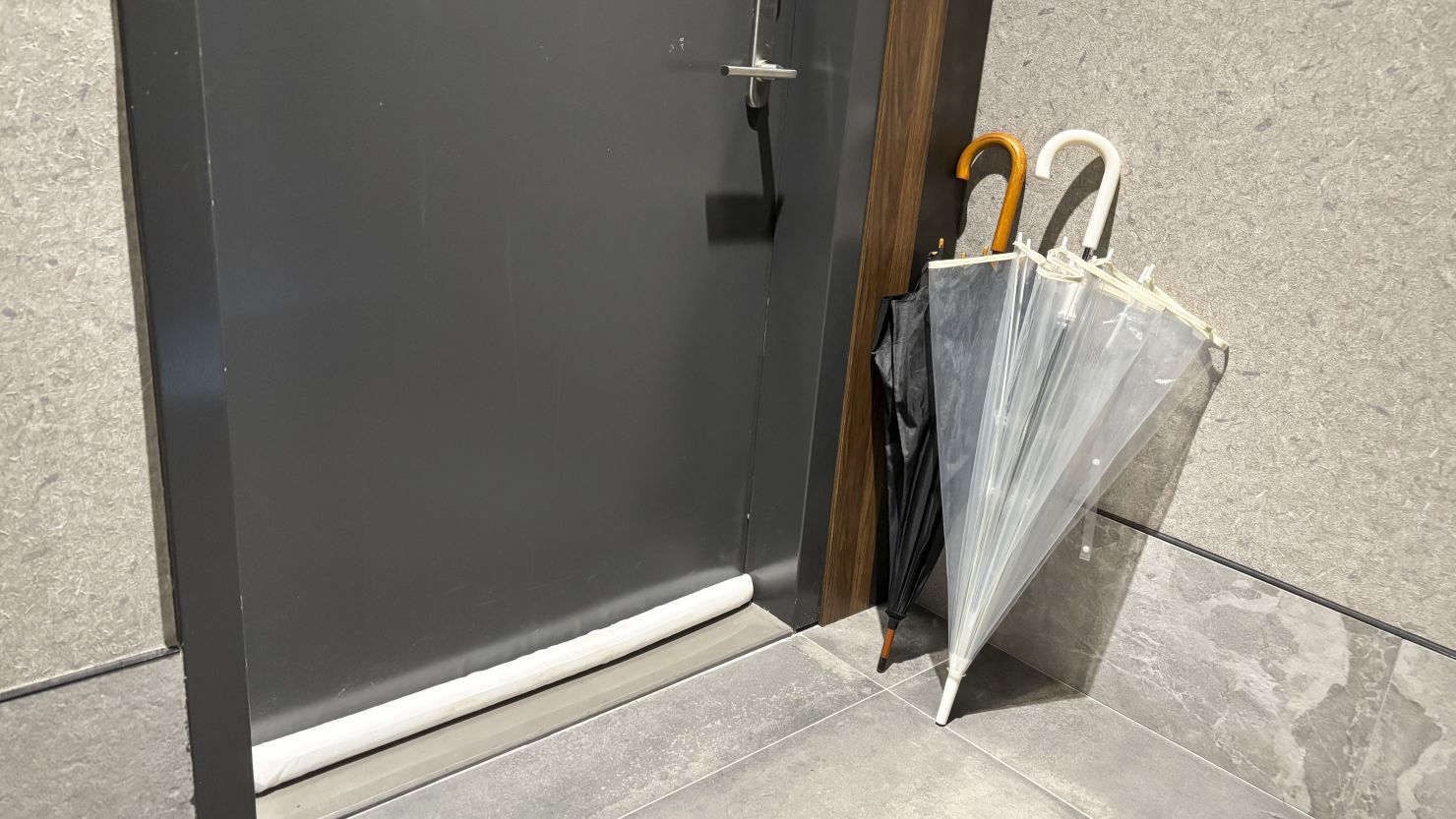
- Door sweep: Choose a peel-and-stick or slide-on style. Peel-and-stick is great when you cannot remove the door or if the gap is uneven.
- Weatherstripping: Add foam or rubber strips along the sides and top of the door frame. Look for “high density” or “sound reducing” options.
- Door draft stopper: Works best as a supplement when you cannot install a sweep, or for interior doors (bedroom door, office nook).
Tip: Do the “flashlight test.” Turn off lights inside, have a friend shine a flashlight around the door from the hallway side. Any light you see is a sound leak you can seal.
Safety note: Do not add anything that keeps a fire-rated entry door from closing and latching properly. After you install a sweep or seals, open and close the door a few times and make sure it still shuts cleanly.
2) Thick area rugs plus a real rug pad
Cost: $$ to $$$
Effectiveness: High for impact noise and reverb, medium for general muffling
Best for: Footsteps, chair scraping, your apartment echoing, downstairs neighbor complaints
A rug without a proper pad is like a winter coat with no lining. For sound, you want density and thickness.
- Pick the thickest rug your lifestyle can handle (wool and dense piles help).
- Use a thick felt pad (often better than thin rubber waffle pads for sound), especially when the felt is dense and at least moderately thick.
- Want more cushion underfoot? A thin resilient layer under the pad (like interlocking tiles) can make the room feel softer and may modestly reduce the sharpness of some footfall noise, but it is not true structural isolation. If it makes the rug unstable or squishy, skip it.
What it will not do: Stop your upstairs neighbor’s stomping entirely. That is structure-borne sound. But it can noticeably reduce what you transmit and it will calm your own space.
3) Heavy curtains with a wraparound install
Cost: $$ to $$$
Effectiveness: Low to medium for most street noise, sometimes higher for hiss and voice-range noise when paired with sealing
Best for: Street traffic, sirens, neighbor noise coming through thin windows, room echo
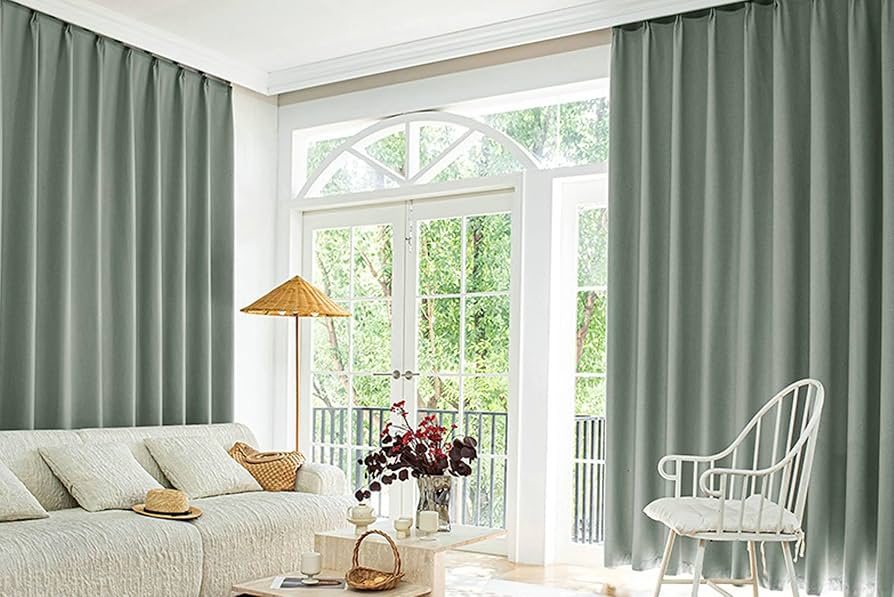
“Room darkening” is not the same as “sound reducing,” but heavier fabric helps, especially for higher-frequency noise. Velvet, thermal curtains, and multi-layer curtains are your friends.
- Choose extra-wide panels so the curtains look full (more folds equals more absorption).
- Hang them high and wide so they cover the wall around the window, not just the glass.
- If you can, use a wraparound curtain rod so the curtain returns to the wall and blocks edge gaps where sound sneaks in.
4) A packed bookcase on the shared wall
Cost: $$ (or $ if you already own one)
Effectiveness: Medium for voices and TV through walls
Best for: Neighbor TV, conversation through a thin party wall
If one wall is clearly “the noisy one,” placing a full bookcase against it adds mass and creates a small buffer. The key word is packed. Empty shelves do not do much.
- Fill with books, baskets of linens, or folded sweaters. Dense items help, and soft items cut down reflections in your room.
- Leave a tiny gap (even about 1/2 inch) between the back of the bookcase and the wall if you can. It can help a bit and it keeps the unit from rattling against the wall.
- If it is safe and stable, add a thick blanket or moving pad draped on the back side of the bookcase facing the wall.
Tip: In a studio, I like bookcases as “sound buffers” because they also double as storage and visual zoning.
5) Removable acoustic panels (the right way)
Cost: $$ to $$$
Effectiveness: High for echo, low to medium for neighbor noise
Best for: Echo in your unit, making calls clearer, reducing “loud room” vibes
Acoustic panels are often misunderstood. They are fantastic at absorption (echo), but they do not magically stop bass-heavy neighbor sound by themselves.
- Use command-style strips or removable mounting squares rated for the panel weight.
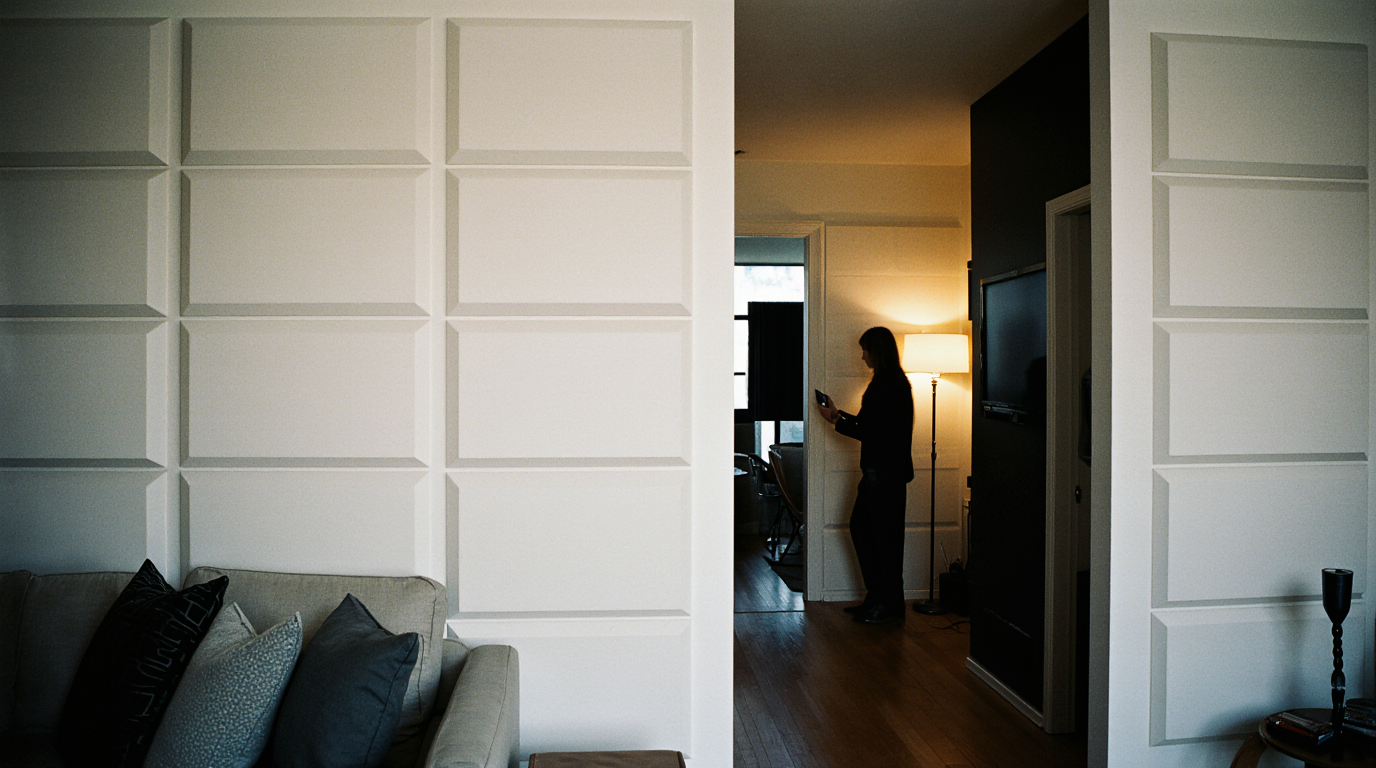
- Place panels where sound reflects: behind your desk, behind the TV, above the sofa, or on the wall you face during calls.
- If your goal is neighbor noise, combine panels with mass (bookcase, wardrobe) and sealing (door and window gaps).
6) Window gap fixes: rope caulk and removable seals
Cost: $
Effectiveness: Medium for street noise and drafts
Best for: Rattly windows, traffic noise, wind hiss
If you hear a “hiss” or feel a draft, sound is coming through the same cracks.
- Rope caulk: Press into gaps around window frames. It removes cleanly.
- Removable weatherstripping: Use for loose sashes or around frame edges that do not close tightly.
- Thick curtains: Pair these with sealing for a noticeable difference.
What to avoid: Permanent caulk, drilling into frames, or anything your lease prohibits. If you are unsure, test in a tiny corner first and confirm it removes without residue.
Do not seal what should breathe: avoid blocking radiator covers, bathroom vents, kitchen vents, or HVAC returns. Those exist for a reason.
7) Outlet and switch gaskets (quick and surprisingly helpful)
Cost: $
Effectiveness: Low to medium, best on leaky walls and for voice-range noise
Best for: That weird “whisper channel” effect on shared walls, drafts around outlet plates
If you can feel a draft near an outlet or switch plate on a shared wall, you are basically standing next to a tiny sound vent.
- Turn off the power at the breaker, remove the cover plate, and add a foam gasket behind it. Then reinstall the cover plate.
- Keep expectations realistic. This is a small fix, but in older buildings with lots of gaps, small fixes stack up.
8) Upholstery and soft bulk you already want anyway
Cost: $ to $$$
Effectiveness: Medium for echo, low to medium for general muffling
Best for: Making the whole place feel calmer and less loud
In small apartments, hard surfaces stack up fast: laminate, drywall, glass, metal. Adding a couple of soft anchors makes an immediate difference.
- Upholstered headboard or wall-hugging cushioned bench on the noisy wall
- Thick throw blankets (also great draped over a chair near a loud window)
- Fabric wall tapestry on a tension rod or removable hooks (best for echo)
9) White noise and masking (not soundproofing, but it saves sleep)
Cost: $ to $$
Effectiveness: High for perceived quiet, especially at night
Best for: Random voices, hallway bursts, city “peaks” that wake you up
This does not block sound. It covers it with something steadier so your brain stops snapping to every slam, laugh, or elevator ding. A dedicated white noise machine, a fan, or an air purifier can do the job.
Pick your plan: neighbor wall, hallway door, or street window
If noise is coming through the front door
- Door sweep plus perimeter weatherstripping
- Add a runner rug in the entry and a pad under it
- If you have a tiny vestibule or your door is in a nook, a heavier curtain just inside the entry can add absorption
If noise is coming through a shared wall
- Place a full bookcase or wardrobe along that wall
- Add absorption: thick curtain panel on a tension rod, or removable acoustic panels behind your seating or desk
- Move your bed so your headboard is not directly on the shared wall if possible
If noise is coming through windows
- Seal gaps with rope caulk or removable weatherstripping
- Hang heavy curtains high and wide, ideally with a wraparound rod
- Add a rug and soft furniture nearby to reduce the overall “brightness” in the room

What about bassy music?
If your main problem is low-frequency bass (subwoofers, thumping music), you are not imagining it: bass is the hardest apartment noise to tame because it travels through the structure. Renter-safe steps can still help, just in smaller increments.
- Start with the basics: seal door and window gaps so you are not listening to bass plus extra hiss and chatter layered on top.
- Add mass where it matters: a packed bookcase or wardrobe on the shared wall can slightly dull the rumble.
- Reposition your life: moving your bed or sofa a foot away from the shared wall can reduce how much vibration you feel.
- Mask at night: white noise can be the difference between waking up at 2 a.m. and sleeping through it.
Small-space soundproofing mistakes I see all the time
- Buying foam tiles expecting true soundproofing. Foam helps echo, not the neighbor’s subwoofer.
- Skipping the rug pad. The pad is where the sound improvement often happens.
- Only treating the middle of the window. Edge gaps matter. Go high, wide, and wraparound if possible.
- Ignoring the door. The cheapest, biggest win in many rentals is sealing door leaks.
- Making the room too empty. Minimal can still be soft. A couple of textiles and upholstered pieces change the acoustics dramatically.
FAQ
Can I actually soundproof an apartment without construction?
You can meaningfully reduce what you hear, especially voices, hallway noise, and echo. True soundproofing (as in studio-level isolation) usually requires construction like decoupling walls and adding layers, which is not renter-friendly. Think “calmer and quieter,” not “silent bunker.”
What helps most with loud neighbors talking?
Start with sealing air gaps (door weatherstripping if it is hallway chatter) and then add mass on the shared wall (a full bookcase, wardrobe, or dense storage). Acoustic panels help if your unit echoes, but sealing and mass usually move the needle more for speech.
What helps most with footsteps from upstairs?
Impact noise is the toughest. In your unit, you can reduce how loud it feels by adding soft layers (rugs, pads, upholstered pieces), but the biggest improvement usually comes from rugs upstairs. If you have a friendly relationship, a polite ask plus an offer to split the cost of a rug pad can work wonders.
Will heavy curtains block street noise?
They can reduce it, especially higher-frequency noise (tires on wet roads, voices, some traffic hiss). Combine curtains with window gap sealing for best results.
How do I avoid damaging paint with removable panels or hooks?
Clean the wall first, use strips rated for the item’s weight, and remove slowly by stretching the tab straight down. If your building is known for fragile paint, test one strip behind furniture before committing to a full wall.
Should I seal vents to stop noise?
No. Do not block bathroom or kitchen ventilation, HVAC returns, or anything related to combustion appliances. If sound is coming through a vent, focus on what you can safely treat around it (like adding absorption in the room) and talk to building management if the vent itself is unusually loud.
A quick, renter-safe shopping checklist
- Peel-and-stick or slide-on door sweep
- Foam or rubber door-frame weatherstripping
- Thick area rug plus thick felt rug pad
- Heavy curtains (thermal or velvet) with extra-wide panels
- Wraparound curtain rod (or rods that return to the wall)
- Rope caulk for window gaps
- Bookcase or storage unit for the shared wall
- Removable mounting strips for acoustic panels (if echo is a problem)
- Outlet and switch plate foam gaskets
- White noise machine or a basic fan (optional, but clutch for sleep)
Have a renter-safe trick that actually worked in your building, or a noise problem that feels impossible? Share it in the comments so other apartment dwellers can steal your best idea.