A renter-friendly, small-space plan for spotting roaches, tracking where they hide, monitoring with traps, using baits and gel correctly, sealing gaps, clean...
Space Ovo
Who Pays for Pest Control in a Rental Apartment?
Landlord or tenant: who pays for pest control? Learn typical responsibility rules for roaches, rodents, bed bugs, and fleas, plus how to document the issue, check your lease, and request treatment.

Maya Brooks
Maya Brooks is an interior stylist and layout enthusiast who believes square footage should never dictate your home's style. After a decade of navigating cramped city studios, she shares practical, renter-friendly decorating and storage solutions to help others maximize their tiny spaces.
I once lived in a 350-square-foot Brooklyn studio where the kitchen cabinets were basically my entire pantry, my entire dish storage, and apparently a very busy roach highway. Nothing makes a tiny space feel smaller faster than pests. You are not just annoyed, you are trapped with the problem.
So let’s talk about the question every renter asks the minute they spot a scurrying “roommate”: who pays for pest control in a rental apartment? The honest answer is: it depends on your lease, the cause of the problem, and your local landlord-tenant laws. But there are common patterns you can use to figure out what is fair, what is typical, and how to ask for help in a way that gets results.
The usual rule
In many places, landlords have a legal duty to provide a habitable home. Pest issues can fall under habitability, but what counts (and how fast a landlord must respond) varies widely by state, city, and building type. Some housing codes spell out specific obligations for public-health pests like rodents or bed bugs, while others treat certain insects more like a nuisance unless the issue rises to an infestation.
That said, when pests are present because of building conditions (gaps, leaks, shared walls, trash issues, other units), the landlord commonly has to address it as part of maintaining the property.
Tenants, meanwhile, typically have a duty to keep the unit reasonably clean and to avoid creating conditions that attract pests. If the infestation is clearly tied to tenant behavior (for example, repeated garbage buildup), the tenant may be responsible for costs, especially if the lease says so and local law allows it.
Important: local laws vary a lot. If you want the most accurate answer for your situation, check your city or state housing code (or a tenant hotline or legal aid site that summarizes it) before you assume you are on the hook.
What your lease says
Before you email your landlord, grab your lease and scan for these terms: pest, extermination, bed bugs, vermin, insects, maintenance, repairs, habitability, and tenant obligations.
Common clauses
- “Landlord will provide extermination as needed.” This is the cleanest language. Use it.
- “Tenant must maintain the premises in a clean and sanitary condition.” Standard clause. It does not automatically make you pay for pests, but it can be cited if the landlord thinks the issue is caused by housekeeping.
- “Tenant is responsible for pest control after move-in.” Common, and also commonly disputed if it conflicts with local habitability laws or if the infestation is building-wide. In many jurisdictions, landlords often cannot waive certain core habitability duties through lease language, but the details are local.
- “Tenant must report pests immediately.” Also common and important. Delays can make problems worse and can weaken your position later.
- Move-in condition disclosures (especially bed bug addenda). Some areas have bed bug statutes or local rules that require disclosures, educational notices, or specific procedures. Keep these documents.
If you find language that seems to make you responsible for everything no matter what, do not assume it is enforceable. Some lease terms are limited by local law, especially when the issue affects health and safety.
Who usually pays
Here are the most common “who pays” situations renters run into. These are typical patterns, not legal advice, and the final answer depends on your local law and the facts.
1) Roaches and ants
Often landlord-paid when it’s a building issue: cracks, moisture, shared walls, trash rooms, or multiple units affected. In multi-unit buildings, pests rarely respect lease lines.
Sometimes tenant-paid if the landlord can reasonably show it’s isolated to your unit and tied to tenant-caused conditions (food left out, unsealed trash, extreme clutter). Even then, many landlords still treat because it is cheaper than letting the problem spread.
2) Rodents
Usually landlord-paid because rodent control often requires building-level fixes: sealing entry points, repairing holes around pipes, addressing dumpsters, and sometimes coordinating across units. Rodents are also frequently tied to structural gaps, not just cleanliness.
3) Bed bugs
This is the tricky one. Bed bugs create immediate panic, and they are expensive to treat. Some jurisdictions have specific bed bug laws that spell out responsibilities, disclosures, and timelines, so it is worth checking your local rules early.
- Often landlord-paid if the infestation may be connected to other units or common areas, if it existed before you moved in, or if local law places bed bug responsibility on landlords.
- Sometimes tenant-paid if the landlord can show the tenant introduced them and the lease and local rules allow the cost to be passed on.
Because bed bugs spread between units, many housing codes and best practices treat them as a landlord-managed issue, even if a tenant may have brought them in. Landlords may still try to recover costs if they believe the tenant violated lease duties, but that is heavily jurisdiction-dependent.
4) Fleas
Often depends on pets and source. Fleas are commonly associated with pets, but they can also come from prior tenants, neighboring units, or wildlife (like squirrels in the attic).
- If fleas are linked to a tenant’s pet and the tenant failed to treat the pet or follow pet rules, landlords may argue the tenant pays.
- If fleas appear right after move-in, or the unit had a known issue, tenants may have a stronger case that the landlord should handle it.
5) Termites
Nearly always landlord-paid because this is a property maintenance and structural integrity issue. (There are edge cases, but in typical rentals, termites are not treated as a tenant expense.)
6) Bees and wasps
Often landlord-paid if nests are in building structure, walls, eaves, or common areas. If it’s something minor and clearly tenant-created (rare), it may be debated.
Tenant-caused or not
Landlords often decide responsibility based on whether the pest problem is isolated or building-related.
Likely building-related
- You see pests soon after moving in.
- Neighbors mention similar problems.
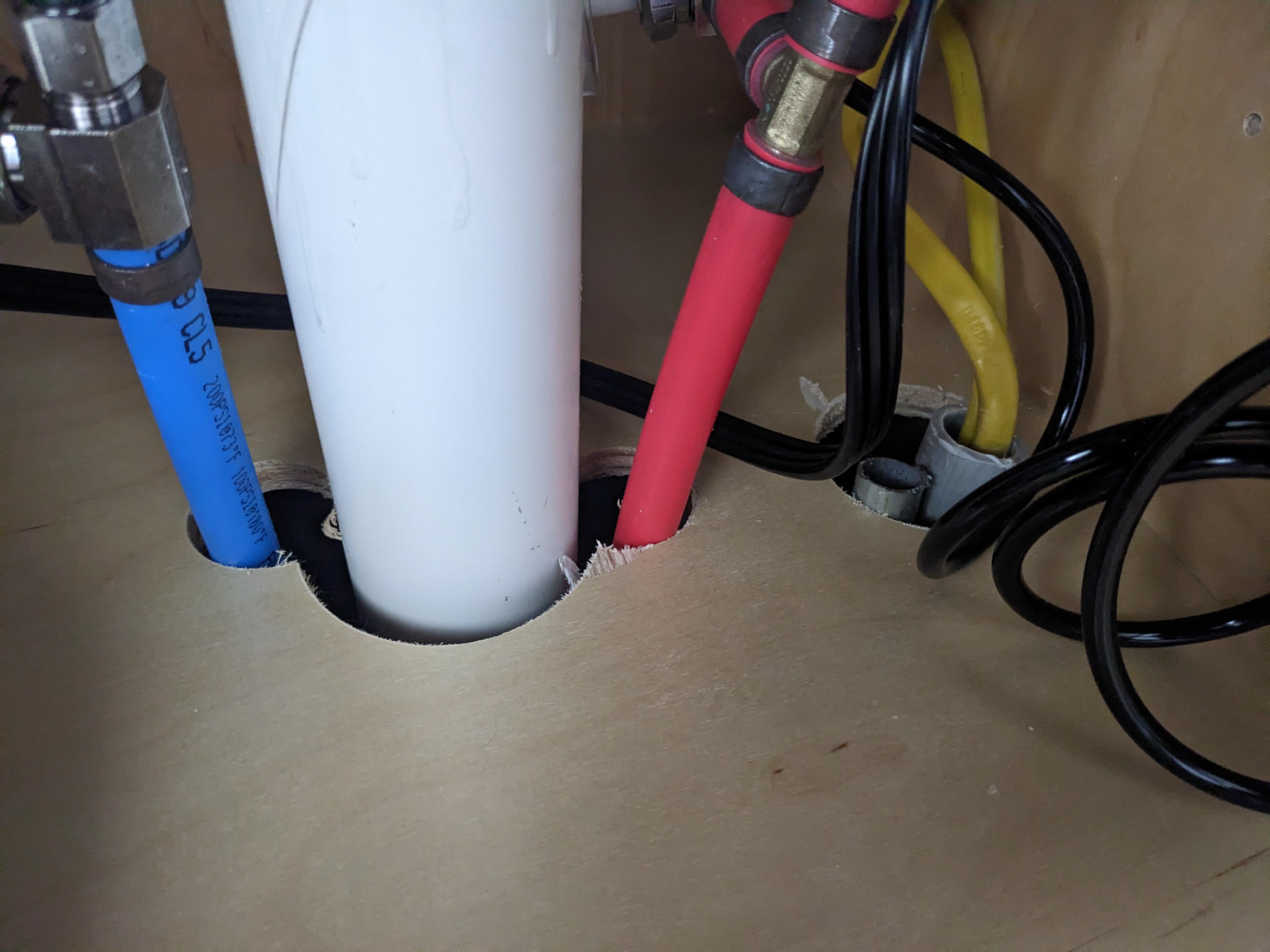
- You notice entry points: gaps under baseboards, holes around pipes, loose vents, broken screens.
- There is chronic moisture: leaks under sinks, sweating pipes, damp basements.
- Trash areas are overflowing or poorly maintained.
What a landlord might call tenant-caused
- Trash is not bagged or is stored inside for long periods.
- Food is routinely left out and unsealed.
- Heavy clutter makes treatment impossible (especially for bed bugs).
- A pet has fleas and is not being treated.
Even if some tenant habits contributed, the landlord may still be responsible for treating and for fixing entry points. “Clean more” is not a substitute for sealing holes and repairing leaks.
Document it
If I could hand every renter one tool, it would be a measuring tape. Gaps under doors and around pipes are basically pest welcome mats, and it helps to know what you are dealing with. If I could hand them a second, it would be a documentation checklist.
What to collect
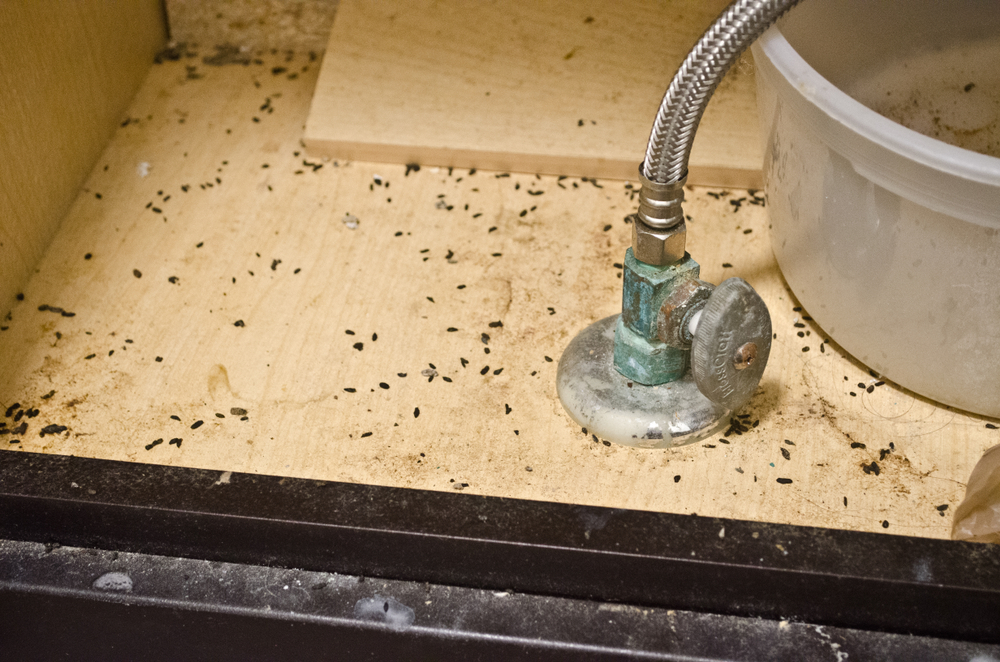
- Photos and videos of pests, droppings, damage, nests, and entry points (under-sink holes, gaps at radiators, torn screens).
- Dates and times you saw activity. Notes count.
- Locations within the apartment (kitchen sink cabinet, bathroom baseboard, bedroom closet corner).
- Communication log of every call, text, and email.
- Receipts if you bought temporary supplies (traps, caulk, storage bins) while waiting. Do not assume you will be reimbursed, but keep proof.
- Neighbor confirmations if they are willing (even a short text like “yes we have mice too”).
If the issue is severe, also document any related conditions that help show habitability concerns: water leaks, moldy areas, broken door sweeps, holes around plumbing.
Request pest control
Always put your request in writing, even if you had a friendly phone call. Writing creates a timeline, and it makes it easier for a landlord to route the issue to maintenance or a pest company.
What to include
- What you observed (type of pest, where, how often).
- When it started.
- Why you believe it needs professional treatment.
- A request for a specific next step (inspection, treatment, sealing entry points).
- Your availability for scheduling.
- Photos attached.
An example email
Subject: Pest issue in Unit 4B, requesting inspection and treatment
Hello Ms. Alvarez,
I am writing to report a pest issue in my apartment, Unit 4B. I have seen roaches in the kitchen sink cabinet and along the baseboard behind the stove since November 12. I have seen activity on five separate nights, most recently around 11 p.m. on November 26.
I am requesting that building management arrange a professional inspection and treatment, and that any entry points or contributing conditions be addressed. In particular, there is a gap around the plumbing under the sink and the cabinet floor looks damp. I am attaching photos and a short video.
I can provide access Monday through Thursday after 6 p.m., or Saturday morning between 9 a.m. and noon. Please let me know the earliest appointment available.
Thank you,
Jordan Lee
917-555-0142
After you send it, keep everything in one folder: your message, their reply, and any treatment instructions you are given.
If they say you pay
First, stay calm. This is a negotiation and a fact-finding exercise, not a personal dispute.
Step by step
- Ask what they are basing it on: the lease clause, a building policy, or a city or state rule.
- Request an inspection anyway, especially for rodents, roaches, and bed bugs. If it is building-wide, the evidence tends to show up fast.
- Point to timing: if the issue appeared soon after move-in, say so.
- Ask whether other units have reported issues. You may not get details, but the question signals that this may not be isolated.
- Offer cooperation: you will follow prep instructions, declutter access areas, seal food, take out trash nightly. Cooperation helps your case and helps the treatment actually work.
If you are in a city with a tenant union, a legal aid group, or a housing department that takes complaints, this is the moment to check their guidance. Local rules can be very specific about timelines, notices, and whether landlords can charge back extermination costs.
If you pay anyway
In a perfect world, you would not pay for something your landlord should handle. In the real world, some renters pay to stop the problem quickly, especially with bed bugs or rodents.
If you are considering paying for treatment yourself:
- Get written permission first if you want reimbursement. A clear text is better than nothing. Email is best.
- Use licensed professionals when possible. Many leases prohibit DIY pesticides or unapproved vendors.
- Do not do anything that makes the problem spread, especially with bed bugs. Moving untreated items into hallways or common laundry rooms can escalate building conflict fast.
- Keep receipts and reports from the vendor.
Also: avoid aggressive pesticide foggers in apartments unless a professional specifically instructs it. In small spaces with shared ventilation, you can create health and neighbor issues quickly.
If you are wondering about renters insurance, it typically does not cover extermination. In some cases it may help with certain personal property losses depending on the cause and your policy, but do not count on it without checking your coverage.
Prep, not blame
You can help the treatment work without admitting responsibility.
Low-drama prep
- Seal food in airtight containers and keep counters clear overnight.
- Take out trash nightly until the issue is resolved.
- Declutter floor edges so baseboards and under-sink areas can be treated.
- Do a gap audit: look under sinks, around radiators, behind stoves. Photograph gaps before you temporarily tape them or note them for maintenance.
- Launder and bag bedding if bed bugs are suspected, and follow the pest company’s prep instructions exactly.
Prep is teamwork. It is not an admission that you caused the problem.
When to escalate
If your landlord is not responding, or the infestation is serious, it can help to escalate through official channels. Exactly how to do this varies by location, so follow your city or county’s procedure.
- Call your local housing office or 311 (where available) to ask how to request an inspection or file a complaint.
- Use your local health department guidance when the issue involves rodents, bites, or conditions that affect sanitation.
- Get tenant advocacy help if you are stuck. Many cities have tenant unions, legal aid organizations, or hotline referrals that can explain next steps.
A quick caution: withholding rent or using “repair and deduct” can be legally risky if you do not follow your local rules exactly. If you are considering either, get local guidance first so you do not accidentally put yourself in an eviction fight.
FAQ
Is pest control a repair?
Often, yes. Many jurisdictions treat infestations as a habitability issue and landlords as responsible for addressing them, especially when the cause is structural or building-wide. But definitions and timelines are local, so it is worth checking your city or state code.
What if pests came from another unit?
That is common in apartments. Landlords may need to treat multiple units or common areas. Document what you are seeing and ask for an inspection. If you can, discreetly ask neighbors if they have noticed the same problem.
Can a landlord charge for extermination?
Sometimes, depending on your lease and local law, and especially if the landlord can show the problem was caused by a tenant’s actions. In many places, landlords cannot shift certain habitability obligations to tenants through a lease clause, but it is not identical everywhere. This is why local rules matter.
What if my landlord ignores me?
Follow up in writing with a clear timeline and restate your request for inspection and treatment. If there is still no response, check your city or county housing department procedures, tenant hotline, or legal aid resources for next steps. Many areas have formal complaint processes.
Do I have to let pest control in?
Often yes, with notice as required by your lease and state or local law, because treatment is maintenance. You also usually have to follow reasonable prep instructions. If the timing does not work, respond quickly with alternate availability so you are not labeled uncooperative.
The bottom line
In most rental situations, landlords pay for pest control when the issue is tied to building conditions or affects habitability, and tenants may pay when they clearly caused the problem and local rules allow it. Your best move is to (1) check your lease, (2) document everything, and (3) request inspection and treatment in writing as soon as you notice an issue.
And from one former tiny-apartment dweller to another: you deserve a home that feels breathable. Pests are not part of the “cozy charm.”