A renter-friendly breakdown of who usually pays for pest control, what your lease may say, how local laws affect it, and how to document and request treatmen...
Space Ovo
How to Tell If You Have Bed Bugs in Your Apartment
Learn the clear signs of bed bugs and how to inspect your mattress, bed frame, and nearby furniture for live bugs, shed skins, fecal spots, and stains. Plus, what to do next as a renter.

Maya Brooks
Maya Brooks is an interior stylist and layout enthusiast who believes square footage should never dictate your home's style. After a decade of navigating cramped city studios, she shares practical, renter-friendly decorating and storage solutions to help others maximize their tiny spaces.
I used to think I was “too tidy” to get bed bugs. Then I lived in a 350 square foot studio where my bed was basically within arm’s reach of my sofa, my suitcase, and my laundry hamper. In small apartments, everything sits close together, which means if bed bugs show up, they can spread fast and feel personal. It is not personal. Bed bugs are expert hitchhikers, not a reflection of how you live.
If you are waking up itchy or spotting suspicious marks, this guide will help you confirm what is going on. We are going to look for the signs that actually matter, how to do a thorough inspection with minimal chaos, and what to do next as a renter.
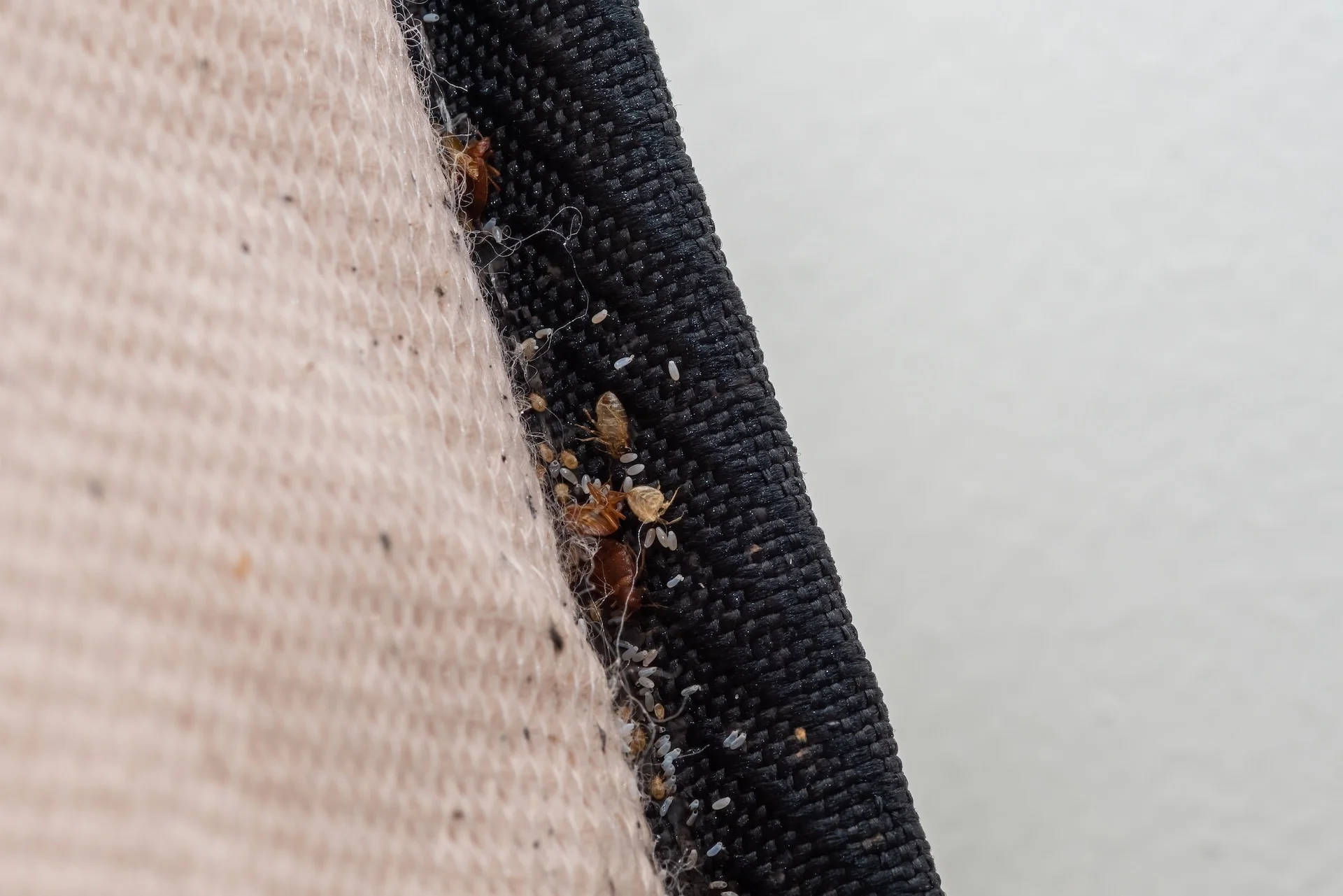
Quick signs that point to bed bugs
One clue usually is not enough. Bed bug evidence often shows up in clusters, but early infestations can be subtle and you might only see one or two signs at first. Here are the most common signs, roughly in order of how useful they are.
- Live bugs: Small, flat, oval insects, reddish brown. Adults are about the size of an apple seed. Nymphs are smaller and paler.
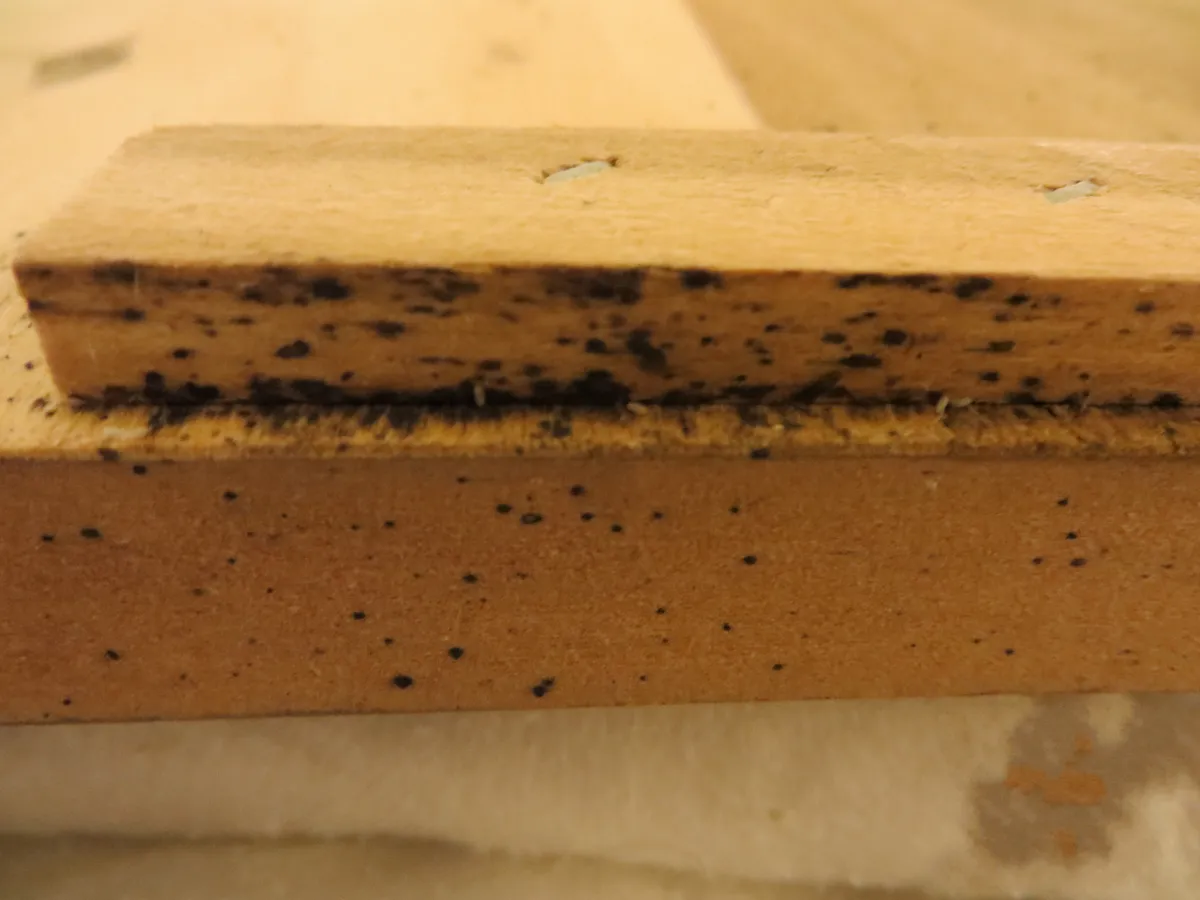
- Fecal spots: Tiny black dots that look like ink marks from a fine pen tip. Often along mattress seams, on the bed frame, or where fabric folds.
- Shed skins: Light tan, papery shells from growing nymphs. These collect in hiding spots.
- Eggs: Tiny, pearl-white, about 1 mm, often glued into cracks and seams.
- Blood stains: Rusty or reddish smears on sheets or pillowcases from crushed bugs or bites that bled slightly.
- Musty, sweet odor: In heavier infestations, some people notice a stale, sweet smell near the bed.
About bites: bed bug bites can be itchy and may appear in lines or clusters, but bite patterns are not reliable proof. Different bodies react differently, and other pests can cause similar welts.
Before you start
A calm inspection goes better, and it helps you avoid accidentally spreading anything.
- Pick a staging spot. Choose one hard, easy-to-clean surface (like a cleared section of floor or a table) where you set items while you inspect.
- Do not relocate clutter room-to-room. Moving piles is how a “maybe” problem becomes a whole-apartment problem.
- Bag and seal. If you bag items, seal the bag and keep it off beds and upholstered furniture.
- Take photos as you go. Clear, close shots of seams, spots, and any bugs help when you contact your landlord or a pro.
What you need for a proper inspection
You do not need special gear, but you do need good light and a little patience.
- A bright flashlight (your phone works, but brighter is better)
- A thin card (old gift card) to run along cracks
- Disposable gloves
- Clear tape or a small jar to capture a specimen
- A magnifying glass (helpful for eggs and nymphs)
- A trash bag for bedding and clutter you temporarily move
If you plan to email your landlord or property manager, keep your phone handy for clear, close photos.
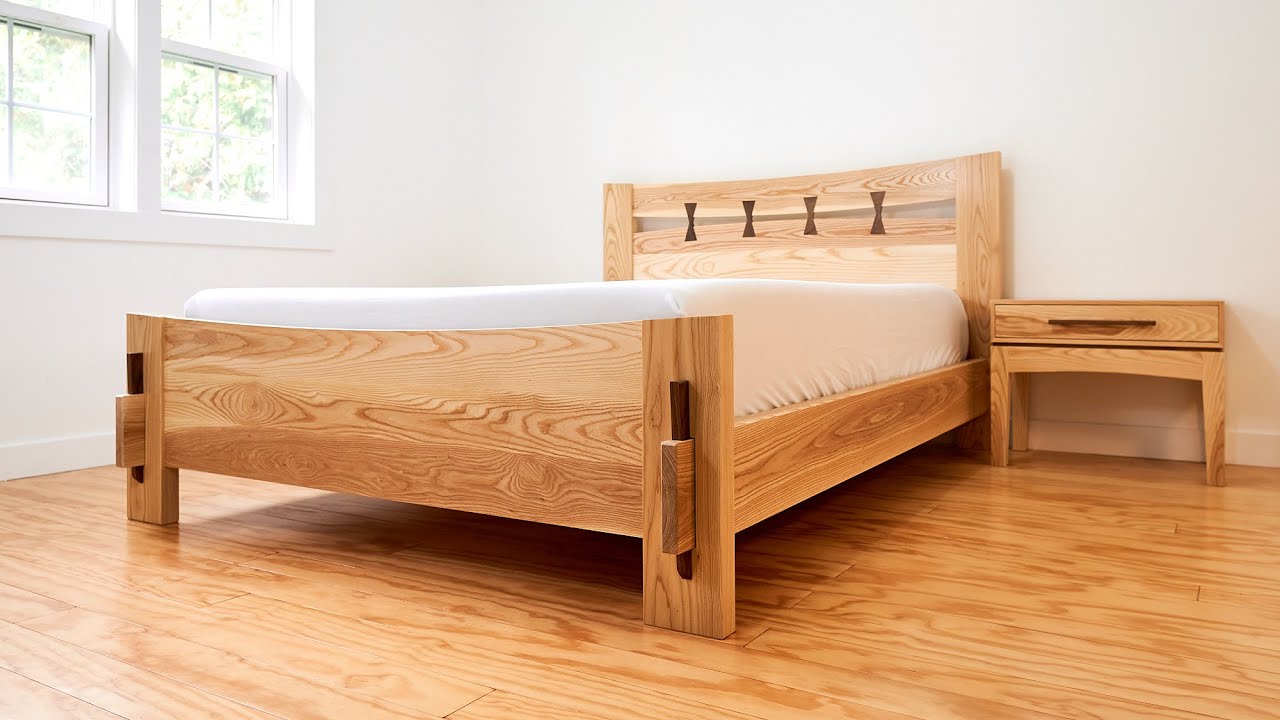
How to inspect your bed
In most cases, bed bugs stay close to where people sleep because they feed at night and then hide. Start with the bed, even if you have bites elsewhere.
1) Strip the bed and check the sheets
- Look for rust-colored blood smears and tiny black dots.
- Check along the top seams and edges where fabric folds.
- If you find suspicious spots, take a photo in good light.
Tip: Do not fling bedding around the room. Fold inward as you remove it. If you suspect bed bugs, bag bedding before carrying it to the washer.
2) Inspect the mattress seams and piping
Use your flashlight and slowly work your way around the mattress:
- Run a card along the seams, piping, and tags.
- Look under any handles and around buttons or tufting.
- Pay extra attention to the head end of the mattress.
You are looking for live bugs, shed skins, eggs, and fecal spots that soak into fabric like tiny ink stains.
3) Check the box spring
If you have a box spring, it is basically a bed bug condo because it is full of seams and wood joints with a fabric underside.
- Flip it carefully.
- Inspect the stapled fabric edges and seams.
- Look inside cracks where the wood frame meets.
If the bottom is covered with a thin dust cover fabric, you can still inspect along the perimeter seams. Do not rip it open unless a pest pro tells you to.
4) Inspect the bed frame and headboard
Bed bugs love tight, dark joints.
- Check screw holes, slats, and corner brackets.
- If you have a headboard, check the back side, especially where it meets the wall.
- For upholstered frames, check stitching, welting, and staple lines.
Where they hide beyond the bed
In a roomy home, bed bugs often cluster around the bedroom first. In a studio or one-bedroom, your “sleep zone” overlaps with everything else. A good rule of thumb is to widen your search within about 5 to 15 feet of where you sleep, while keeping in mind they can spread farther in heavier infestations or in multi-unit buildings.
Upholstered furniture
- Sofa seams and under cushions
- Velcro areas, zippers, and stapled fabric underneath
- Tufting, piping, and folds
Nightstands and dressers
- Drawer joints and tracks
- Underside corners
- Cracks where the back panel meets the frame
Walls and edges
- Baseboards and trim gaps
- Cracks in plaster or drywall seams
- Peeling wallpaper edges
Soft drop zones near the bed
- Laundry hampers and clothing piles
- Backpacks, purses, and tote bags
- Suitcases stored under the bed
- Pet beds (yes, really)
Electrical and hanging items
- Picture frames near the bed
- Curtain folds and curtain rod brackets
- Outlet covers near the bed (do not open outlets yourself)
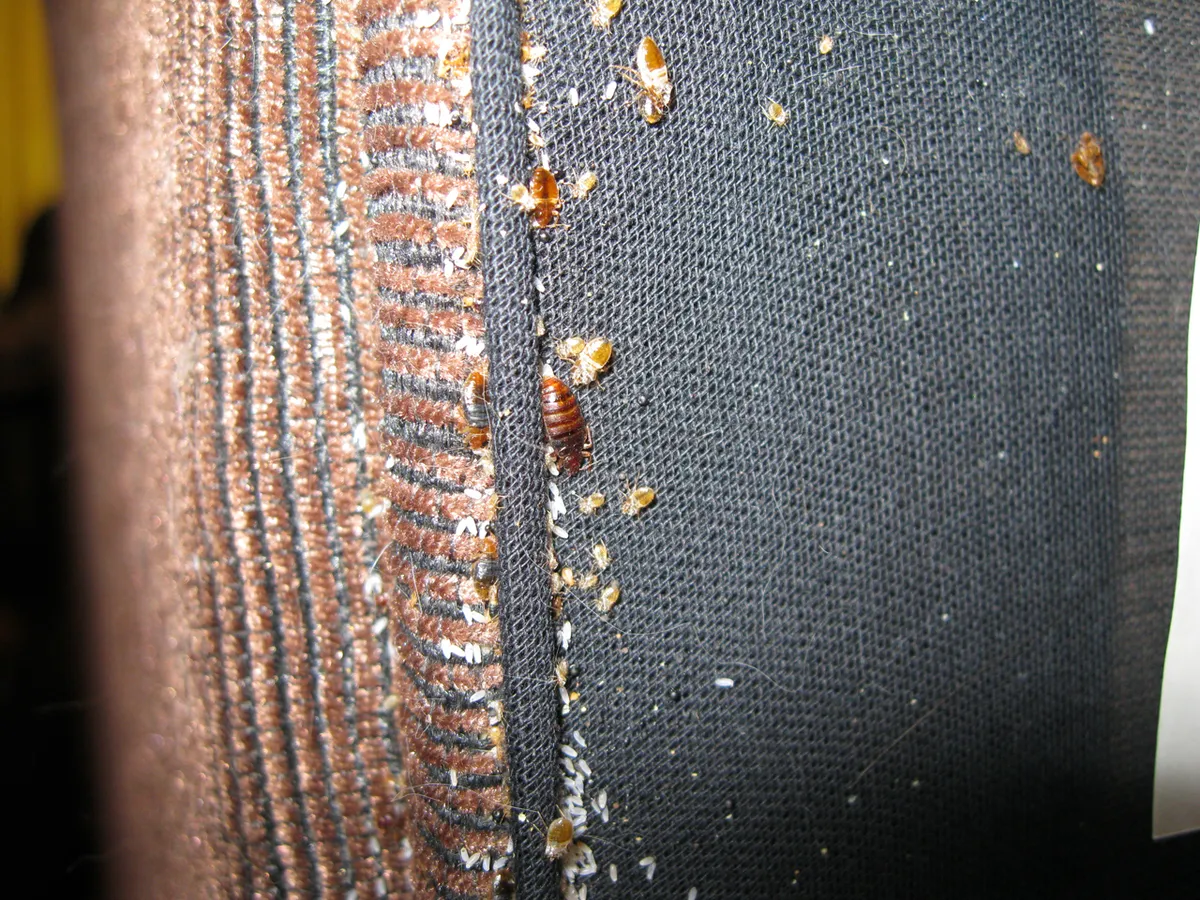
What bed bugs look like
- Adults: Flat, oval, reddish brown. About 4 to 7 mm long (apple-seed sized). After feeding, they look more swollen and darker.
- Nymphs: Smaller and lighter, sometimes almost translucent. Harder to spot.
- Eggs: Tiny, white, and slightly shiny. Often cemented into cracks.
If you spot something moving, try to capture it with clear tape or place it in a small sealed container. A photo is helpful, but physical confirmation is even better for a professional ID.
Evidence vs. random gunk
In real life, apartments come with lint, specks, coffee drips, and mystery marks. Here is how to separate the signal from the noise:
- Fecal spots usually look like black pepper dots or ink marks, and they often appear in clusters along seams and corners. A common at-home check is to lightly dab with a barely damp paper towel. They may smear brownish, but this is only a clue, not a definitive test.
- Blood stains tend to be rusty red and irregular, not perfectly round.
- Shed skins look like a bug-shaped, papery shell, often near hiding spots.
If you only see one dot, do not panic. If you see dots plus shed skins, you find a live bug, or you keep seeing new spots in the same seam, that is when I start treating it as highly suspicious.
Look-alike bugs to rule out
Part of the bed bug stress is that lots of tiny insects are the same “ugh, no” size. These are the most common look-alikes renters confuse with bed bugs.
Carpet beetles
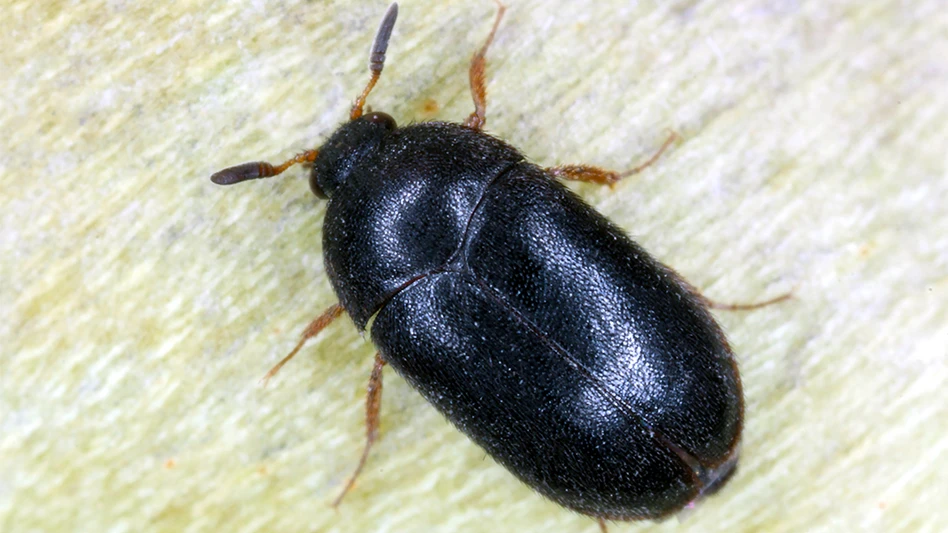
Carpet beetles are often found near windowsills or in closets, and their larvae can cause skin irritation in some people. Adults can be tiny and oval, but many have a mottled pattern. They do not usually hide in mattress seams the way bed bugs do.
Fleas
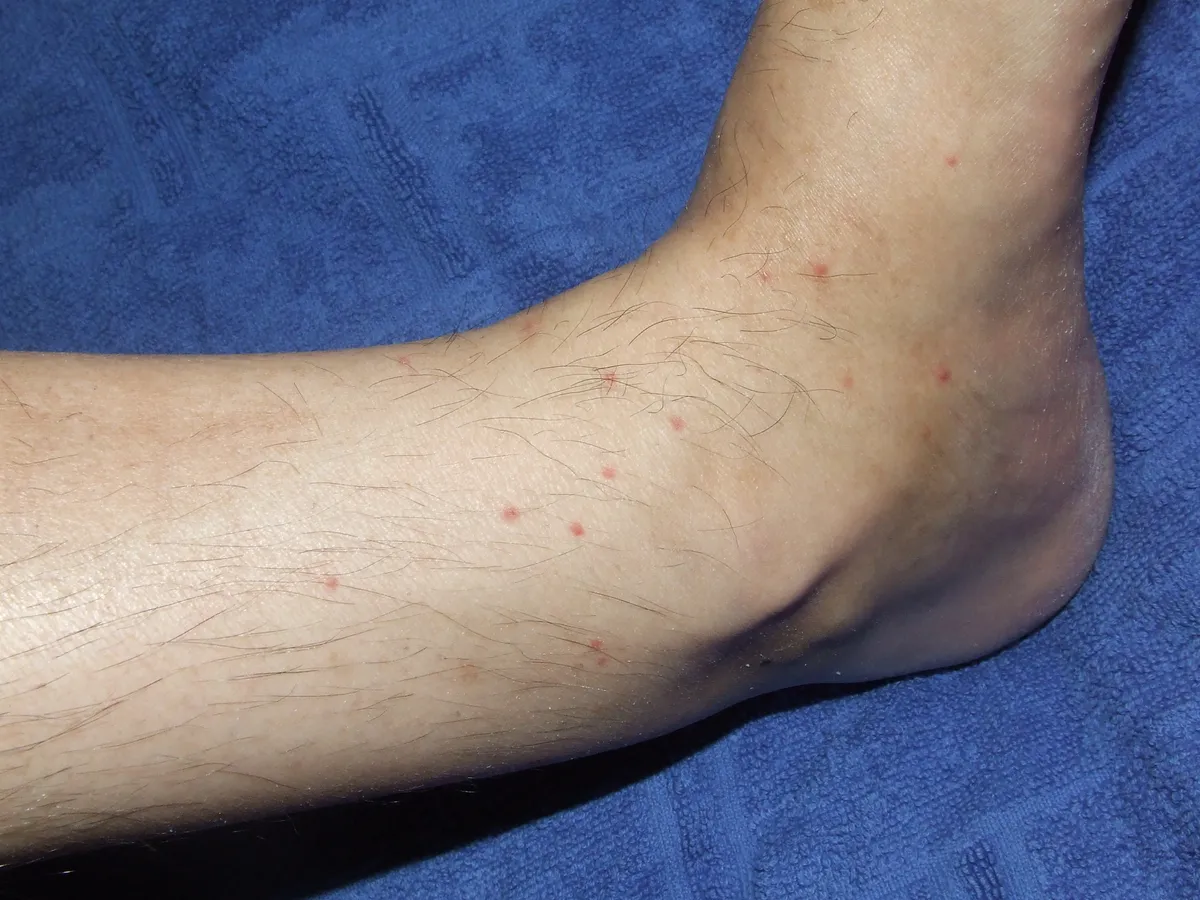
Fleas are smaller, darker, and built for jumping. If you see an insect that jumps quickly when disturbed, think fleas. Flea bites also often show up around ankles and lower legs, especially if you have pets.
Booklice
Booklice are very small and pale, and they show up in humid areas around paper, pantry items, or damp corners. They are not blood feeders.
Roach nymphs
Baby roaches can be small and brown, but their body shape is different, and you are more likely to see other roach evidence like droppings in kitchens and bathrooms.
Ticks
Ticks are rounder, with more visible legs, and they tend to latch on. If you find an attached tick, remove it safely and consider medical guidance, especially if you are in a region with tick-borne illness risk.
If you think you found them
Your goal in the first 24 hours is to confirm, document, and avoid spreading them.
- Do not move to the couch. It is tempting, but it can spread bed bugs to a second sleeping area. If you must sleep elsewhere, keep it isolated and inspect that area carefully.
- Do not drag soft items through the apartment. Bag items before moving them to laundry.
- Launder strategically. Heat is your friend. Wash and dry bedding on the hottest settings the fabric can handle. Drying on high heat is often the key step.
- Reduce bedside clutter. Clear the floor around the bed so pros can treat effectively and so you can monitor.
- Document evidence. Take photos of spots, shed skins, and any bugs. Note dates and where you found them.
- Capture a specimen if you can. Tape or a sealed container helps a professional confirm.
Skip the “fogger” or bug bomb. They are generally ineffective against bed bugs and can scatter them into new hiding spots, which can complicate treatment.
Also skip DIY spraying frenzies, especially with rubbing alcohol. Aside from being a fire hazard, it is not a reliable solution and can turn your apartment into a stressed-out chemistry experiment without fixing the root problem.
Next steps that actually help
These are renter-friendly options that can support professional treatment or help you monitor while you wait for an inspection. They are tools, not magic spells.
Mattress and box spring encasements
A quality encasement can trap any bugs already inside and make future inspections easier because there are fewer seams to hide in. It is not a cure on its own, but it can be a very useful part of a plan.
Interceptor cups
Interceptor cups under bed and sofa legs can help you monitor whether bugs are trying to climb up or down. They also give you a place to check regularly without tearing your bed apart every night.
Clothes you cannot hot-wash
If you are dealing with clothing or fabrics that cannot handle hot water, consider:
- High-heat dryer only if the item can safely tolerate it (always check the care label).
- Isolation by sealing the item in a bag until you can get professional guidance.
When to call a professional
If you have any of the following, it is time to bring in a licensed pest control professional:
- You found a live bug, shed skins, or eggs.
- You see multiple fecal spot clusters in seams, frame joints, or upholstery.
- Bites or symptoms are continuing and you cannot find another clear cause.
- You live in a multi-unit building and worry it could spread between units.
Professional treatment is also the fastest way to stop the mental spiral, which I say with full empathy. It is hard to feel at home when your bed feels suspicious.
How to tell your landlord
As a renter, loop in your landlord or property manager as soon as you have credible evidence. Bed bugs can become a building-wide issue, and early reporting helps everyone.
What to include
- When you first noticed signs (date)
- What you found (live bug, fecal spots, shed skins, stains)
- Where you found it (mattress seam near headboard, box spring underside, sofa zipper seam)
- Photos or a note that you captured a specimen
- A request for a licensed pest inspection and next steps
How to say it
Keep it factual and action-oriented. For example: you found suspected bed bug signs, you have photos, and you are requesting an inspection and treatment plan. Avoid blame language. In most buildings, speed matters more than assigning fault.
If you are worried about retaliation or a dispute over responsibility, consider keeping communication in writing (email or the building portal) and saving a copy of everything you send and receive. Responsibilities and timelines can vary by city, state, or province, so it is worth checking your local tenant resources if you hit pushback.
Inspection checklist
- Sheets and pillowcases: blood smears, black dots
- Mattress seams and tags: fecal spots, shed skins, eggs
- Box spring underside and frame: seams, stapled edges, wood joints
- Bed frame and headboard: screw holes, corner joints, back of headboard
- Nightstand and dresser: drawer joints, underside corners
- Sofa and upholstered chairs: cushion seams, zippers, underside fabric
- Baseboards near bed: cracks and gaps
- Drop zones: hamper, suitcase, bags near sleeping area
FAQ
Can you have bed bugs and not see them?
Yes. Early infestations can be hard to spot because nymphs are tiny and hiding spots are tight. That is why fecal spots and shed skins around seams and joints can be more revealing than trying to catch a live bug.
Do bed bugs only live in beds?
No. They prefer to hide near where people sleep, but they can spread into sofas, upholstered chairs, nightstands, and cracks along baseboards, especially in small apartments where everything is close together.
If I find bed bugs, should I throw away my mattress?
Not automatically. Disposal does not solve the problem if bugs are also in the frame, box spring, sofa, or walls. A professional can tell you whether treatment is realistic for your setup. If you do discard items, follow local rules and mark them clearly so no one takes them home.
Are bed bug bites dangerous?
Bed bugs are not known for spreading disease in real-world settings and there is no confirmed transmission like you see with mosquitoes. But bites can cause itching, allergic reactions, and secondary skin infections from scratching. If you have severe swelling, signs of infection, or symptoms that worry you, seek medical advice.