Beat fleas with a practical, room-by-room approach: pets first, then floors, fabrics, and prevention. Includes timelines, product options, and renter-friendl...
Space Ovo
What Flea Bites Look Like (and How to Treat Them)
Flea bites are small, intensely itchy bumps that often cluster around ankles and lower legs. Learn how to identify them, how long they last, how to treat the itch, how to stop repeat bites, and when to see a doctor.

Maya Brooks
Maya Brooks is an interior stylist and layout enthusiast who believes square footage should never dictate your home's style. After a decade of navigating cramped city studios, she shares practical, renter-friendly decorating and storage solutions to help others maximize their tiny spaces.
I have lived in enough “cozy” apartments to know the exact moment your brain goes from Is my skin just dry? to Okay, something is biting me. Flea bites can feel extra rude because they are small, sneaky, and ridiculously itchy. The good news: for most people, you can treat flea bites at home and get comfortable again fast.
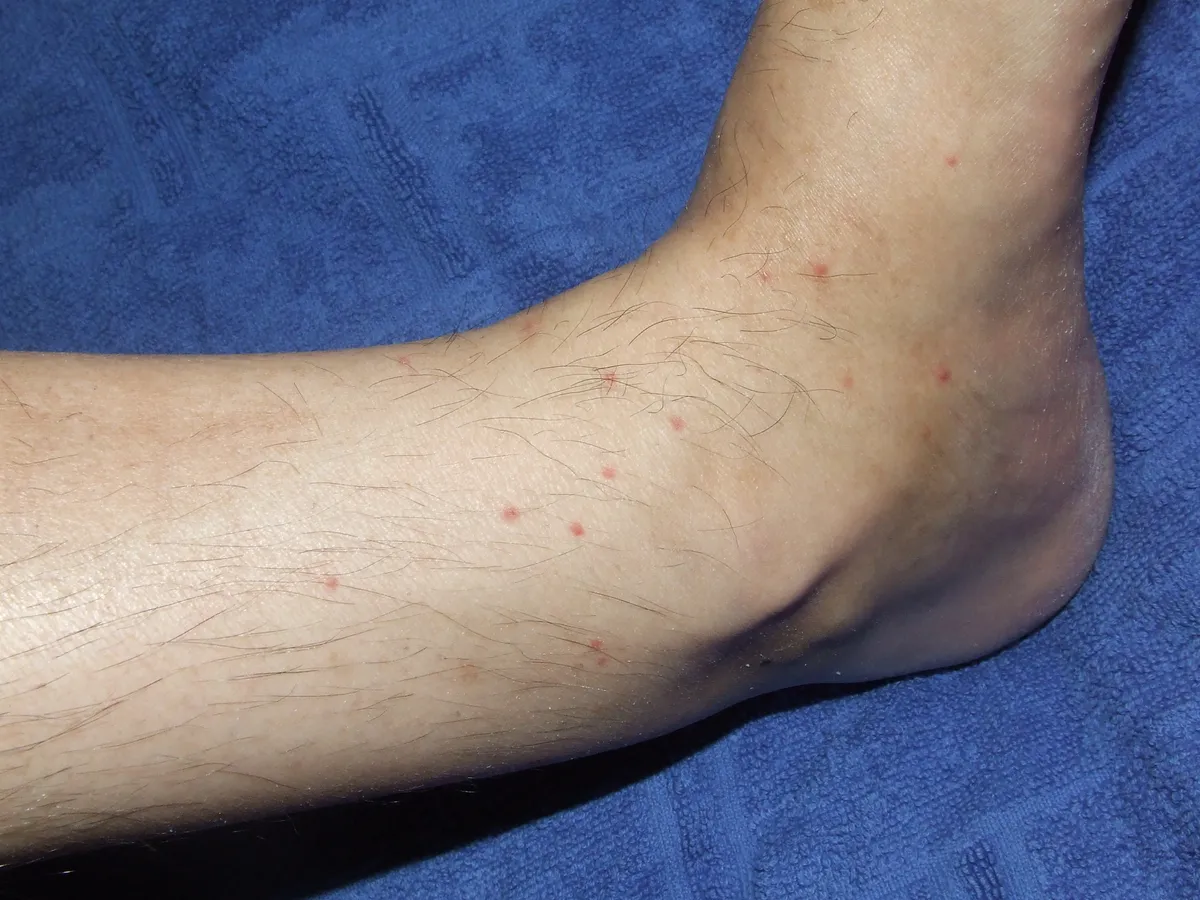
This guide focuses on what flea bites look like on human skin, how long they typically last, and the simplest, safest ways to calm the itch, prevent infection, and stop repeat bites.
What do flea bites look like on humans?
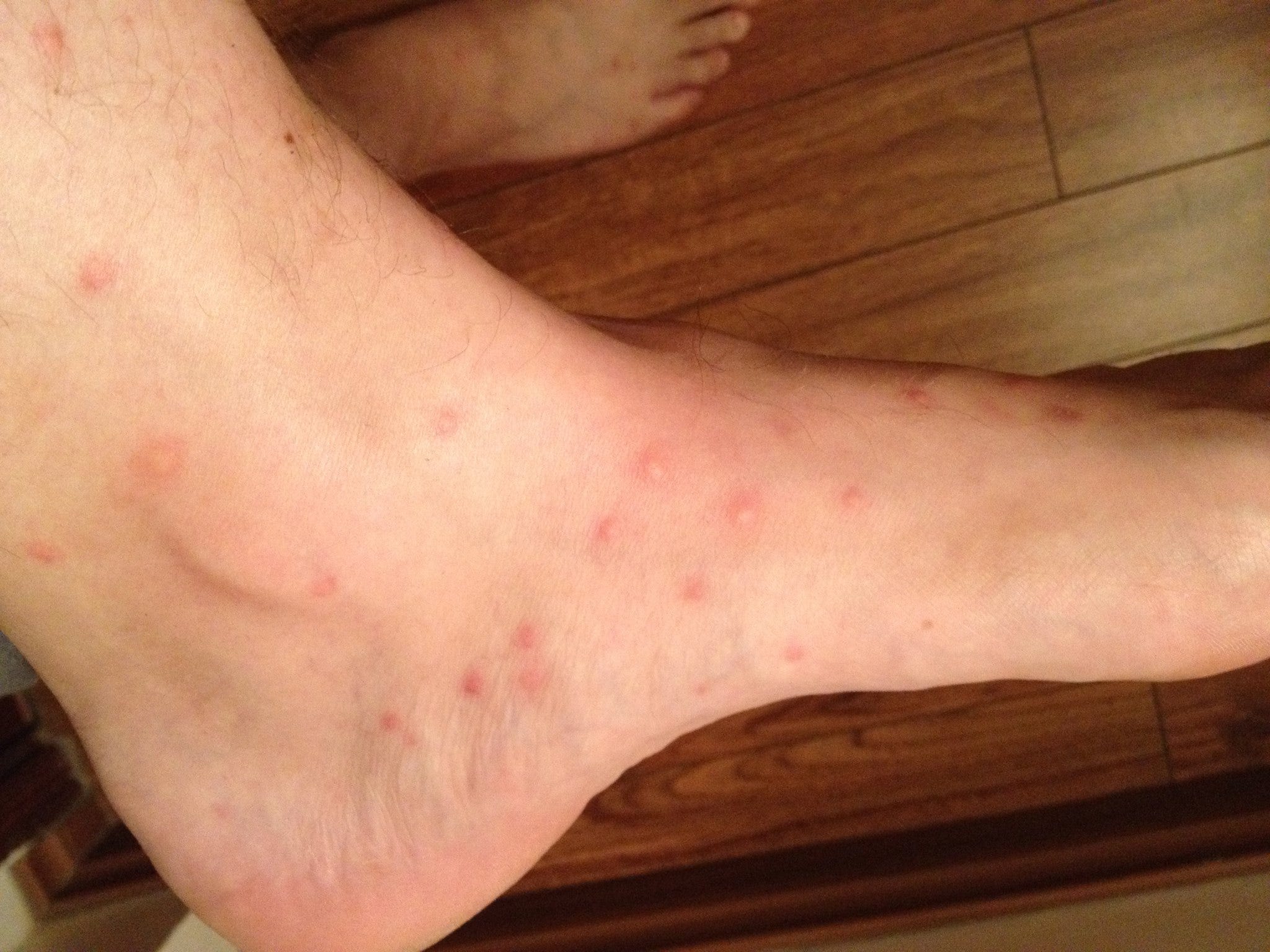
Flea bites are usually small red bumps that itch intensely. They can look similar to other bites at first, but there are a few common patterns.
Typical appearance
- Small, red, raised bumps (often just a few millimeters wide)
- A tiny central dot may be visible where the flea bit
- Skin around the bump can look slightly swollen or irritated
- On some skin tones, the bumps may look more pink, purple, or darker brown than bright red
Common placement
Fleas tend to bite low to the ground, so bites often show up:
- Around ankles
- On lower legs
They can also show up in other spots, especially if you were sitting or lying on an infested rug, couch, or pet bedding:
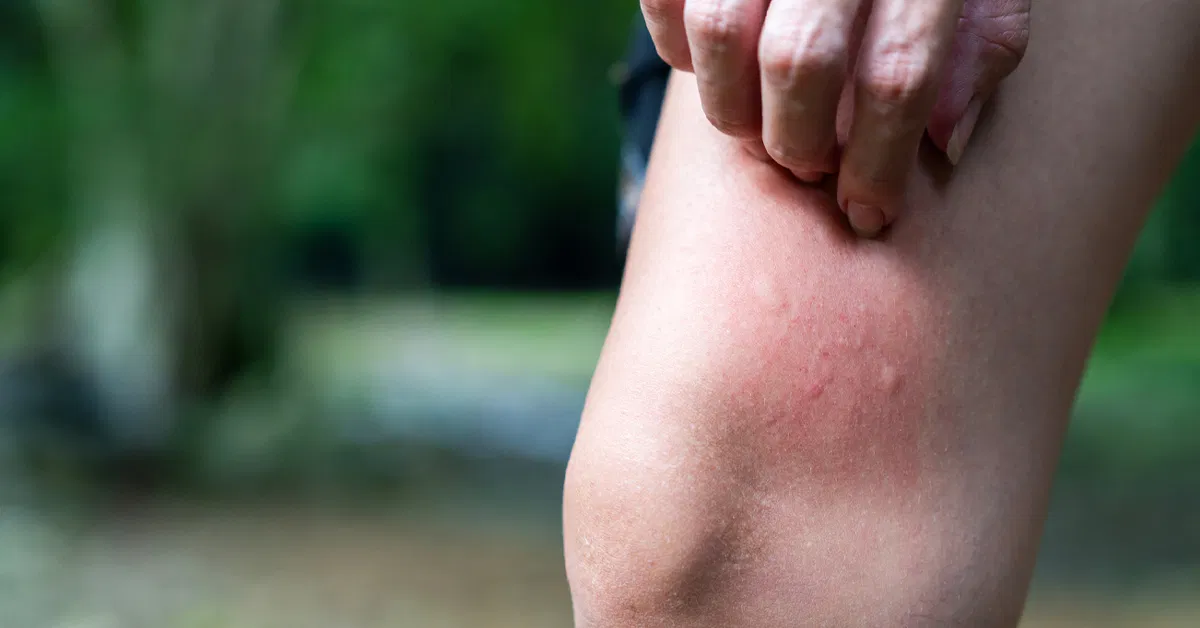
- Behind knees
- On the waistline or other snug clothing areas (elastic bands can trap fleas)
Another clue is that bites may appear in small clusters or short lines, rather than one isolated spot.
How flea bites feel
Most people describe flea bites as:
- Very itchy, often more than you would expect for how small they look
- Itch that can feel delayed (you may not notice the bite right away, then it ramps up)
- A warm, irritated sensation if you scratch
How long do flea bites last?
For many people, flea bites improve within a few days, but the timeline depends on how sensitive your skin is, how much you scratch, and whether you keep getting exposed.
- Itching: often worst in the first 24 to 48 hours, then gradually fades
- Bumps: commonly last several days
- Marks or discoloration: can linger 1 to 2 weeks (sometimes longer if you tend to get post-inflammatory hyperpigmentation or if the bites were heavily scratched)
If you keep getting new bites each day, the issue may not be that your skin is “not healing.” It may be that you are still being exposed, or that new fleas are emerging in your home.
How to treat flea bites at home
The goal is simple: reduce itching, reduce inflammation, and protect the skin barrier so you do not end up with an infection from scratching.
1) Wash the area
As soon as you can, wash the bites gently with soap and water. If bites are on your legs or ankles, it also helps to:
- Change into clean clothes
- Wash the clothing you were wearing (and any bedding that touched your skin) in warm or hot water if possible
- Shower if you suspect you were exposed on fabric furniture, rugs, or pet bedding
2) Cool it down
A cold compress can quickly take the edge off itching and swelling.
- Wrap ice or a cold pack in a clean towel
- Apply for 10 minutes
- Repeat a few times a day as needed
3) Use an over-the-counter itch reliever
Pick one option and see how you do. You do not need to stack everything.
- 1% hydrocortisone cream: Helps calm inflammation and itch. Apply a thin layer as directed on the label. Avoid using it on open skin, and avoid the face or groin unless a clinician tells you to. If you need it for more than about a week, or you are using it on a child, check in with a clinician.
- Calamine lotion: Can soothe itchy, irritated skin and feels cooling as it dries.
- Oral antihistamine: Helpful if itching is keeping you up or you are having a bigger skin reaction. Non-drowsy options can be used during the day, while a drowsy option may help at night. Follow the package directions and check with a clinician if you are pregnant, nursing, or taking other medications.
4) Protect the bites from your own nails
I know, I know. “Don’t scratch” is the least helpful advice when your ankles feel like they are vibrating with itch. Instead, make scratching harder to do accidentally:
- Keep nails short and smooth
- Cover the area with loose, breathable clothing if possible
- At night, consider lightweight socks to reduce unconscious scratching
5) If the skin is broken, treat it like a tiny wound
If you already scratched a bite open:
- Wash with soap and water
- Pat dry
- Apply a small amount of plain petroleum jelly to keep it from cracking
- Cover with a clean bandage if clothing will rub it
What not to do
- Do not scratch until you bleed. That is the fast track to infection and longer-lasting marks.
- Do not use heavily fragranced products on irritated bites. They can sting and worsen redness.
- Do not overuse topical numbing creams like benzocaine or lidocaine unless a clinician advises it. These can trigger irritation or allergic contact dermatitis in some people, especially when applied repeatedly or over large areas.
- Do not assume “more product = faster healing.” Over-applying creams can irritate skin.
How to stop getting bitten
If you treat your skin but do not treat the source, you can end up in a loop of “healing” that never really finishes. The goal here is to cut off repeat exposure.
Start with pets
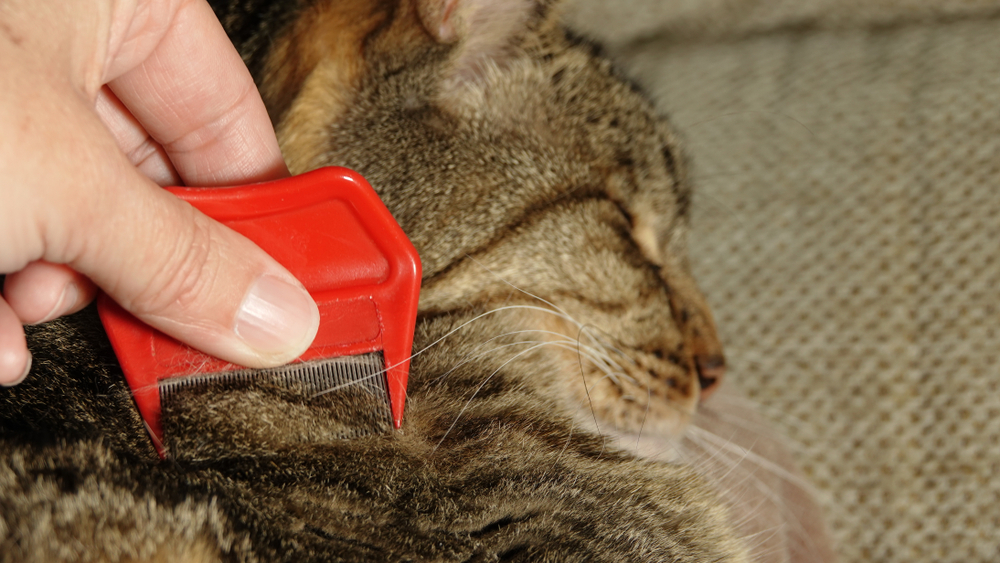
- Use a vet-recommended flea prevention product for cats or dogs in the home. If you are unsure what is safe for your specific pet, call your vet.
- Check any other animals that spend time in your space (including visiting pets).
Hit the soft surfaces
- Wash pet bedding, throws, and your bedding in hot water if the fabric allows, then dry on high heat.
- Vacuum carpets, rugs, upholstered furniture, and along baseboards. Empty the vacuum canister outdoors afterward if you can.
Know the timing
Even after you start treating the problem, you may still see bites for a short period because newly emerged fleas can keep popping up. If you are dealing with a heavy infestation, or you are not seeing improvement after taking the steps above, professional pest control can help.
Could it be something else?
Sometimes a “bite” is not a bite, and sometimes it is the other kind of bite. Consider getting help confirming the cause if the pattern is confusing or the itching is intense.
- Bed bugs: Often bite exposed skin during sleep and may leave clusters or lines. You might notice signs around the bed (small dark spots, shed skins) rather than around pet areas.
- Mosquitoes: Tend to cause larger, puffier welts and can show up anywhere exposed.
- Chiggers: Often bite where clothing is tight after time in grassy or wooded areas.
- Scabies: Causes very itchy bumps and burrows, often worse at night, commonly on wrists, finger webs, waist, and groin. This needs prescription treatment.
- Dermatitis: Fragrance, detergent, or fabric irritation can mimic bites, especially if the bumps are more patchy than clustered.
When to see a doctor
Most flea bites are annoying but harmless. Get medical care if you notice signs of infection, a strong allergic reaction, or symptoms that do not match a simple bite.
Signs of infection
Call a clinician if a bite becomes:
- Increasingly red, hot, swollen, or painful
- Filled with pus, oozing, or crusting that spreads
- Surrounded by redness that keeps expanding over 24 to 48 hours
- Accompanied by fever or feeling unwell
Possible allergic reaction
Some people have a bigger reaction to flea saliva. Seek urgent care if you have:
- Hives or widespread rash beyond the bite areas
- Swelling of the lips, tongue, face, or eyelids
- Trouble breathing, wheezing, or throat tightness
- Dizziness or fainting
If you feel sick, not just itchy
Fleas can carry germs in some regions. Most people with flea bites will not get sick from them, but if you develop fever, swollen lymph nodes, a worsening headache, or you feel generally unwell after suspected flea exposure, it is worth calling a clinician.
If the bites are not improving
If the itching and bumps are not noticeably better after about a week, or you are unsure whether the bumps are actually bites, a clinician or dermatologist can help confirm what is going on and suggest stronger treatments.
Quick FAQ
Why are flea bites usually on ankles and legs?
Fleas often live and travel close to floors, rugs, pet bedding, and upholstered furniture. Ankles and lower legs are simply the easiest skin for them to reach.
Can flea bites appear on arms or torso?
Yes. It is less classic, but it can happen, especially if you were sitting or lying on an infested couch, carpet, or bed, or if fleas are in clothing or bedding.
Do flea bites have a center dot?
Often they do. You may see a pinpoint mark where the mouthparts pierced the skin, but it is not always visible.
Do flea bites go away on their own?
Usually, yes. They tend to resolve with basic skin care and itch control. The most important thing is preventing scratching and stopping repeat exposure so you are not restarting the clock with new bites.
The bottom line
Flea bites on humans are usually tiny, itchy bumps that often show up in clusters, especially around ankles and lower legs. Most clear up in a few days, though discoloration can linger longer. Wash the area, cool the itch, use a simple over-the-counter anti-itch option, and keep the bites clean if you scratched them open.
If you see spreading redness, pus, fever, or signs of an allergic reaction, get medical care right away. And if you are still getting new bites, treating your skin is only half the job. Your home can be “cozy” without also being itchy.