A renter-friendly, no-panic plan to eliminate drain flies: identify them, confirm the breeding drain with a tape test, remove the biofilm with scrubbing and ...
Space Ovo
Fungus Gnats in Houseplants: 7 Small-Apartment Fixes
Fungus gnats love damp potting soil. Learn how to tell them from fruit flies and drain flies, then try 7 renter-friendly fixes like drying out soil, bottom watering, sticky traps, sand or gravel top-dressing, mosquito bits (BTI), and repotting.

Maya Brooks
Maya Brooks is an interior stylist and layout enthusiast who believes square footage should never dictate your home's style. After a decade of navigating cramped city studios, she shares practical, renter-friendly decorating and storage solutions to help others maximize their tiny spaces.
The first time fungus gnats showed up in my studio, I thought they were fruit flies and went on a very heroic vinegar-trap spree. The gnats were not impressed. They just kept doing lazy little loops around my pothos like they owned the lease.
If you live in a small apartment, these tiny bugs feel extra personal because there is no “other room” for them to haunt. The good news: fungus gnats are beatable with a few cheap, tidy tactics and a little watering discipline.
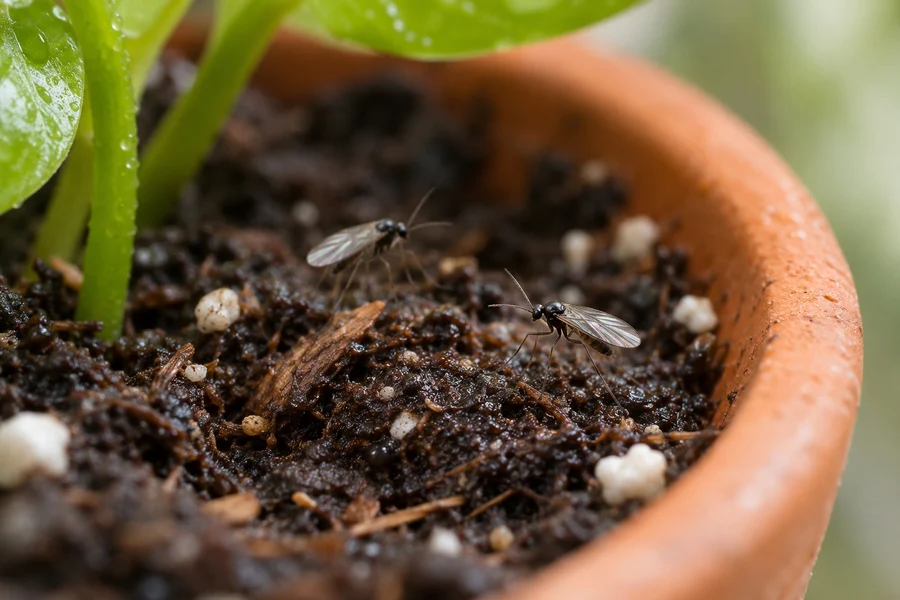
First, confirm it is fungus gnats
Correct ID matters because the fixes for fruit flies and drain flies focus on kitchens and plumbing, while fungus gnats are usually a houseplant soil problem.
Fungus gnats
- Where you see them: hovering near pots, crawling on the soil surface, clustering around drainage holes and saucers.
- What they look like: tiny dark “mosquito-like” flies with long legs. They tend to fly poorly and stay close to plants.
- Big clue: you water, and suddenly more appear in the next day or two.
Fruit flies (common kitchen pests)
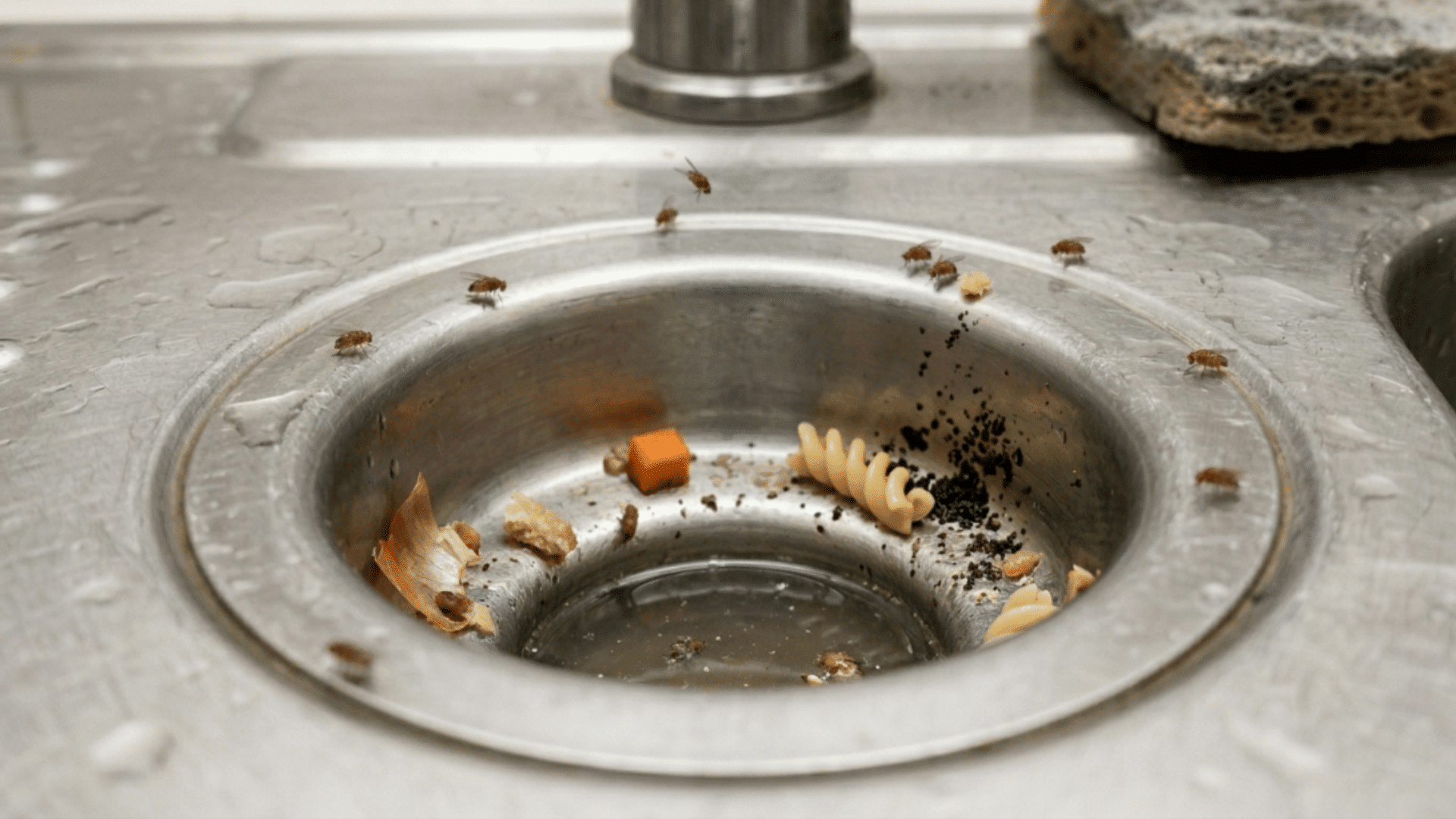
- Where you see them: around fruit bowls, trash, recycling, empty bottles, compost bins.
- What they look like: small tan to brown flies, often with noticeable red eyes, that move fast and love fermenting smells.
- Big clue: vinegar or wine traps catch lots of them.
Drain flies (a plumbing issue)
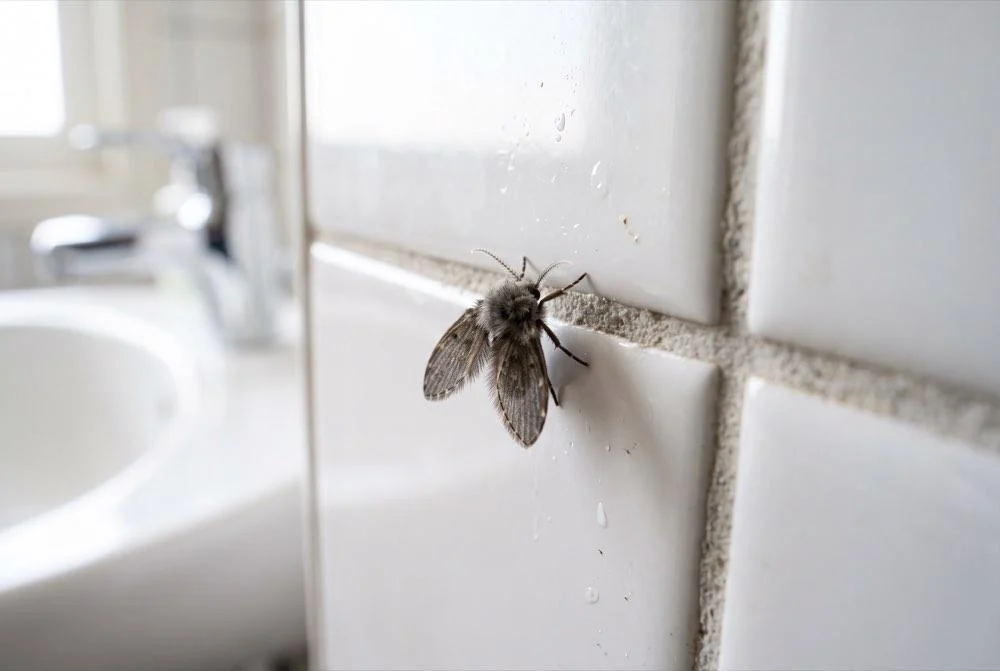
- Where you see them: sinks, shower drains, around bathroom floors near drains.
- What they look like: tiny “moth-like” flies with fuzzy wings that rest on walls near drains.
- Big clue: they keep returning to the same drain even when there are no plants nearby.
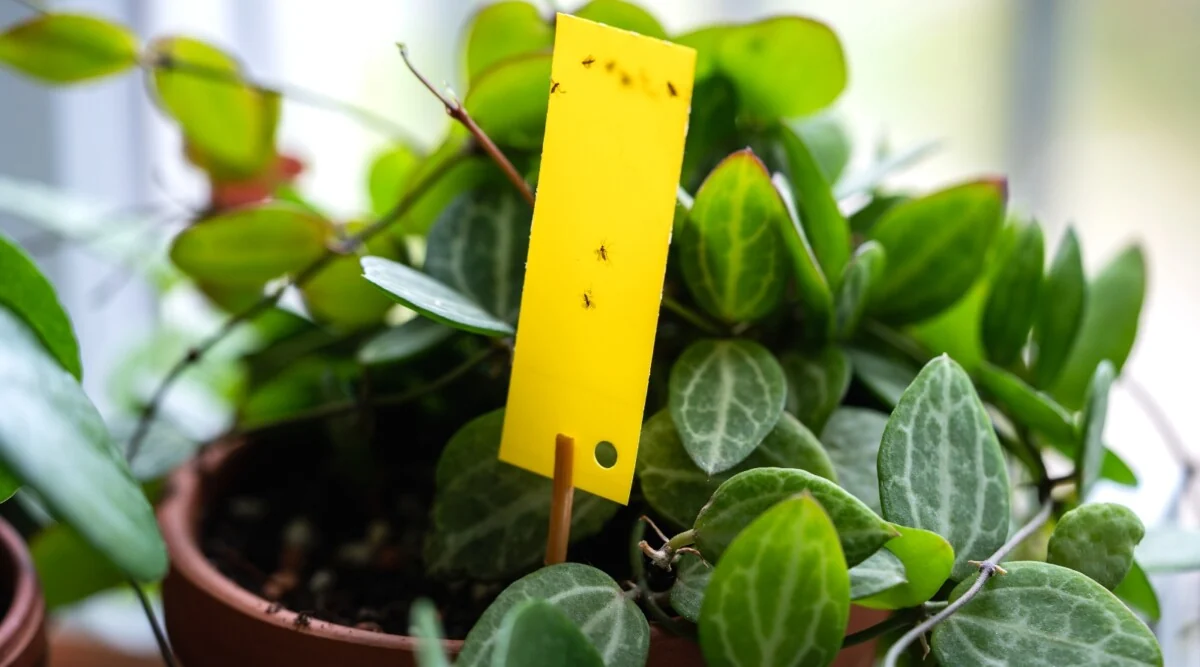
Quick apartment test: place a yellow sticky card at soil level in the worst pot and another near the sink. Check after 24 to 48 hours. If the plant one loads up and the sink one does not, you have your answer.
Why wet soil attracts them
Fungus gnats are not usually interested in the plant itself. They are interested in the consistently moist top layer of potting mix, where their larvae feed on fungi and decaying organic bits.
In many apartments, the perfect storm looks like this:
- Soil stays wet too long due to low light, cool temps, or a decorative cachepot that traps moisture.
- Organic-rich mixes (peat, compost, bark) hold water and provide food for fungi.
- Frequent top watering keeps the first inch or two damp, right where eggs and larvae do best.
- One-room living means gnats can hop from plant to plant with zero effort.
7 low-cost ways to get rid of fungus gnats
In a small apartment, you want solutions that are effective, low-odor, and not messy. These seven play nicely together. You do not have to do all of them, but pairing 2 to 4 usually ends the problem faster.
1) Let the soil dry out (on purpose)
This is the unglamorous fix that does the most. Fungus gnat eggs and larvae struggle when the top layer dries and the potting mix is not kept consistently moist.
- For many common houseplants, let the top 2 inches dry before watering again.
- If your pot is small, pick it up daily for a week. You will quickly learn the “light pot” feeling of dry soil.
- Empty saucers and outer pots after watering so the bottom is not sitting in water.
Small-space tip: group your plants by thirst level so you are not “just giving everyone a sip” every few days. That constant sipping is basically a gnat spa membership.
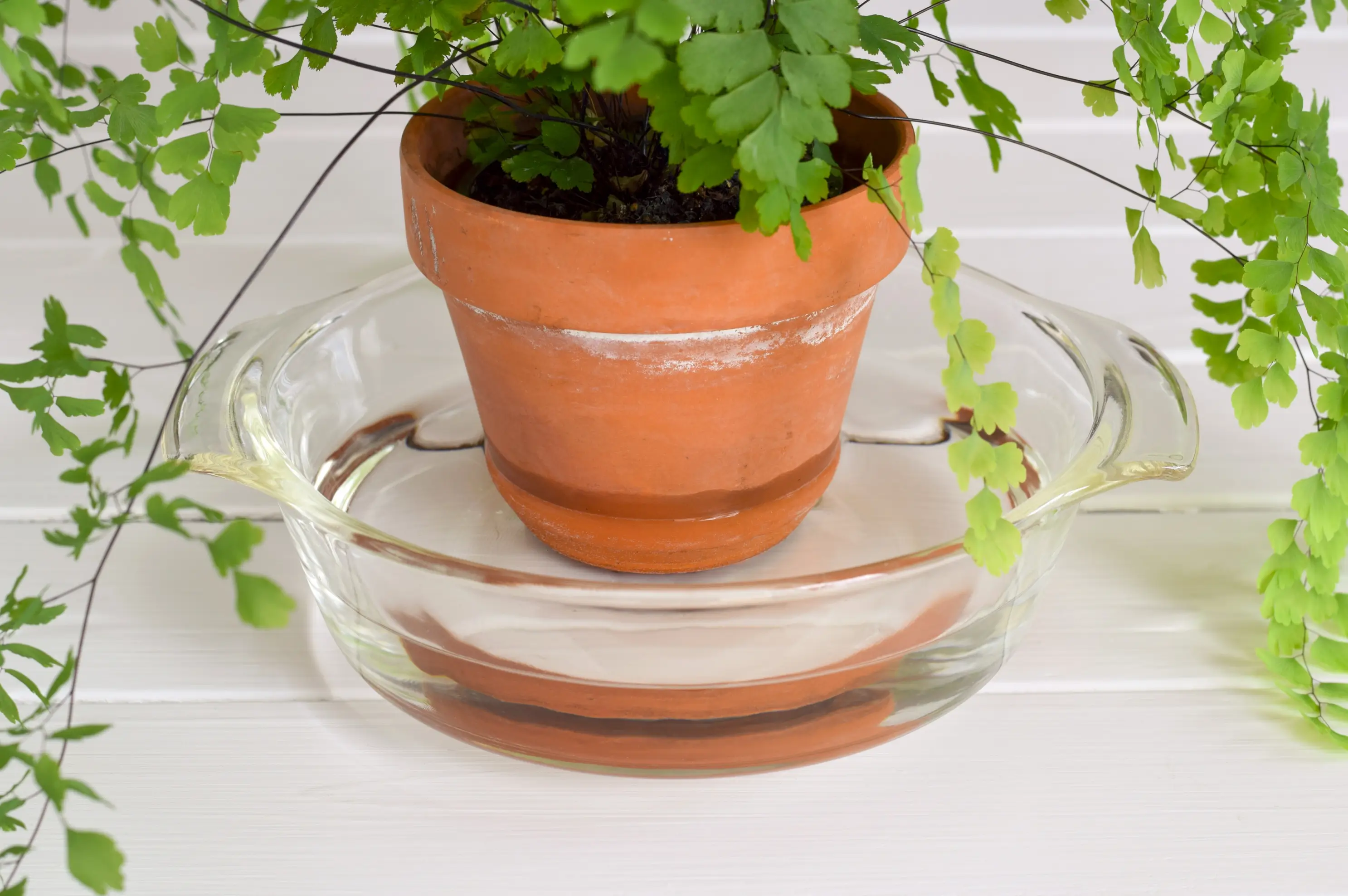
2) Switch to bottom watering
Bottom watering often keeps the soil surface drier, which makes it less appealing to gnats. Some mixes wick moisture upward, so think of this as a tool, not magic.
- Use room-temp water. Set the pot (with drainage holes) in a bowl or tray of water for 10 to 20 minutes.
- Remove it and let it drain fully before returning it to its usual spot.
- The goal is evenly moist soil, not a swamp. If the surface still stays damp, shorten the soak time and increase airflow and light if you can.
3) Use yellow sticky traps to catch adults
Sticky traps do not solve the larvae in the soil, but they stop adults from laying new eggs and they show you whether your plan is working.
- Place traps at soil level, not up by the leaves.
- Use one trap per medium pot, or two for a large pot during an outbreak.
- Replace when dusty or covered.
Small-apartment reality: even if you do nothing else, sticky traps immediately cut down the “gnats in my face” factor.
4) Add a sand or fine gravel top layer
A dry, gritty top-dressing can make it harder for adults to reach damp soil to lay eggs, and it can help the surface dry faster. This works best when the top stays truly dry.
- Use coarse sand (not powdery play sand) or fine aquarium gravel.
- Add a layer about 1/4 to 1/2 inch thick across the surface.
- Keep it dry by bottom watering, especially at first.
Watch-outs: Top-dressing is a mixed bag. If your plant needs frequent watering, or if your pot already stays wet too long, skip this. A top layer that stays damp can make things worse. If you try it and the pot stays wetter, remove the top-dressing and prioritize drying out and repotting.
5) Do a mosquito-bit soak (BTI) to kill larvae
This is my favorite “tiny apartment” solution because it is low odor and very targeted. Mosquito bits contain BTI (Bacillus thuringiensis israelensis), a bacterium that affects certain larvae, including fungus gnats.
- Soak mosquito bits in water according to package directions, then strain out the bits.
- Water your plants with the soaked water (top water once for treatment, then return to bottom watering).
- Repeat weekly for 2 to 3 weeks to break the life cycle.
Tip: Treat every plant in the area, not just the worst one. In a studio, “the area” is usually your whole home.
6) Quarantine and contain the worst pots
Stopping the spread is half the battle when all your plants are within ten feet of your bed.
- Move the most infested plants to a bathroom with a window, a balcony, or even a single “plant corner.”
- Put a sticky trap in every pot in the quarantine zone.
- Avoid moving pots room to room until numbers drop.
Containment hack: If you have a clear storage bin, you can create a temporary plant isolation box for a couple of days at a time (lid cracked for airflow). It is not cute, but it is effective during the peak swarm week.
7) Repot when the mix stays wet too long
If you have tried drying out and BTI and gnats keep coming back, your mix may be too dense, too decomposed, or holding too much moisture for your light levels.
Repotting is worth it when:
- Soil routinely stays wet for a week or more in your conditions (plant type, pot size, season, and light all matter).
- The pot has no drainage holes, or water pools in a cachepot.
- The plant is in old, compacted mix that feels spongy or sour.
How to repot without making a mess in a tiny space:
- Work inside a large tote lid, baking tray, or opened trash bag to catch spills.
- Discard the old soil in a sealed bag promptly.
- Rinse the pot if possible, and consider trimming any obviously rotting roots.
- Use a fresh, well-draining mix suited to the plant. Many plants do better with added perlite or bark for airflow.

Stop them spreading in a studio
Fungus gnats are tiny, but their life cycle is predictable. Your goal is to stop adults, kill larvae, and avoid creating new wet soil zones.
A simple game plan
- Day 1: Put sticky traps in every pot. Stop top watering.
- Week 1: Let soil dry more than you think you should (within your plant’s tolerance). Bottom water only.
- Weeks 1 to 3: Use BTI mosquito-bit water weekly for all plants.
- Anytime: Quarantine the worst plants and empty saucers promptly.
- After 2 to 4 weeks: If traps still fill up fast, repot the problem pots.
Common sources (and how to cut them off)
- New plants: Assume a new plant may come with hitchhikers. Add a sticky trap right away and keep it slightly apart for 1 to 2 weeks.
- Open potting mix bags: Store potting mix sealed and dry. Old, damp, open bags are basically a gnat nursery.
- Reused pots and saucers: Rinse and scrub them before reusing, especially after an outbreak.
What not to do (small apartment edition)
- Do not set off insect foggers indoors for fungus gnats. They are a soil problem, and foggers add unnecessary exposure.
- Do not keep trying vinegar traps as your main plan. They are for fruit flies.
- Do not free-pour hydrogen peroxide into pots. If you use it at all, use a properly diluted mix and know it is a short-lived knockdown, not a full plan.
- Do not leave standing water in saucers, cachepots, or trays.
If you want another option
If you prefer a non-BTI route, beneficial nematodes (often sold as Steinernema feltiae) can also reduce fungus gnat larvae when applied as directed. They are a little fussier about storage and timing, but they can work well.
Prevention habits that actually stick
- Drainage always: If you love decorative pots, keep plants in nursery pots inside them and never let water pool.
- Fewer “mystery waters”: Set a watering day, but only water plants that are dry enough.
- Top layer checks: Stick a finger in, or use a chopstick as a dipstick. If it comes out damp with soil clinging, wait.
- New plant protocol: Any new plant gets a sticky trap immediately and stays slightly apart for a couple of weeks.
FAQ
Are fungus gnats harmful to people?
They are mostly a nuisance for people. They do not bite like mosquitoes. The bigger issue is what they signal: persistently wet soil, which can also stress plants.
Will vinegar traps work for fungus gnats?
Sometimes you catch a few, but fungus gnats are not as drawn to vinegar as fruit flies. Sticky traps near soil work better for adults, and BTI targets larvae.
How long does it take to get rid of them?
Expect improvement in days once sticky traps go up, but full control often takes 2 to 4 weeks because you are breaking a life cycle that includes eggs and larvae in the soil.
Do I need to throw out all my plants?
No. In my experience, you rarely need to go that drastic. Drying out the soil, switching watering methods, and treating with BTI solves the majority of infestations, even in tiny apartments.