A renter-friendly breakdown of who usually pays for pest control, what your lease may say, how local laws affect it, and how to document and request treatmen...
Space Ovo
How to Get Rid of Silverfish in a Small Apartment
Spot silverfish, find their favorite damp hiding spots, and remove them fast with renter-safe steps like humidity control, sealing gaps, diatomaceous earth, and sticky traps.

Maya Brooks
Maya Brooks is an interior stylist and layout enthusiast who believes square footage should never dictate your home's style. After a decade of navigating cramped city studios, she shares practical, renter-friendly decorating and storage solutions to help others maximize their tiny spaces.
The first time I saw a silverfish in a 350-square-foot studio, I assumed it was a weird, tiny shrimp that had somehow evolved to live behind my bathroom baseboard. Then it did the signature move: that fast, wiggly sprint into a crack I did not know existed. In a small apartment, pests feel personal because there are fewer places for them to hide and somehow they still find all of them.
The good news: silverfish are one of the more manageable apartment pests when you focus on what they want most: moisture, darkness, and easy snacks like paper and fabric sizing. Below is my renter-safe, step-by-step plan to identify them, kick them out, and keep them from treating your bookshelves like a buffet.
What silverfish look like
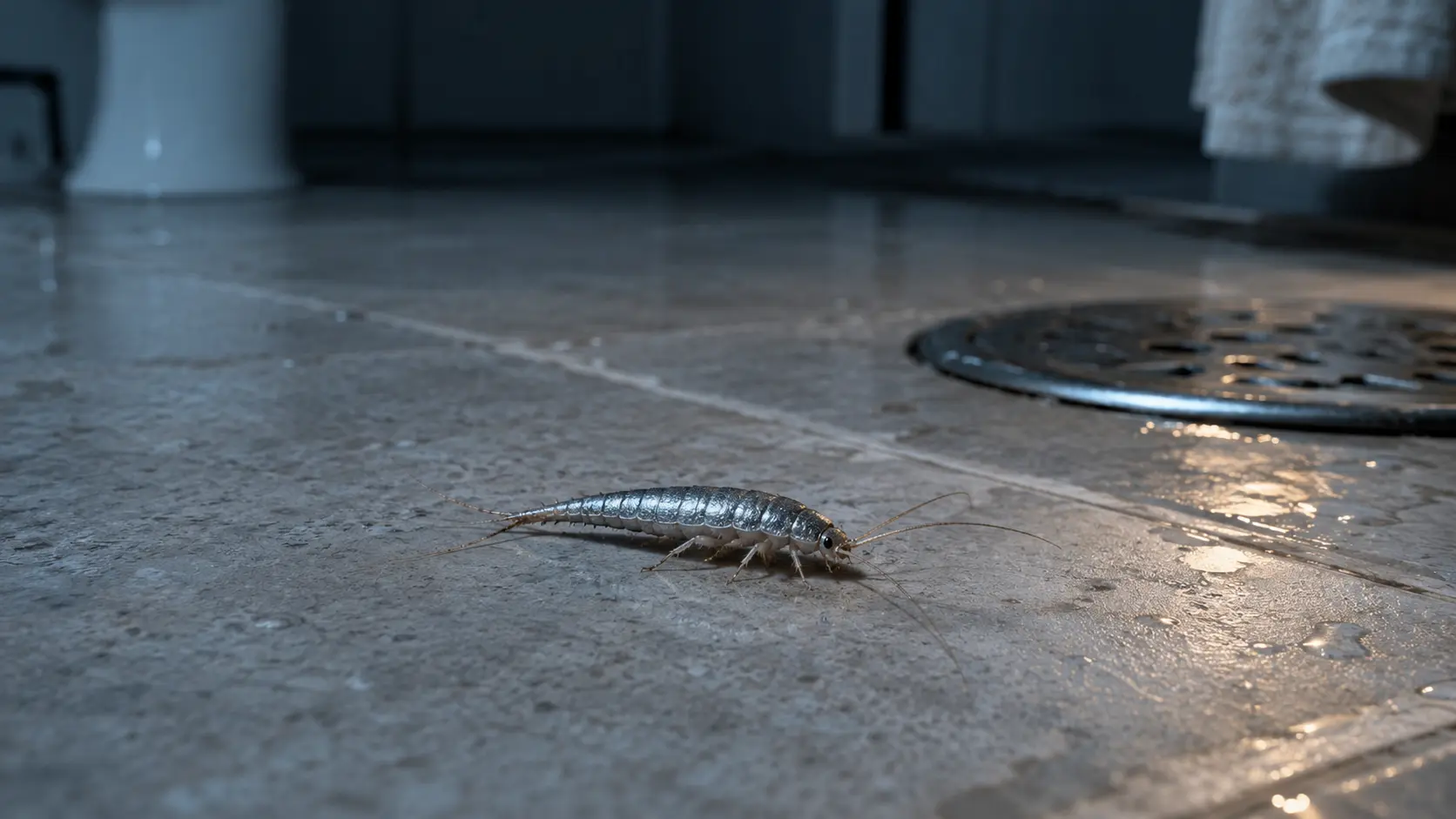
Silverfish are small, wingless insects that look like teardrop-shaped, silvery-gray little swimmers. They are often around 1/2 inch long, sometimes closer to 1 inch.
- Movement: quick, darting, fish-like wiggle
- Body: flat, tapered, metallic sheen
- Antennae: two long antennae in front
- Tail: three bristle-like filaments at the back
Common silverfish look-alikes:
- Firebrats: similar shape but more mottled and they prefer warmer spots (near heaters, ovens)
- House centipedes: much longer legs and a totally different vibe (also predators of other bugs)
- Roach nymphs: more oval, not shiny-silver, and they do not have the three tail filaments
If you are seeing shed skins or irregular holes in paper, cardboard, or fabrics, silverfish are a strong suspect. You might also notice tiny pepper-like specks (frass), but droppings alone are not definitive since other pests can leave similar marks.
Where silverfish hide in small apartments
Silverfish are reclusive. You usually spot them when you flip on a light at night or move something that has been sitting still for a while. In compact apartments, their hotspots tend to overlap with our storage zones, which is why they feel especially annoying.
Damp spots
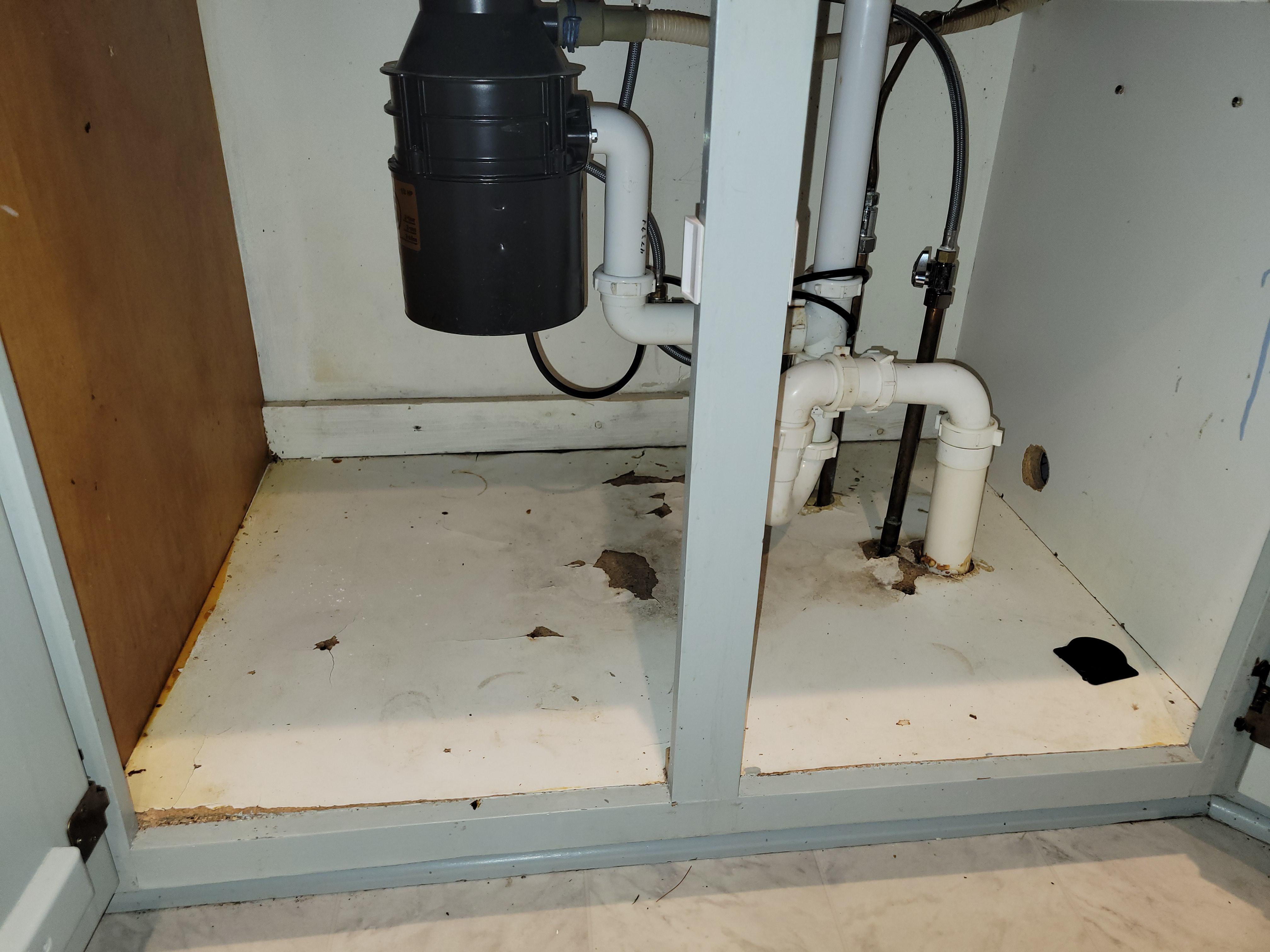
- Under-sink cabinets (kitchen and bathroom), especially around supply lines and the P-trap
- Behind and around toilets, especially if there is condensation or a leak at the base
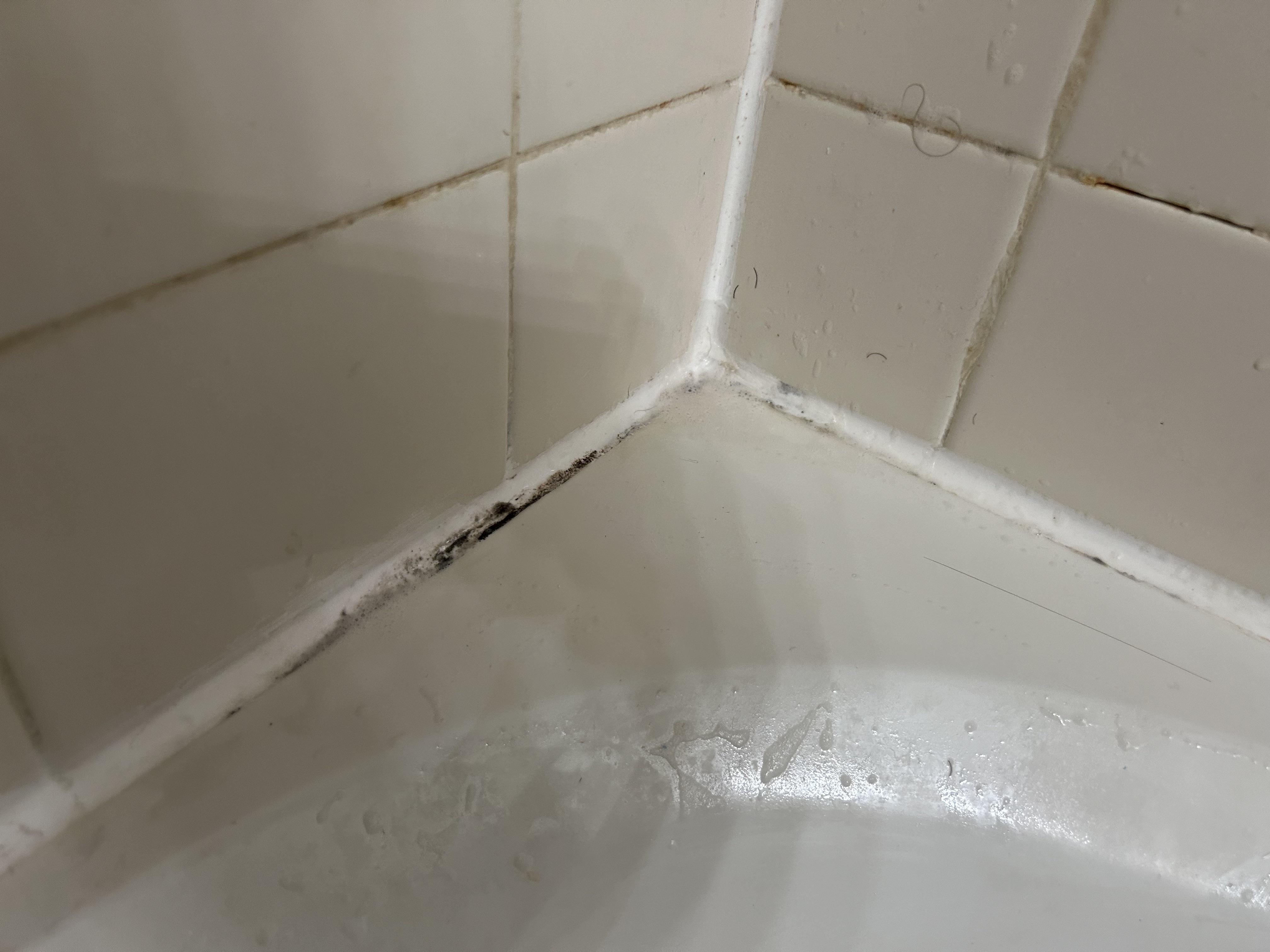
- Along tubs and shower walls where caulk is cracking
- Near radiators or HVAC units where condensation forms
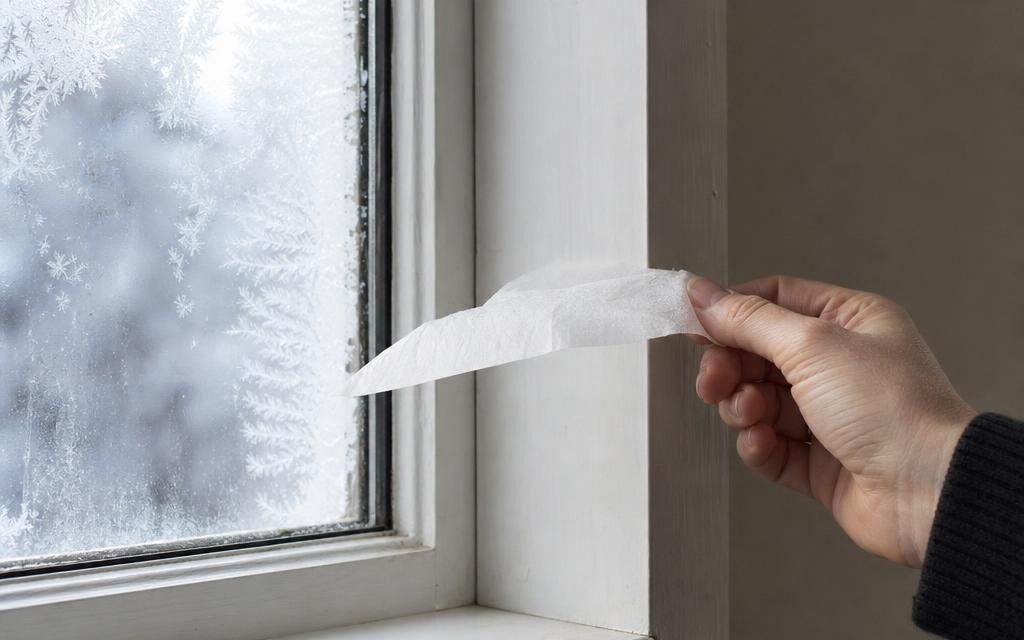
- Windowsills that collect condensation
- Basement-level units, ground-floor corners, and any exterior wall that feels cool and clammy
Paper, closets, and storage
- Books, magazines, and papers, especially older or rarely moved stacks
- Cardboard boxes, shipping cartons, and paper bags
- Closets where clothes are packed tightly and airflow is low
- Wallpaper seams, peeling paint, and behind baseboards
Bathrooms and laundry areas
- Bath mats and towel piles (especially if they stay damp)
- Laundry hampers with sweaty gym clothes or wet towels
- Behind washers and dryers where lint and humidity collect
Step-by-step: get rid of silverfish
In a small apartment, the most effective strategy is a tight loop: reduce moisture, remove food sources, then trap and treat cracks. You do not need to fog your place or do anything that puts your lease or your lungs at risk.
Step 1: Find the hotspots
After dark, do a quick “lights-on” check:
- Leave the bathroom or kitchen dark for 10 to 20 minutes.
- Flip on the lights and scan baseboards, behind the toilet, and under sinks.
- Use a flashlight to look into the back corners of cabinets and closet floors.
Make a short list of the top 2 to 3 zones where you see activity. In a tiny space, that focus is everything. In my studio, the action was almost always behind the toilet and under the bathroom sink, basically the two dampest, least-disturbed corners I owned.
Step 2: Get humidity under 50%
Silverfish thrive when humidity stays high. Your goal is to keep indoor humidity under 50% (often a comfortable 30 to 50% range for people, too).
- Run the bathroom fan during showers and for 20 to 30 minutes after. If you do not have a fan, crack a window and keep the door open after.
- Squeegee the shower walls after use. It takes 30 seconds and removes a lot of lingering moisture.
- Fix slow leaks fast. Even a tiny drip under a sink can keep a cabinet perfect for silverfish.
- Use a small dehumidifier if your unit is damp, especially for basement or ground-floor apartments.
- Do not dry wet towels in a heap. Hang them so they actually dry.
If you want to be extra precise, a small humidity meter is cheap and takes the guesswork out.
Step 3: Remove what they eat
Silverfish do not need crumbs the way roaches do. They can live off starchy dust, paper glue, lint, and the paste in book bindings and wallpaper seams. They may also nibble at pantry residues (think flour dust), pet food crumbs, and even dead insects. Cleaning is not about perfection, it is about removing the quiet little food sources.
- Vacuum along baseboards, behind the toilet, under the vanity, and closet floors.
- Pull everything out from under sinks, wipe shelves dry, and toss wet cardboard or soggy shelf liner.
- Reduce paper piles. Recycle old magazines, junk mail, and packaging fast.
- Wash bath mats regularly and fully dry them.
- Wipe pantry shelves and sweep up flour, oats, and cereal dust (and keep pet food in a lidded container).
Step 4: Seal cracks and gaps
Think like a silverfish: you want a thin dark line to disappear into. Your job is to erase those lines.
- Caulk gaps where the tub meets tile, around sinks, and where baseboards separate from the wall. Choose a paintable latex caulk for easy cleanup.
- Use removable weather stripping for drafty windows where condensation is common.
- Add a door sweep if you see gaps under your bathroom door or entry door, especially if the hallway is humid.
- Use outlet gaskets (foam pads) on exterior walls if you suspect bugs are traveling through wall voids.
If you are unsure what your lease allows, focus on reversible steps first (door sweep, weather stripping, outlet gaskets) and ask your landlord about caulking and repairs in wet areas.
Step 5: Trap, track, and measure progress
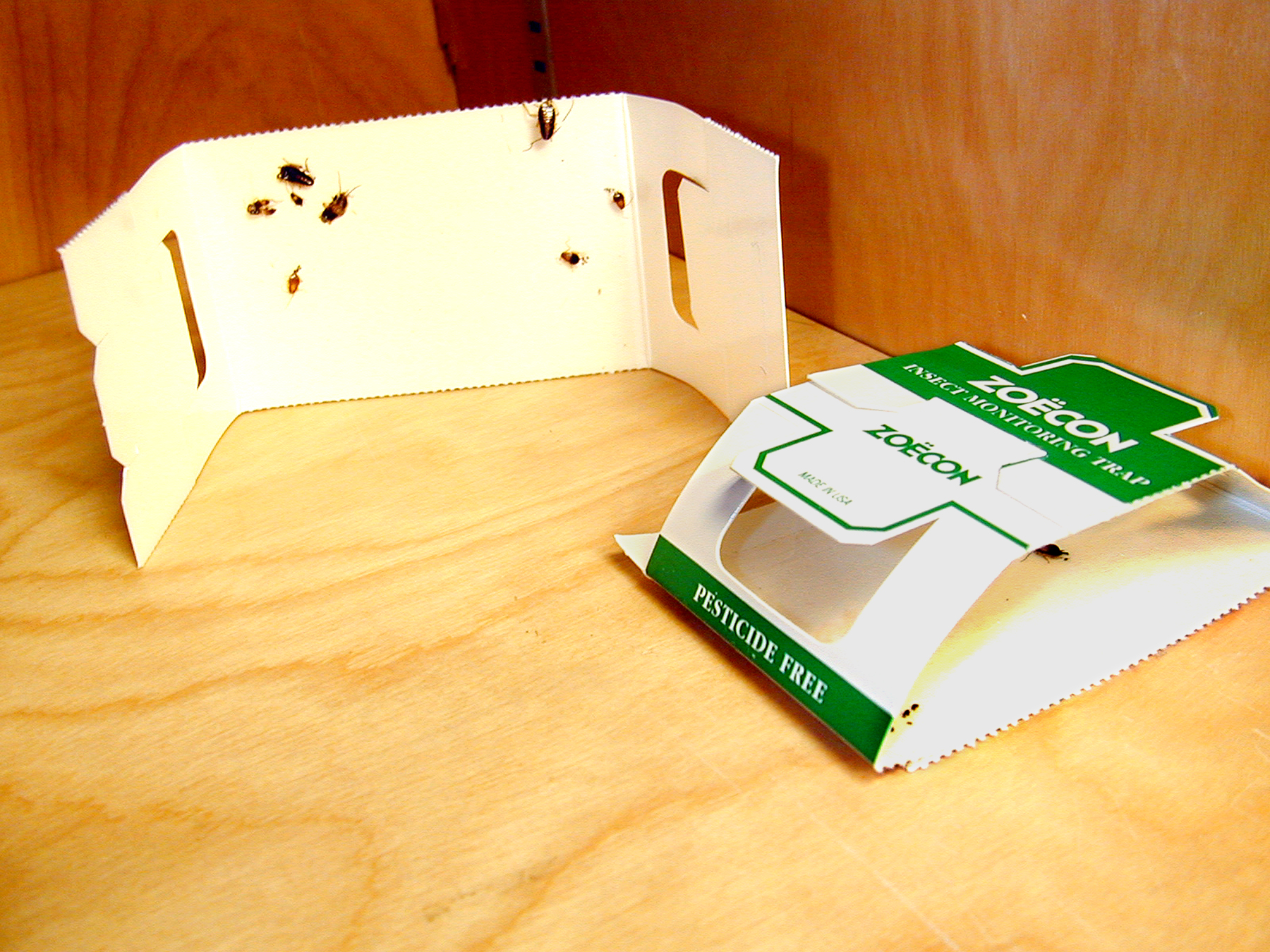
Sticky traps are underrated because they do two jobs: they catch silverfish and they tell you where the problem actually is.
- Place traps under the bathroom sink, behind the toilet, along the wall behind your bookshelf, and inside closets near baseboards.
- Put traps flush to the wall. Silverfish travel edges.
- Check weekly and write down what you catch.
- Move traps toward whatever is catching the most.
Success looks like fewer catches week over week, then eventually none in your main hotspots. Keep a couple of traps down for a few extra weeks after activity drops to confirm it is really over.
Diatomaceous earth (DE) in apartments
Diatomaceous earth (DE) can be effective for silverfish when applied correctly. It works by abrading and disrupting the insect’s waxy outer layer so they slowly dehydrate after crawling through it.
Choose food-grade DE (not pool-grade), and treat it as safer, not harmless. Avoid creating airborne dust and keep it away from kids and pets. In a small space, a little goes a long way.
Where to apply
- Along baseboards behind toilets and vanities
- Under and behind appliances where you cannot easily clean often
- In cracks and crevices in closets, especially where the floor meets the wall
- Behind bookshelves (move the shelf, treat the edge, then put it back)
How to apply
- Vacuum and dry the area first.
- Apply a very thin layer using a puffer or a small spoon, then gently brush it into cracks.
- Keep it out of high-traffic areas where it will get kicked up.
- Reapply if it gets wet. DE does not work well when damp.
If you have asthma or you are sensitive to dust, lean more on humidity reduction, sealing, and traps, and skip DE.
What not to do
- Do not use bug bombs or foggers. They do not solve hidden moisture and crack issues, and they can leave residue in a small, poorly ventilated space.
- Do not overapply DE. A thick layer is messy and easier to kick into the air. Thin and targeted works better.
- Do not spray random pesticides in tight, unventilated areas. If you are renting, loop in your landlord before using stronger chemicals, especially in shared-wall buildings.
- Do not store items in damp cardboard. If a box feels even a little soft or musty, it is not storage, it is a silverfish welcome mat.
Protect books and clothes
As a stylist, I love a pretty stack of coffee table books. As a former tiny-apartment renter, I have learned that silverfish also love them. The fix is not getting rid of your stuff. It is storing it in a way that does not invite pests.
Books and paper
- Increase airflow: Do not press bookcases tightly against a damp exterior wall. Even 1 to 2 inches helps.
- Elevate: Avoid storing books directly on the floor, especially in closets.
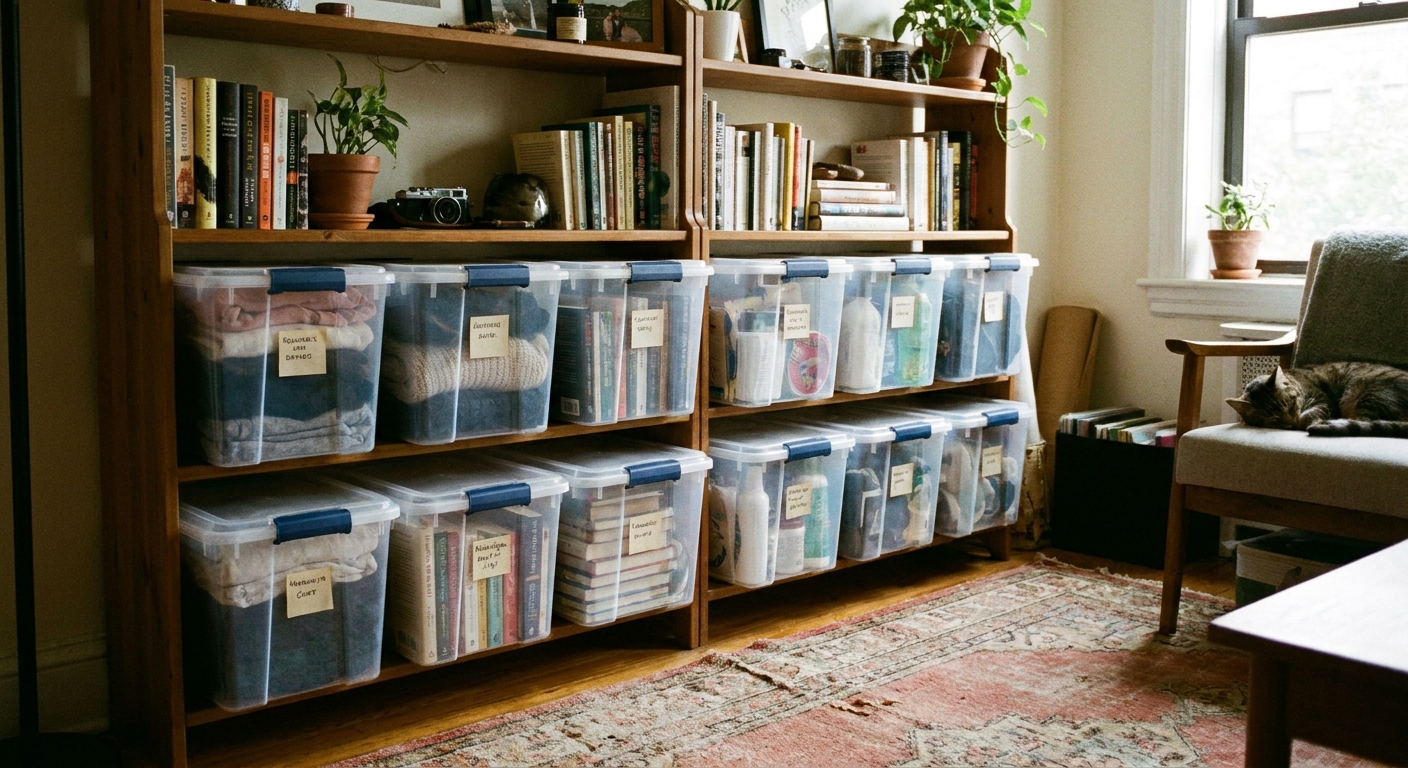
- Use sealed bins: For sentimental papers, use plastic bins with tight lids instead of cardboard.
- Keep it dry: If your apartment runs humid, add silica gel packets in storage bins (kept away from kids and pets).
Cardboard
- Recycle shipping boxes quickly.
- For long-term storage, switch to clear lidded bins.
- If you must keep cardboard (moving supplies), keep it elevated and away from bathrooms and exterior walls.
Closets and textiles
- Do not store off-season clothes in cardboard boxes.
- Use zippered garment bags or lidded bins.
- Keep closet floors clear so you can vacuum edges easily.
Prevention checklist
- Keep humidity under control, especially in bathrooms.
- Fix leaks and report water damage quickly.
- Vacuum baseboards and closet edges regularly.
- Declutter paper piles and get rid of cardboard fast.
- Store papers and textiles in sealed containers, not open stacks on the floor.
- Re-caulk cracking tub and sink lines as needed.
- Keep sticky traps in discreet spots for a month or two after you stop seeing them to confirm the problem is actually resolved.
When to ask your landlord or call a pro
In a small apartment, silverfish can look like a “you problem,” but they are often a building moisture problem, especially in older places with shared walls and lots of hidden voids.
Loop in your landlord when:
- You have a persistent leak, soft drywall, bubbling paint, or recurring condensation you cannot control.
- You see silverfish in multiple rooms despite reducing humidity and using traps for 3 to 4 weeks.
- You suspect they are coming from a shared wall, hallway, basement, or laundry room.
- You have damaged caulk, gaps around plumbing penetrations, or missing baseboards that need repair.
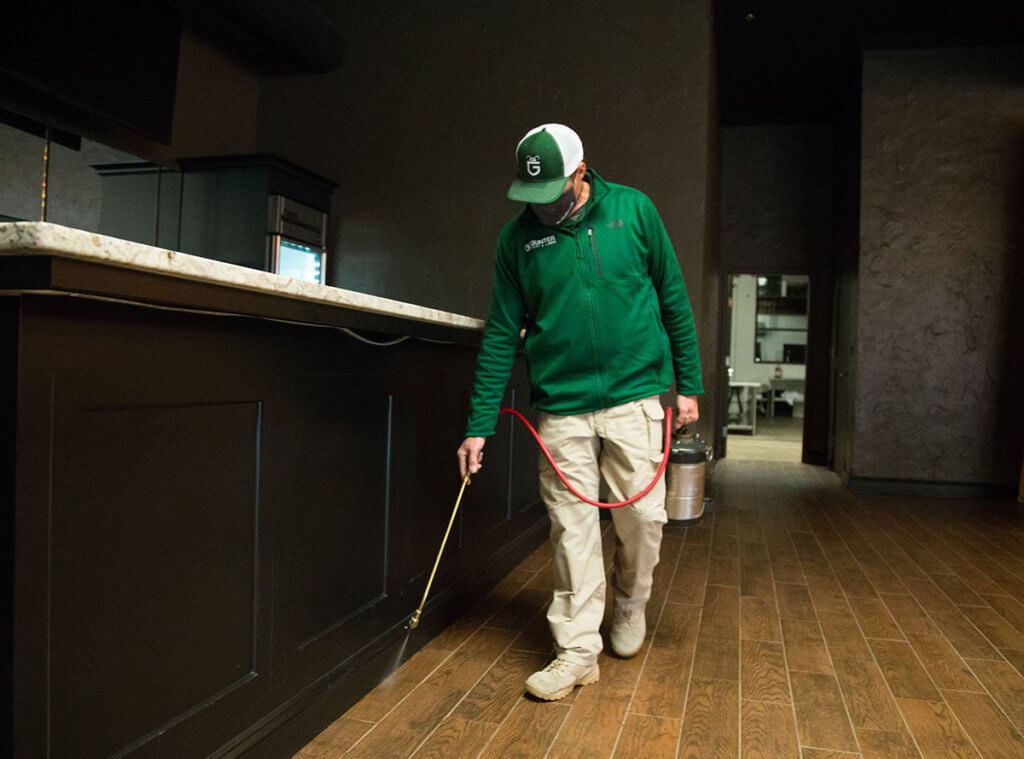
Consider a licensed pest professional if the infestation is heavy or moisture keeps returning. If anyone offers a single spray-and-go visit as the whole solution, be skeptical. Lasting control still comes back to moisture, sealing, and monitoring.
If you want to discuss insecticides, treat them as a last resort in a small apartment. Some products commonly mentioned online (like boric acid) can be risky around kids and pets, and many residual sprays are best handled by your landlord or a licensed pro who can apply them legally and safely in the right places.
Quick FAQ
Are silverfish harmful?
They do not typically bite humans and they are not known for spreading disease the way some pests can. The real issue is damage to paper, books, and some fabrics, plus the stress of seeing them.
Why do I only see them at night?
They are nocturnal and avoid light. Seeing one during the day can mean the population is larger or their hiding spot got disturbed.
Will bleach, vinegar, or essential oils solve it?
Cleaning helps, and vinegar can be a useful wipe-down for general maintenance, but it is rarely enough on its own. Silverfish control is mostly about reducing humidity, removing food sources, sealing access points, and using targeted traps or DE where appropriate.
How long does it take to get rid of them?
If you hit humidity plus traps immediately, many apartments see a noticeable drop in 1 to 2 weeks. Full control can take a month or more, especially in damp buildings or during humid seasons.