Track down that bathroom sewer smell with a simple, practical checklist. Learn the most common causes, quick fixes you can do today, and when it’s time to ca...
Space Ovo
How to Get Rid of Drain Flies in the Bathroom
Drain flies thrive in slimy biofilm inside bathroom drains. Learn how to confirm the source with a tape test, scrub the pipe, use enzyme cleaners, and stop them from coming back.

Maya Brooks
Maya Brooks is an interior stylist and layout enthusiast who believes square footage should never dictate your home's style. After a decade of navigating cramped city studios, she shares practical, renter-friendly decorating and storage solutions to help others maximize their tiny spaces.
The first time I spotted drain flies in a Brooklyn bathroom, I did what any sleep-deprived renter does: I sprayed everything that looked even vaguely fly-adjacent. It smelled like a pool. The flies did not care.
Here is the good news: drain flies are gross, but they are beatable. The fix is not “kill the adults.” The fix is remove the slimy biofilm inside the drain where they breed. Once you clean the breeding site, the adults disappear fast.
What drain flies look like (so you know it’s not gnats)
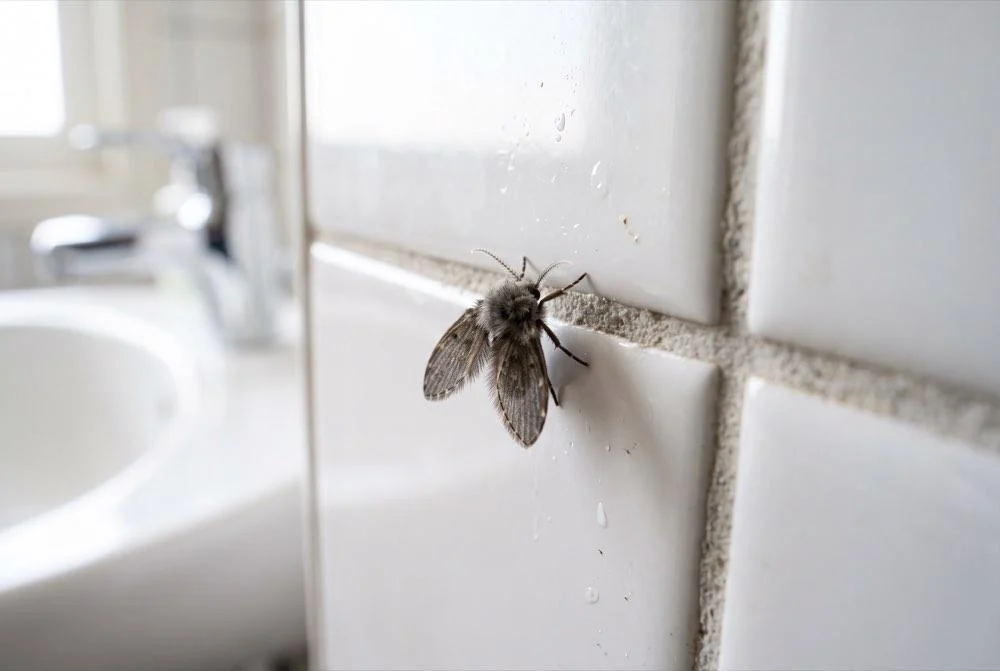
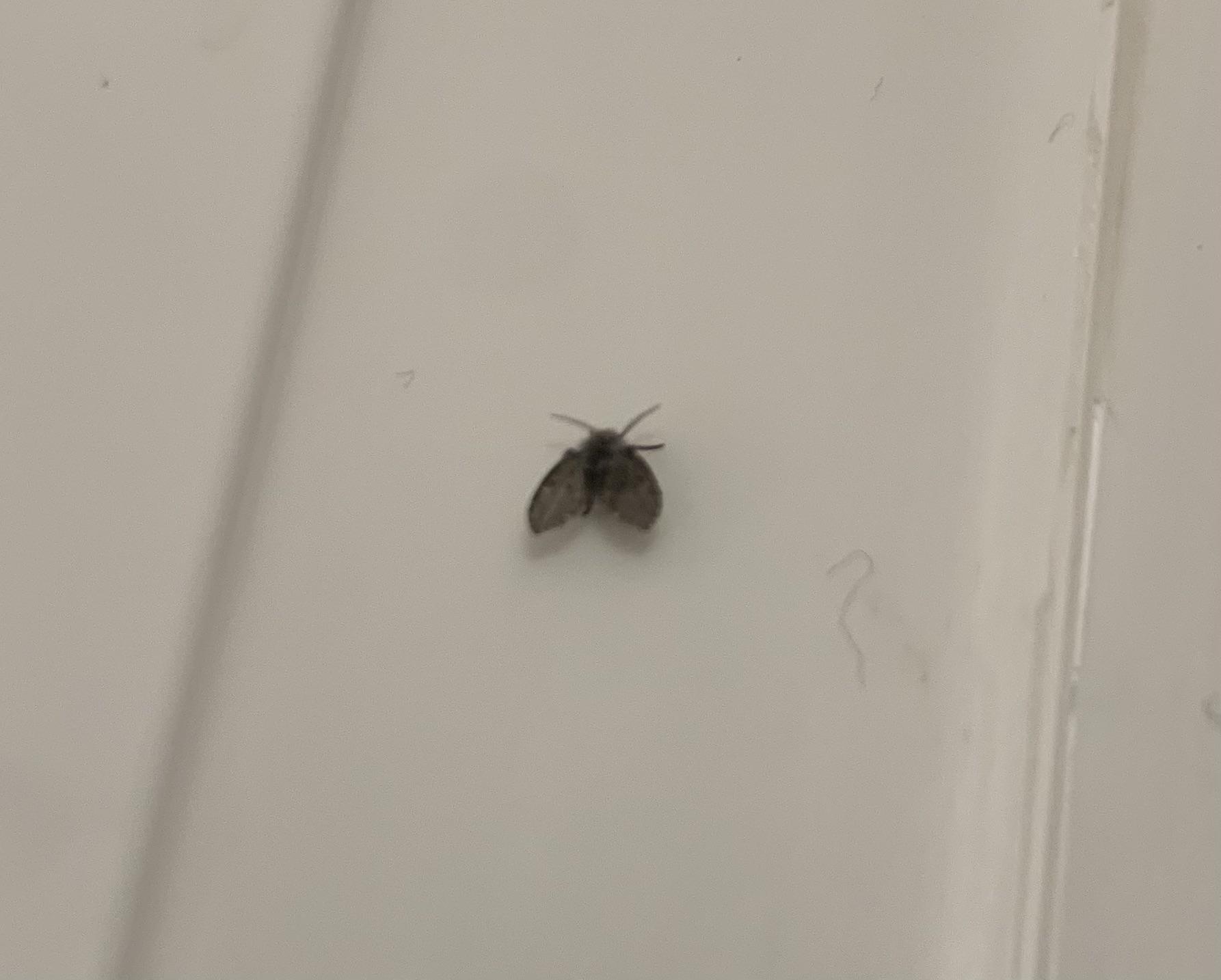
Drain flies (also called moth flies) are tiny, usually about 1/8 inch (2 to 5 mm) long. They look:
- Fuzzy or moth-like with hairy wings
- Gray, tan, or brown
- Slow and a little clumsy, often resting on walls near sinks, tubs, or toilets
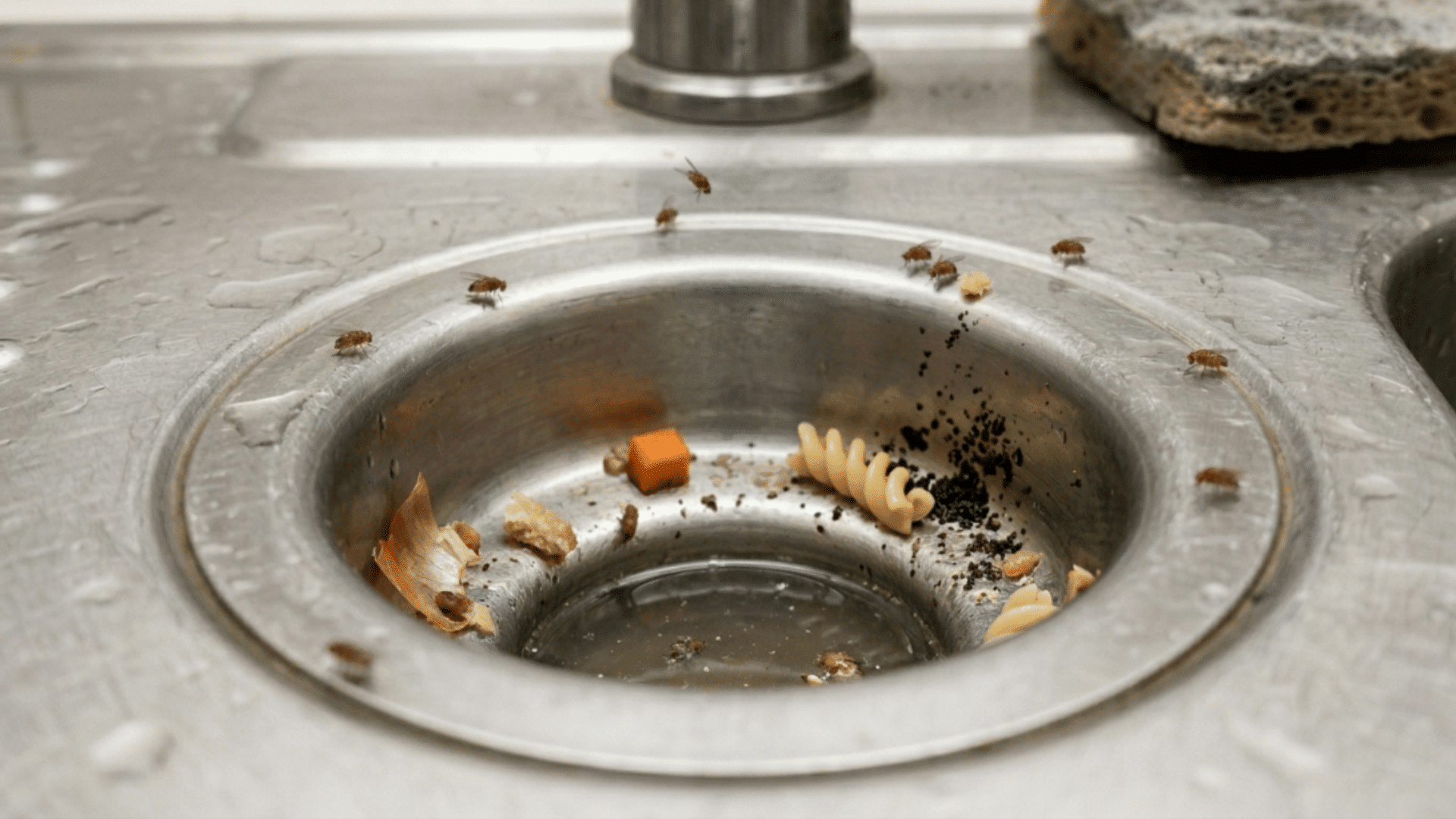
If what you have are sleek, fast “fruit fly” looking bugs hovering around a trash can or produce bowl, that is a different problem. Drain flies most often point back to organic gunk in a drain, a rarely used drain, or a moisture issue like a small leak.
Two common lookalikes to keep in mind:
- Fungus gnats tend to hang around houseplants and damp potting soil.
- Phorid flies (humpbacked) often run across surfaces more than they fly, and can signal deeper plumbing or sewage-related buildup.
Why they keep coming back after sprays and bleach
Adult drain flies are the symptom. The cause is the nursery: a damp layer of slime called biofilm made from soap scum, hair, toothpaste, skin cells, and other organic debris coating the inside of pipes.
Here is why common quick fixes disappoint:
- Bug spray kills what you can see, not the eggs and larvae protected in the sludge.
- Bleach often does not stay in contact with the pipe walls long enough to break down the slime, especially in vertical runs, and it can get diluted quickly.
- Boiling water alone can help a little, but it rarely removes the sticky film that larvae feed on.
To actually win, you need a two-part approach: find the source and physically remove or digest the biofilm.
Find the breeding drain (use the tape test)
Drain flies can come from more than one spot, especially in small bathrooms where everything is close together. Common sources:
- Sink drain and overflow opening
- Shower or tub drain
- Floor drain (if you have one)
- Toilet base (if there is a leaking wax ring)
- An unused drain that dried out (P-trap evaporated)
The tape test (10 seconds at night)
This is my favorite low-effort detective move.
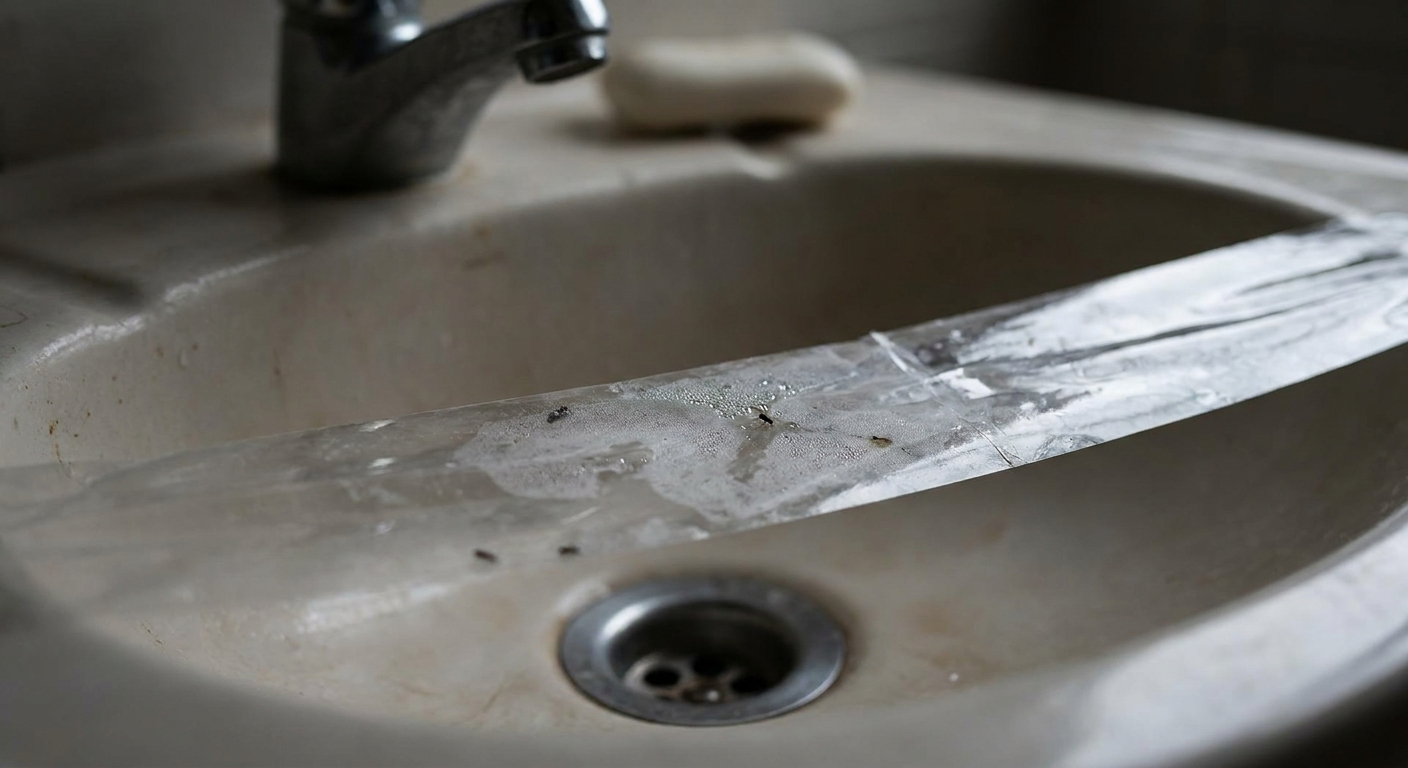
- At night, when the bathroom is dry and quiet, place a piece of clear tape over the drain opening. Use enough to seal the edges. Do this on each suspect drain.
- Leave it overnight.
- In the morning, check the tape. If drain flies are stuck on the underside of the tape, that drain is a source.
If you catch flies on more than one piece of tape, congratulations and also I am sorry: you have multiple breeding spots. Treat them all.
What you need (all renter-friendly)
- Flashlight
- Rubber gloves
- Old toothbrush or small scrub brush
- Drain snake or plastic hair remover (optional but helpful)
- Paper towels or a rag
- Enzyme or bacterial drain cleaner labeled for organic buildup and biofilm
- Clear tape (for the tape test)
If you are choosing between buying a drain fly trap and buying an enzyme cleaner, pick the enzyme cleaner. Traps catch adults. Enzymes remove the food source.
Step-by-step: how to get rid of drain flies
Step 1: Pull out the gunk you can reach
Start with the satisfying stuff.
- Remove the drain stopper if possible.
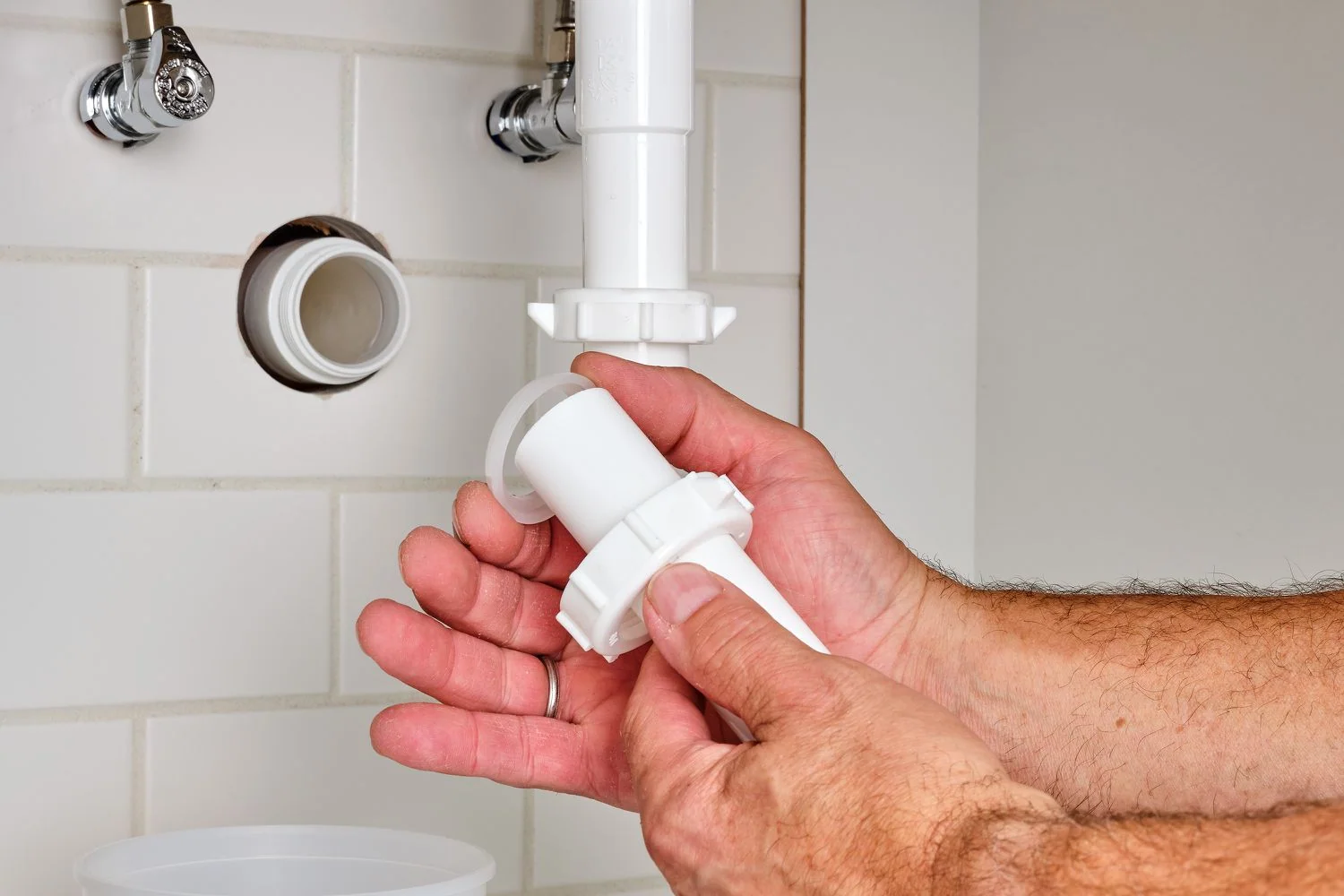
- Use a plastic hair remover or small snake to pull out hair and sludge.
- Wipe the visible area under and around the stopper, including the underside of the stopper assembly if it is coated in goo.
In showers, hair mats and slow drains are basically an open buffet. Get that debris out first so your cleaner can do its job.
Step 2: Scrub the drain walls (this is the real magic)
This is the part sprays cannot replace. You want friction on the inside of the pipe and around the drain opening.
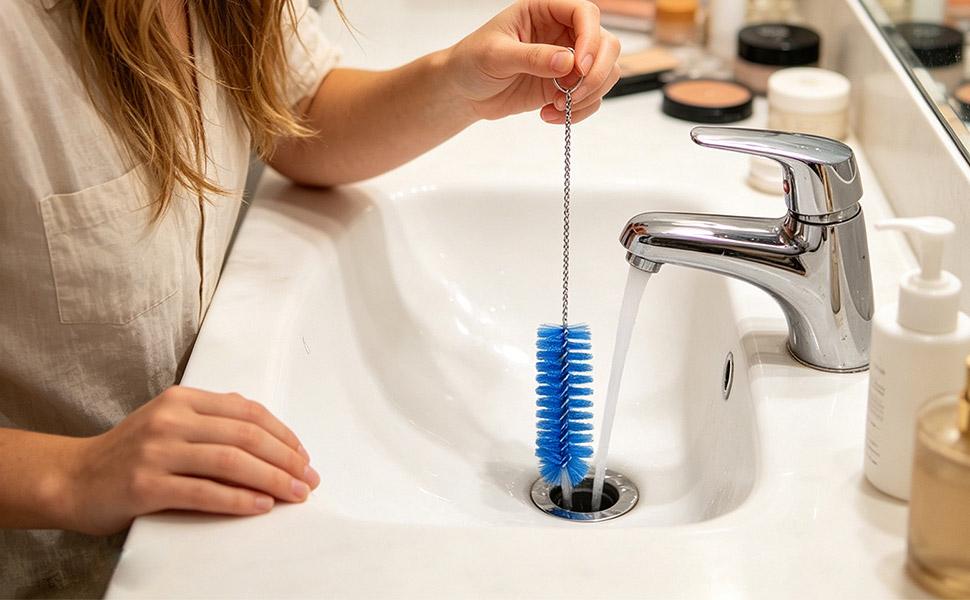
- Use an old toothbrush or narrow bottle brush to scrub the drain opening and the first few inches of pipe.
- Do not skip the overflow opening on sink basins (that little hole near the top). Drain flies love that damp pocket. Scrub it with a toothbrush and some soapy water.
If you only do one thing today, do this. Biofilm is sticky. Scrubbing breaks it up so it cannot protect eggs and larvae.
Step 3: Apply an enzyme drain cleaner (and let it sit)
Enzyme or bacterial drain cleaners work slowly, but they are great at eating organic buildup and lingering slime on pipe walls.
- Follow the label exactly.
- Usually, you pour it in at night and avoid running water for several hours so it stays concentrated on the biofilm.
- Repeat for a few nights in a row for active infestations.
Tip from my tiny-apartment playbook: put a sticky note on the faucet that says “DO NOT RUN” so no one accidentally rinses it away at 1 a.m.
Safety note: If you used bleach or another harsh chemical recently, flush thoroughly with plenty of water and wait (check your product label) before switching to an enzyme cleaner. Also, be cautious with boiling water on PVC or older plumbing.
Step 4: Flush with warm water and re-test
After the sit time, flush with warm water. Then repeat the tape test the next night. If you are still catching flies, keep treating. Many bathroom drain fly situations clear in about 1 to 3 weeks when you hit the biofilm consistently, but heavy buildup or moisture problems can take longer.
Step 5: Treat all nearby drains (even the “fine” one)
Drain flies do not RSVP to one drain. If your sink is a source, your tub drain is often not far behind. In small bathrooms, I recommend cleaning and enzyme-treating all drains in the room for the first week.
Special cases that need a different fix
If the drain is rarely used
An unused sink, tub, or floor drain can dry out, letting smells and insects come up.
- Run water for 30 seconds to refill the P-trap.
- If it dries out often, pour a small amount of mineral oil into the drain after running water. It slows evaporation. Use only a little, avoid overdoing it, and do not pour oils anywhere they could reach storm drains. If you are on septic or your building has strict plumbing rules, ask maintenance first.
If you suspect a leak or plumbing issue
If you see drain flies but also notice any of the following, cleaning may not be enough:
- Persistent damp cabinet base under the sink
- Loose toilet that rocks slightly
- Water stains around the toilet base
- Flies coming from a wall crack or around baseboards
This can mean a hidden leak, a damaged seal, or a plumbing issue feeding moisture and organic debris. As a renter, this is “maintenance request” territory. Document what you are seeing and ask for an inspection.
What not to do (so you do not waste a weekend)
- Do not rely on bleach alone. It may not remove biofilm reliably, especially if it runs through the pipe quickly.
- Do not mix chemicals. Bleach plus other cleaners can create dangerous fumes.
- Do not ignore the sink overflow. It is a classic breeding pocket people forget to scrub.
- Do not assume “new flies” means failure. Adults you are seeing today may have emerged from eggs laid days ago. Keep cleaning for a full cycle.
Prevention, tiny-bathroom edition
Once they are gone, keep your drains boring. Boring drains do not breed insects.
- Weekly hot water flush: Run hot water for a minute after you clean the bathroom.
- Monthly enzyme maintenance: A small dose overnight helps prevent biofilm from rebuilding.
- Use a hair catcher: The less hair in your tub drain, the less sludge forms.
- Fix slow drains early: Slow usually means buildup. Buildup becomes biofilm.
- Keep surfaces dry: Wipe standing water around the sink and tub if your bathroom has poor ventilation.
FAQ
Are drain flies harmful?
They do not bite, and they are not usually dangerous, but they are a sanitation signal. Like a lot of flies, they may mechanically transfer microbes from the drain to nearby surfaces, so it is worth tackling quickly.
How long does it take to get rid of drain flies?
If you remove the biofilm and keep enzyme treatments going, many people see a big drop in a few days and full clearance in about 1 to 3 weeks. Severe buildup or hidden leaks can take longer.
Can drain flies come from the toilet?
Sometimes. They can breed in organic buildup in rarely used plumbing, and they can also show up if there is a leak at the toilet base (wax ring issue). If flies cluster around the toilet, check for wobble, staining, or dampness and contact maintenance.
What is the fastest way to confirm which drain is causing it?
The overnight clear tape test. It is simple, cheap, and surprisingly definitive.
My no-panic checklist
- Confirm drain flies (tiny, fuzzy, slow)
- Do the tape test on every drain in the bathroom
- Remove hair and debris
- Scrub the drain walls and sink overflow
- Use an enzyme cleaner for several nights
- Re-test with tape and repeat as needed
- Escalate to maintenance if you suspect a leak
Your bathroom does not need more square footage to feel breathable. It needs one clean, un-slimy drain.