Make a studio feel like separate rooms using rugs, screens, and greenery. Practical sizing, placement, and renter-friendly tips that keep natural light flowing.
Space Ovo
Best Low-Light Houseplants for Small Apartments
Dim apartment? These low-light houseplants can handle north-facing windows and shadowy corners. Get easy care tips, pet-safety notes, and space-saving placement ideas.

Maya Brooks
Maya Brooks is an interior stylist and layout enthusiast who believes square footage should never dictate your home's style. After a decade of navigating cramped city studios, she shares practical, renter-friendly decorating and storage solutions to help others maximize their tiny spaces.
I have lived in apartments where the sun basically clocked in for 20 minutes a day and then disappeared behind a brick wall. If that sounds familiar, you are not doomed to a sad, plantless windowsill. You just need the right plants and the right placement. Low-light tolerant does not mean “likes the dark,” but it does mean these picks can stay cute in dim rooms, north-facing windows, and even those awkward corners where a floor lamp does most of the heavy lifting.
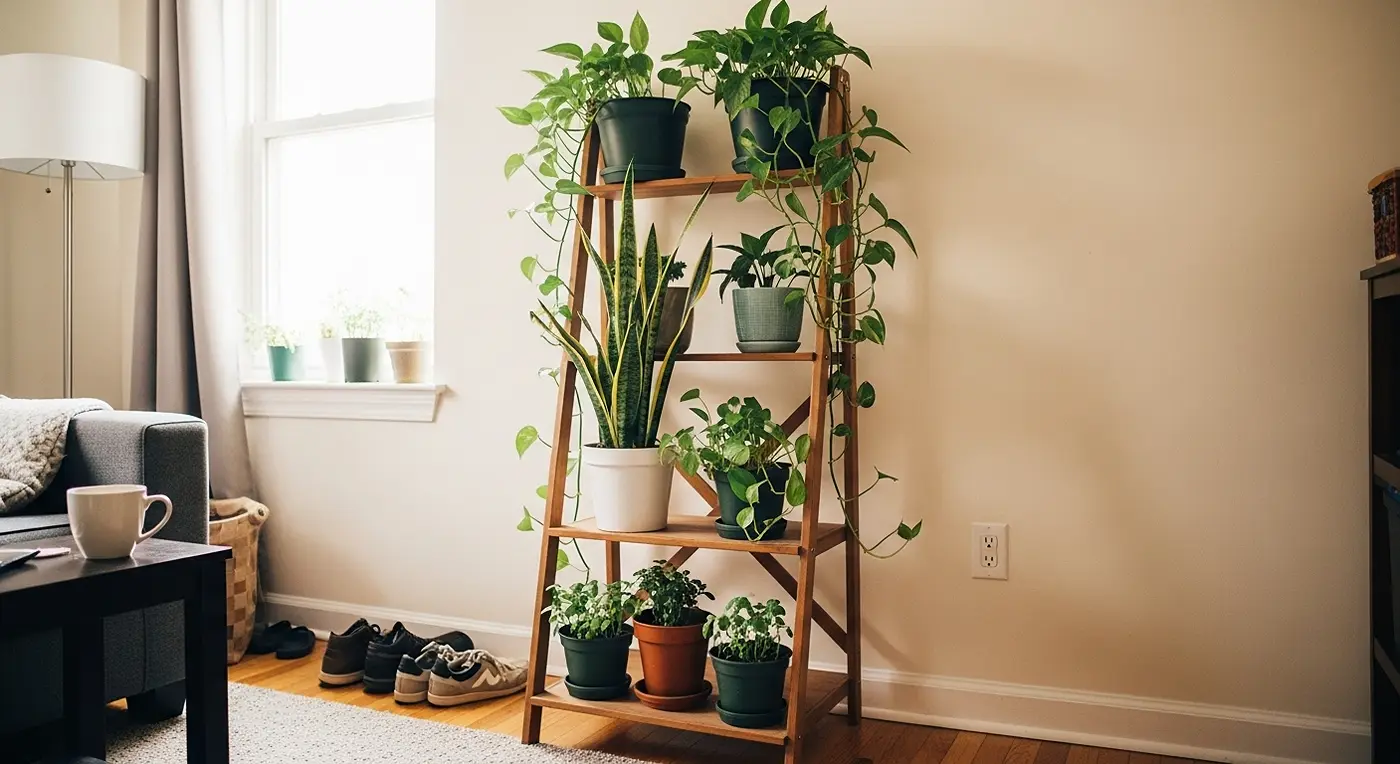
First, what “low light” means
Most of us hear “low light” and picture a windowless cave. In plant terms, low light usually means you can comfortably read a book during the day without turning on a lamp, but the sun does not directly hit the plant. Think north-facing windows, shaded courtyards, or rooms where the window is far from your plant spot.
One quick caveat: indoor light changes a lot depending on season, latitude, window size, and whatever is blocking your view (trees, other buildings, that one balcony that steals your sun). So treat these categories as guidelines, not laws.
- Bright indirect light: Near a window, no direct sun on leaves.
- Medium light: A few feet back from the window, still clearly daytime-lit.
- Low light: Across the room from the window, hallways with borrowed light, corners that stay shadowy.
If your space is truly windowless, you can still keep plants alive, but you will want a small grow light on a timer for consistency. Start around 10 to 12 hours a day and adjust based on how the plant responds.
Best low-light houseplants
These are the plants I recommend most for renters because they are forgiving, easy to find, and generally do not demand constant repotting or daily misting. For each, I am giving you a care baseline and my favorite small-space placement so it looks intentional, not like you are storing greenery wherever it fits.
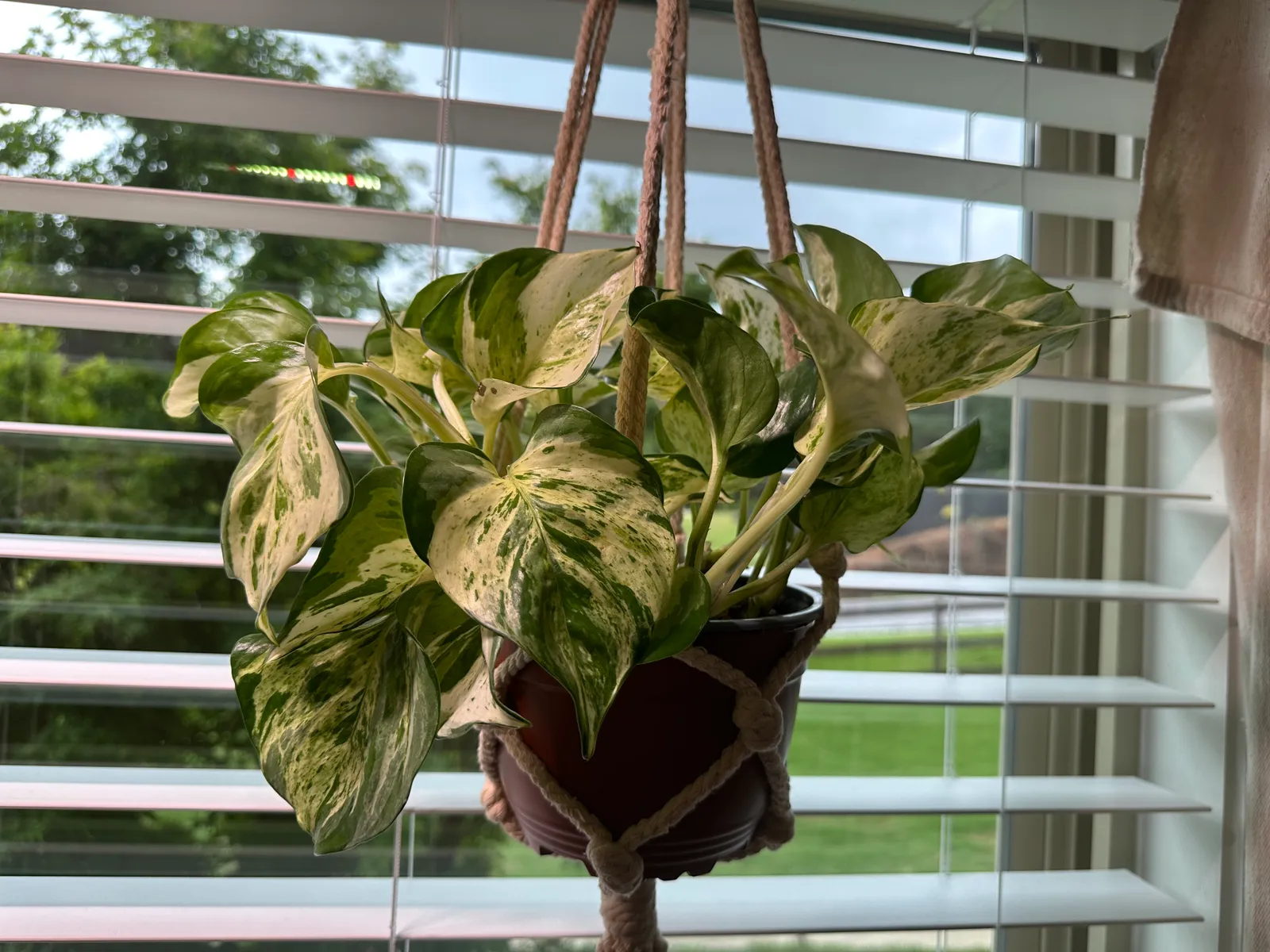
Pothos (Epipremnum aureum)
Why it works: Pothos is the MVP of low-light apartments. It will trail, fill space visually, and forgive you if you forget it exists for a week.
Care note: Water when the top 1 to 2 inches of soil feel dry. In lower light it drinks less, so slow down rather than speeding up. Trim long vines to keep it full.
Where to put it (small-space win): A hanging planter near a north-facing window, or on top of a bookcase so it can trail down without taking up floor space.
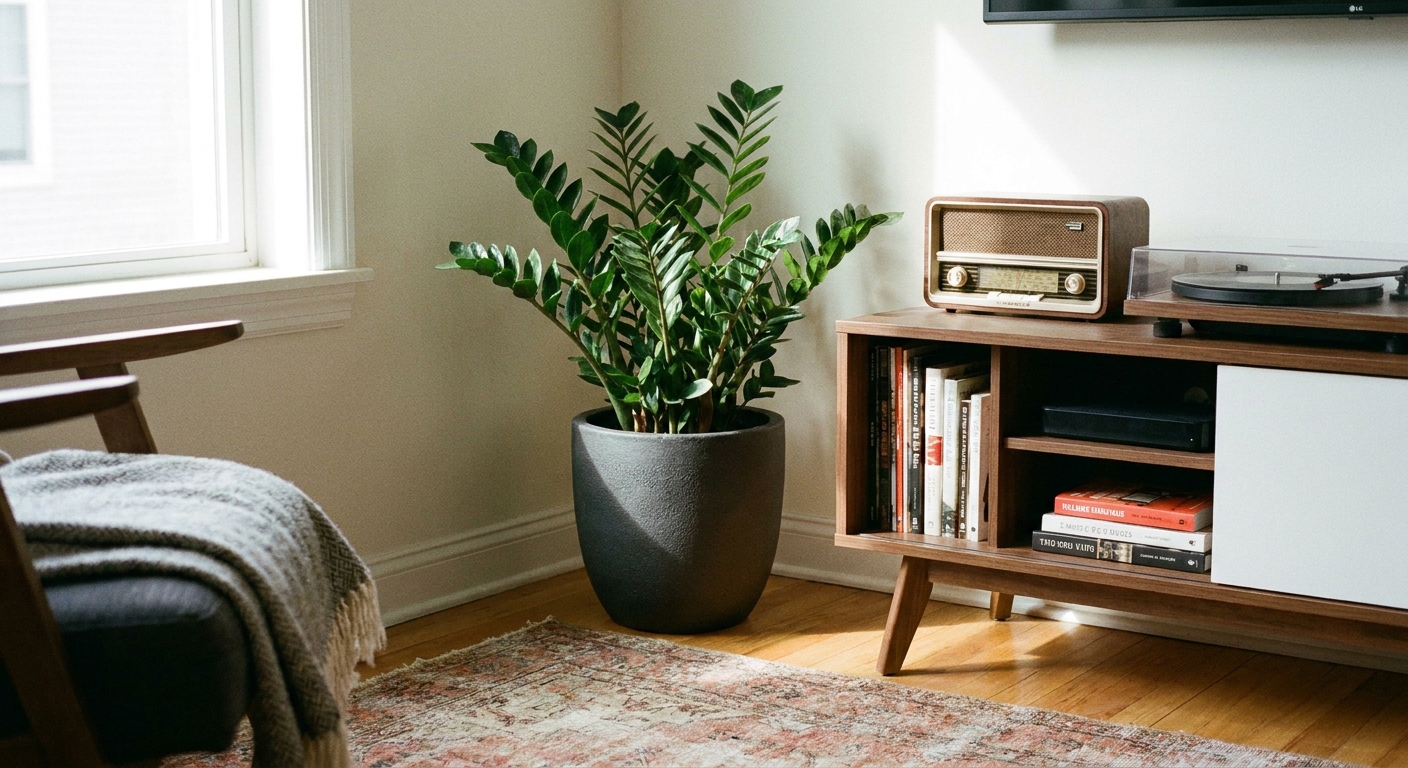
ZZ Plant (Zamioculcas zamiifolia)
Why it works: The ZZ plant is basically built for low-light, low-attention living. Its glossy leaves look polished even when you are not.
Care note: Let the soil dry out almost completely between waterings, then water thoroughly and let it drain. Overwatering is the fastest way to lose a ZZ plant because it stores water in thick rhizomes under the soil. A well-draining, chunkier potting mix helps a lot here.
Where to put it (small-space win): A tall corner pot where furniture cannot fit, like the gap between a media console and a wall. It adds height without adding clutter.
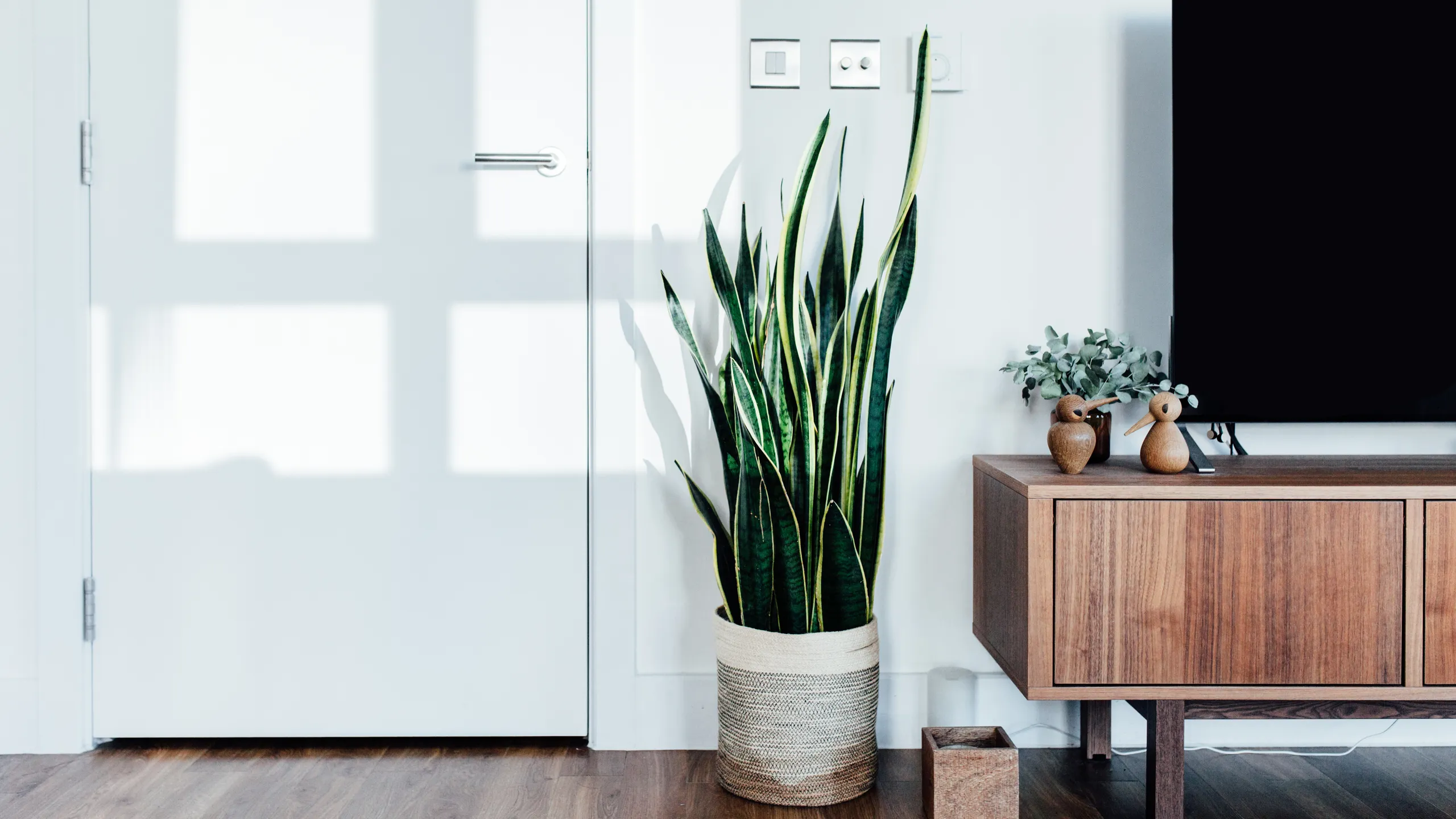
Snake Plant (Sansevieria, now Dracaena trifasciata)
Why it works: Upright, architectural, and incredibly tolerant. Snake plants read as decor even if you have a very minimal style.
Care note: Water sparingly, especially in winter. If you are unsure, wait. This plant prefers neglect to kindness. Use a fast-draining mix and avoid frequent small sips of water.
Where to put it (small-space win): A narrow spot by the entry, next to a dresser, or beside a desk where you want a vertical line that does not eat up surface space.
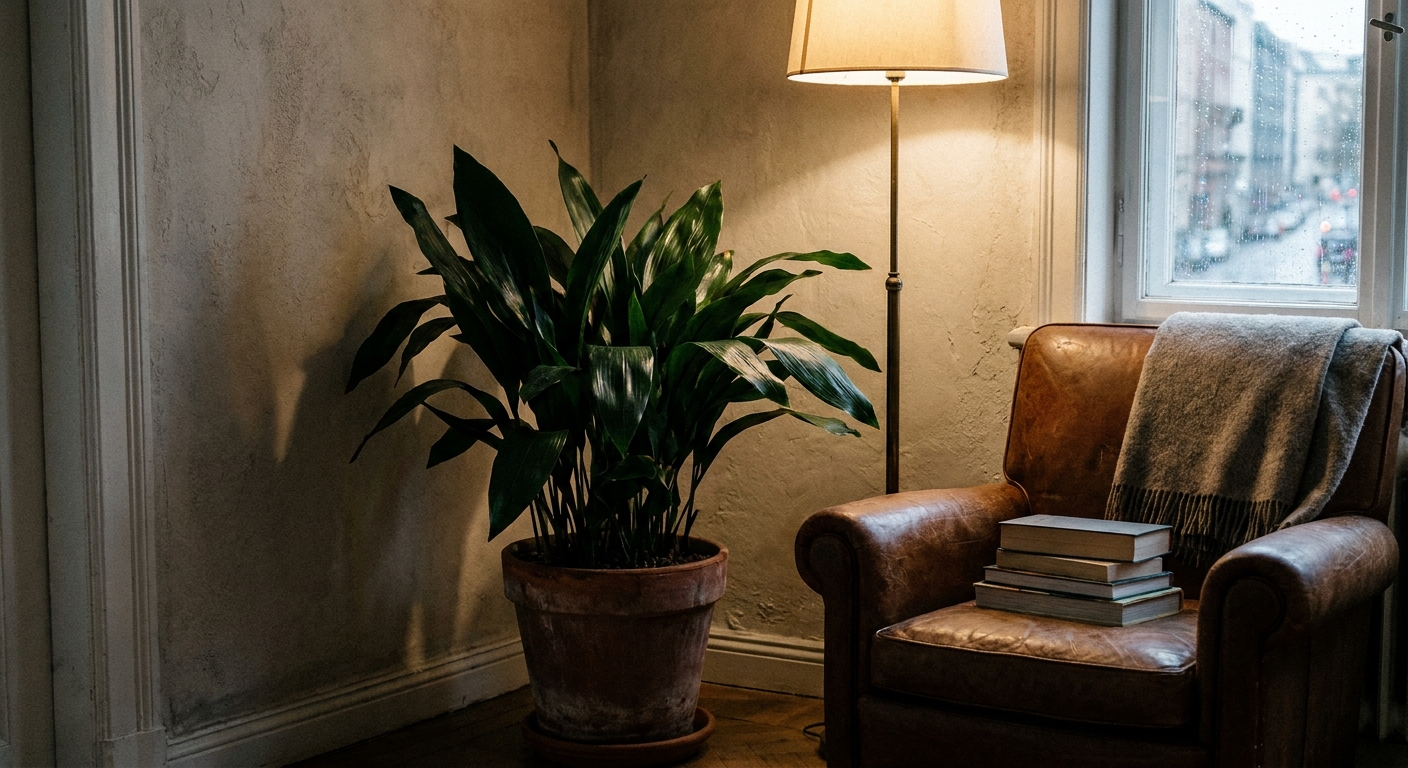
Cast Iron Plant (Aspidistra elatior)
Why it works: If you want a plant that quietly handles shade and inconsistent care, this is it. The leaves are broad and lush without being fussy.
Care note: Water when the top couple inches of soil dry out. It likes stability, so avoid moving it around constantly. Dust the leaves occasionally so it can photosynthesize better in low light.
Where to put it (small-space win): A very low-light corner that needs softening, like near a TV or next to a reading chair. It still needs some ambient daylight to truly live long-term, so if the spot is genuinely dark all day, pair it with a small grow light.
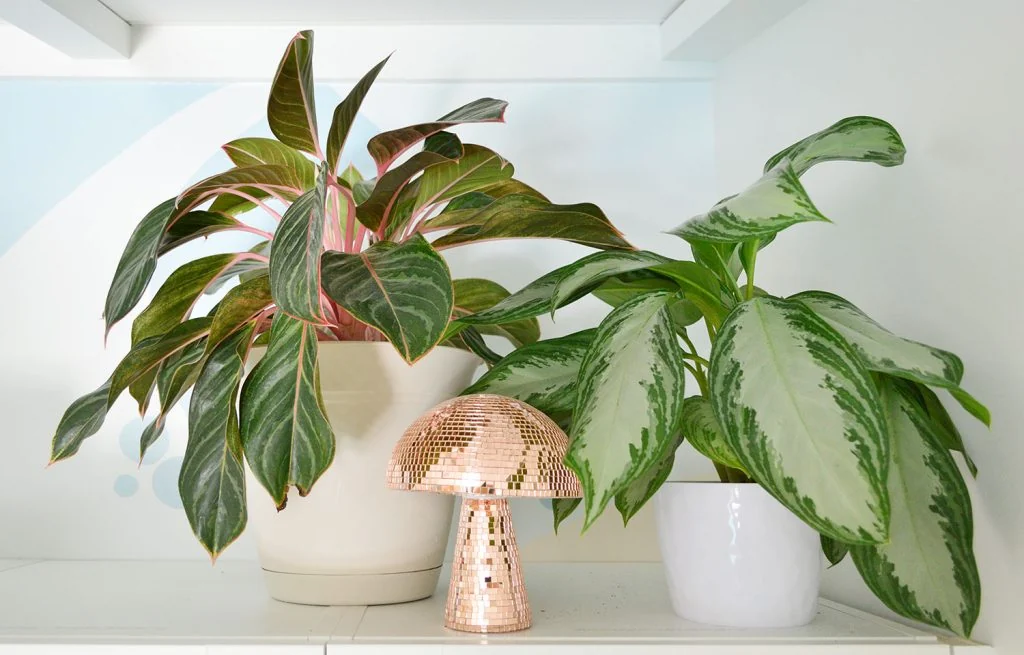
Chinese Evergreen (Aglaonema)
Why it works: Great for medium to low light, and it gives you color options beyond plain green. Many varieties have silver, pink, or red accents.
Care note: Keep the soil lightly moist but not soggy. Water when the top inch feels dry. It will tell you it is thirsty by slightly drooping.
Where to put it (small-space win): On a shelf or credenza away from direct sun, where its patterned leaves can do the styling work for you.
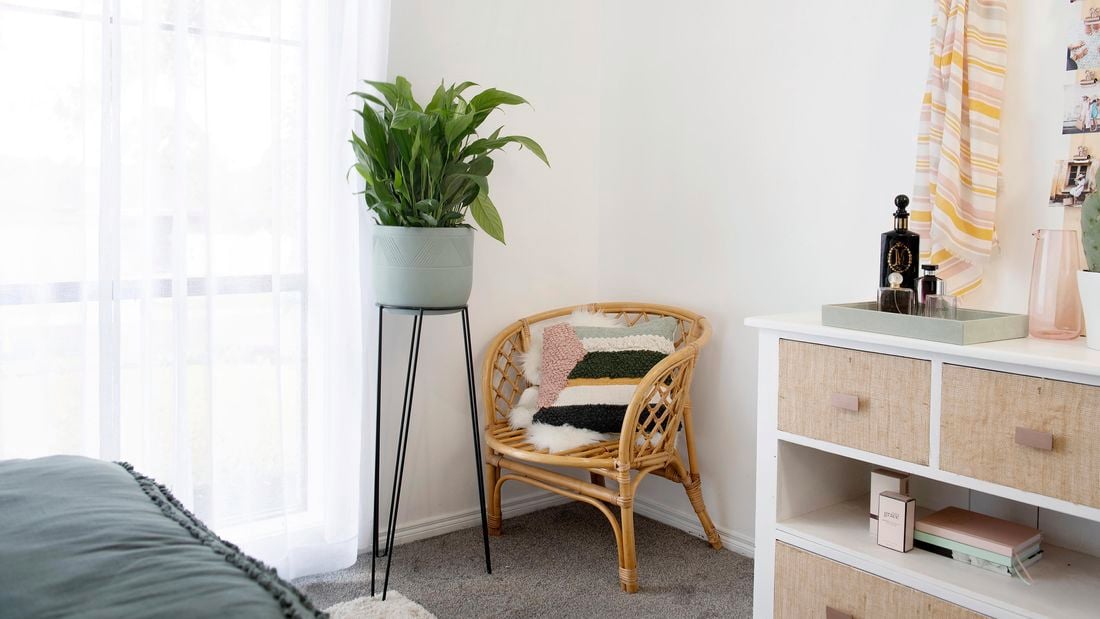
Peace Lily (Spathiphyllum)
Why it works: Peace lilies handle lower light better than many flowering-looking houseplants, and their leaves make a space feel softer instantly.
Care note: Water when the leaves start to droop slightly or when the top inch of soil dries, then water thoroughly and drain. They are dramatic, but in a helpful way. Use a pot with drainage. In lower light, expect it to stay mostly leafy, and blooms are less likely.
Where to put it (small-space win): Near the bathroom door or in a bedroom corner where it gets gentle ambient light. If your bathroom has a frosted window, even better.
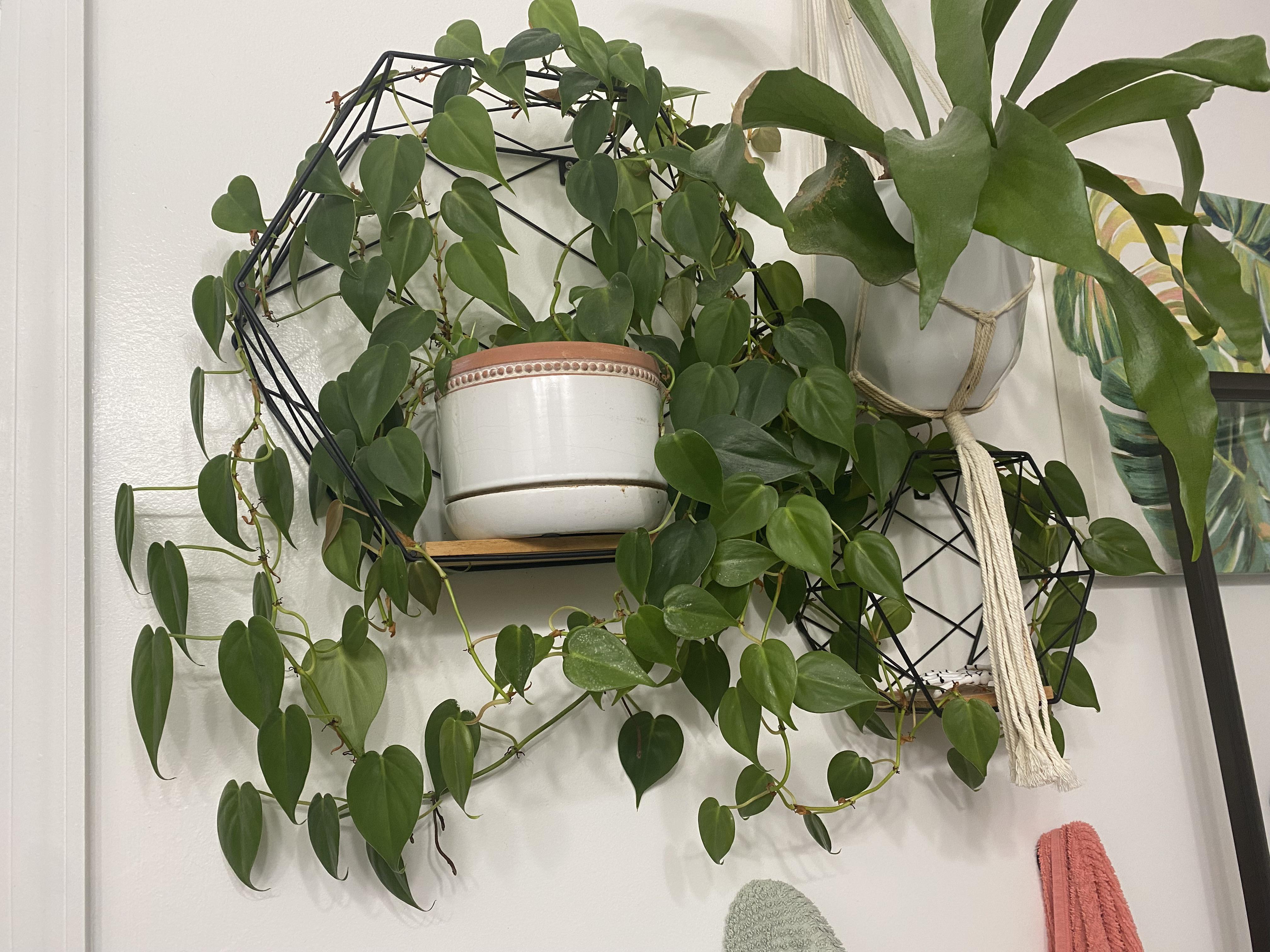
Philodendron (Heartleaf, Philodendron hederaceum)
Why it works: Like pothos’s slightly moodier cousin, heartleaf philodendron trails beautifully and copes with low light, though growth will slow.
Care note: Water when the top 1 to 2 inches are dry. Pinch back tips to encourage bushier growth instead of long, bare vines.
Where to put it (small-space win): In a hanging planter by a window, or on a high kitchen shelf where it can cascade without stealing prep space.
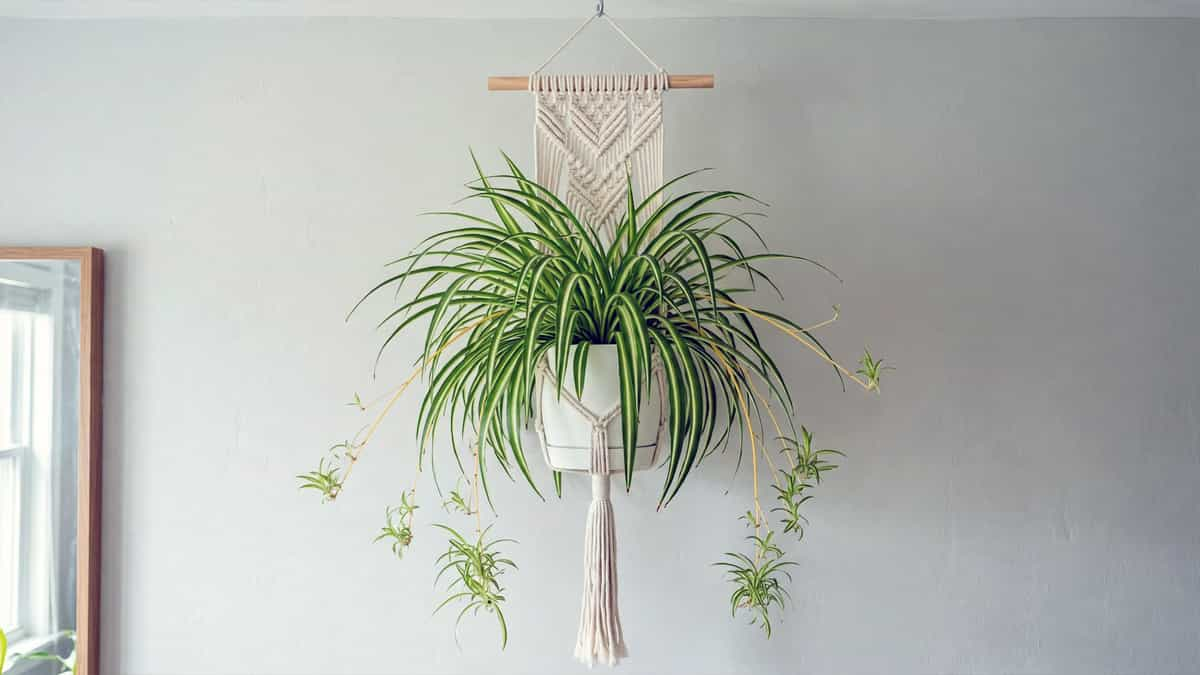
Spider Plant (Chlorophytum comosum)
Why it works: Spider plants are easygoing and look amazing when they send out little “babies.” They prefer brighter indirect light, but they tolerate lower light surprisingly well.
Care note: Water when the top inch dries. If leaf tips brown, try using filtered water or letting tap water sit out overnight before watering. Spider plants are generally considered non-toxic to cats and dogs, though chewing can still cause mild stomach upset (and some cats get weirdly obsessed with the leaves).
Where to put it (small-space win): A hanging planter or macramé hanger near a window, or on a tall fridge-top tray if your kitchen gets decent ambient light.
Pet and kid safety
If you share your apartment with a curious cat, a dog who eats houseplants for sport, or a tiny human who puts everything in their mouth, do a quick safety check before you buy. Several popular low-light plants (including pothos, philodendron, peace lily, snake plant, ZZ plant, and many aglaonemas) are considered toxic if chewed. If that is your household, go for safer choices (like a spider plant) and place any questionable plants up high, in a hanging planter, or in a room your pet cannot access.
Small-apartment placement rules
- Go vertical first: Hanging planters, wall shelves, and tall plant stands add greenery without stealing walking space.
- Match plant shape to the job: Upright plants (snake plant, ZZ) solve corners. Trailing plants (pothos, philodendron) soften hard lines on shelves and cabinets.
- Keep plants out of bump zones: If you are clipping the pot with your hip daily, it is not the right spot. Choose corners, above-eye-level shelving, or tucked side tables.
- Use a saucer and a cachepot: In rentals, protecting floors matters. Keep a nursery pot inside a decorative outer pot, and empty standing water after watering.
Common low-light mistakes
Overwatering
In low light, plants photosynthesize less and grow slower. That means they use water slower. If you water on the same schedule you would use in a bright apartment, you can accidentally drown the roots. When in doubt, check the soil with a finger, a chopstick, or a moisture meter. Also, water fully and let it drain instead of giving frequent little top-offs.
No drainage
Low light plus no drainage is a rough combo. If you love the look of a pot without holes, use it as a cachepot and keep the plant in a plastic nursery pot inside.
True darkness
Even the toughest plants need some light. If a spot is genuinely dark all day, add a small grow light bulb in a lamp nearby and set it on a timer. Start around 10 to 12 hours and adjust based on growth.
Dusty leaves
Dusty leaves block precious light. Wipe broad leaves (ZZ, cast iron, peace lily) with a damp cloth once a month. In a dim apartment, this tiny habit makes a real difference.
Signs of too little light
Low-light tolerant plants rarely complain loudly at first. They just slowly stop thriving. Watch for these signals:
- Leggy, stretched growth: Long stems, bigger gaps between leaves, vines that look sparse.
- Leaves getting smaller: New growth appears but looks undersized.
- Slow or no growth for months: Especially in spring and summer when growth should pick up.
- Yellowing lower leaves: Can also be overwatering, so check soil moisture too.
- Plant leaning hard toward the window: A classic “I am searching for light” move.
If you see these, try one simple upgrade: move the plant 2 to 4 feet closer to the window, rotate it weekly, and reduce watering slightly while it adjusts. In a tiny apartment, small shifts can change everything.
My quick shopping tip
If you are choosing between two plants at the shop, pick the one with upright, firm stems, clean leaves, and no sour smell coming from the soil. Funky-smelling soil often means it has been kept too wet, which is a tough starting point for a low-light home.
And remember, you do not need more square footage. You just need a good corner, a decent pot, and a plant that is willing to play on hard mode with you.