Musty apartment air is usually moisture plus nowhere for it to go. Here are renter-friendly fixes, from fast ventilation to cleaning odor hotspots and contro...
Space Ovo
Window Condensation in a Small Apartment: 7 Renter-Friendly Fixes
Foggy, dripping windows are common in small apartments. Learn why it happens and try 7 no-drill, renter-friendly fixes to reduce condensation, prevent mold, and protect your sills.

Maya Brooks
Maya Brooks is an interior stylist and layout enthusiast who believes square footage should never dictate your home's style. After a decade of navigating cramped city studios, she shares practical, renter-friendly decorating and storage solutions to help others maximize their tiny spaces.
If your windows look like they are crying every morning, you are not alone. In my tiniest San Francisco studio, I used to wake up to fogged glass, wet sills, and that faint “uh-oh” musty smell if I forgot to wipe things down. Small apartments are basically humidity magnifiers. One shower, one pasta night, one load of air-dried laundry and suddenly your windows are running a little weather system of their own.
The good news: most window condensation is fixable with renter-friendly habits and a few small purchases. The goal is simple: lower indoor moisture and improve airflow so warm, humid air does not keep hitting cold glass and turning into water.
Why windows fog and drip in small apartments
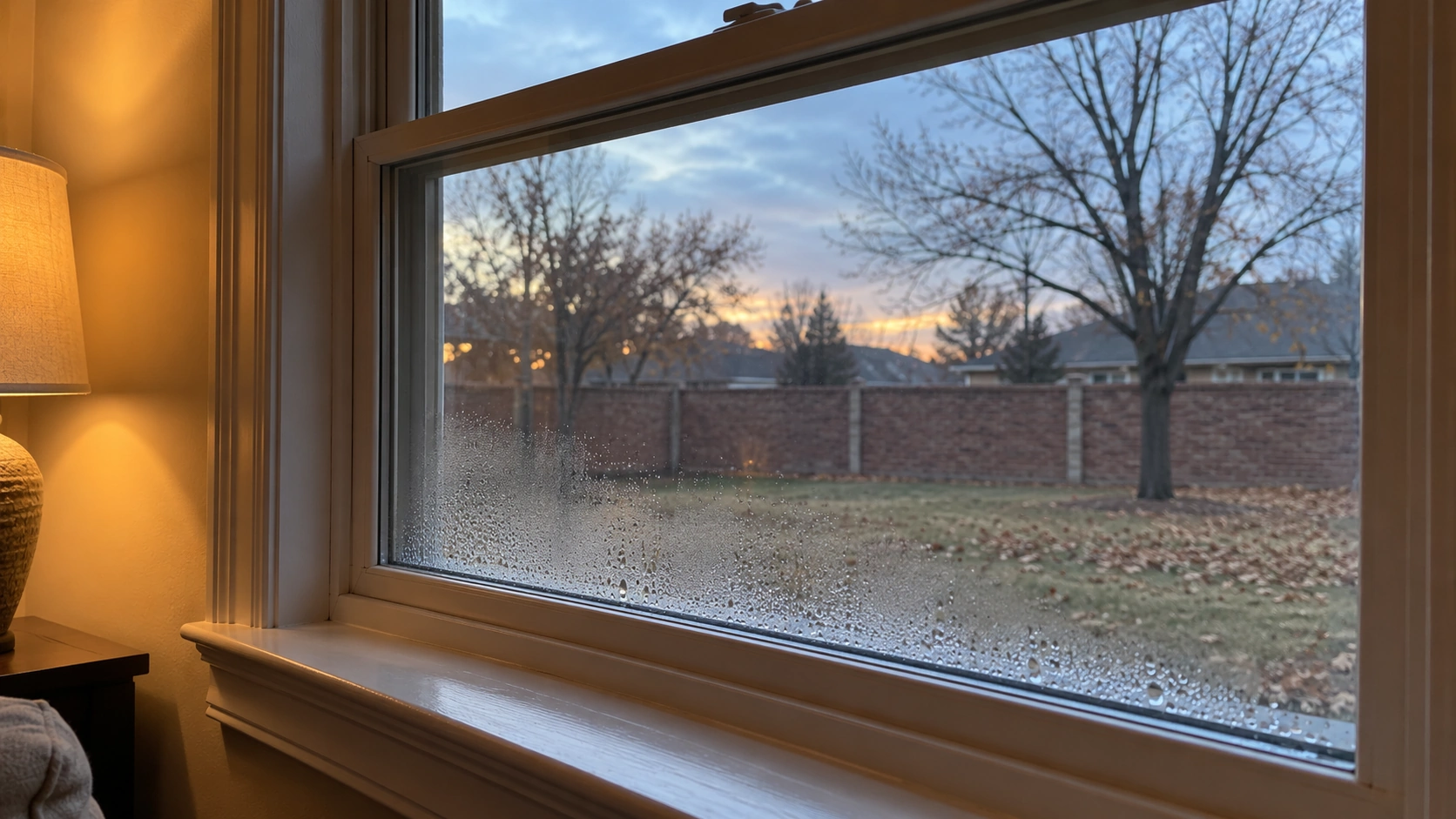
Condensation happens when warm, moisture-heavy indoor air touches a colder surface, like window glass in winter or during cool nights. That moisture turns into water droplets on the glass and can pool on the sill.
In a small apartment, humidity builds faster because there is less air volume to buffer everyday moisture. The most common culprits are:
- Showers and baths: Steam spreads beyond the bathroom quickly, especially if the fan is weak or the door is open.
- Cooking: Boiling water, simmering soups, and running the dishwasher all release moisture.
- Indoor laundry drying: A drying rack can add a surprising amount of moisture to the air, sometimes liters depending on load size and spin efficiency.
- Poor airflow: Closed doors, blocked vents, and furniture pushed tight to windows keep humid air trapped.
- Cold glass: Single-pane or older windows get cold fast, so they collect more moisture.
A little fog is normal sometimes. The problem is when you see daily dripping, pooling water, peeling paint, swelling trim, or any dark speckling that hints at mold.
7 renter-friendly fixes for foggy, dripping windows
Pick two or three of these first. Condensation is usually a “combo problem,” so it responds best to layered solutions.
1) Do a quick, strategic ventilation burst
You do not need to keep windows cracked all day. What helps most is a short, high-impact air swap.
- Open two windows on opposite sides of your apartment for 5 to 10 minutes to create a cross-breeze.
- Do it after showering, after cooking, and once in the morning if your windows wake up wet.
- If it is freezing outside, keep interior doors open during the burst so humid air can escape fast.
This is the “Tetris master” approach: quick, efficient, and it resets the whole board.
2) Use your exhaust fans like they actually matter
Bathroom and kitchen fans are not background noise, they are your moisture bouncers.
- Bathroom: Run the fan during your shower and for 20 to 30 minutes after.
- Kitchen: Use the range hood when boiling or simmering. If it vents out, great. If it recirculates, still use it, but pair it with a ventilation burst.
- Keep the bathroom door mostly closed while showering if the fan is inside the bathroom. Just make sure the fan still has make-up air (a small gap under the door helps).
If a fan is loud but seems useless, the cover may be dusty and clogged. Many pop off without tools for a careful cleaning. If it still barely moves air, that is worth reporting.
3) Keep lids on pots and crack the bathroom window (if you have one)
This one is boring, but it works. Every lid you use is less moisture released into your room.
- Cover boiling water and simmering sauces.
- Use the back burners under the hood when possible.
- If your bathroom has a window, crack it during and after showers for a few minutes, even if the fan is running.
4) Add a small dehumidifier or moisture absorbers
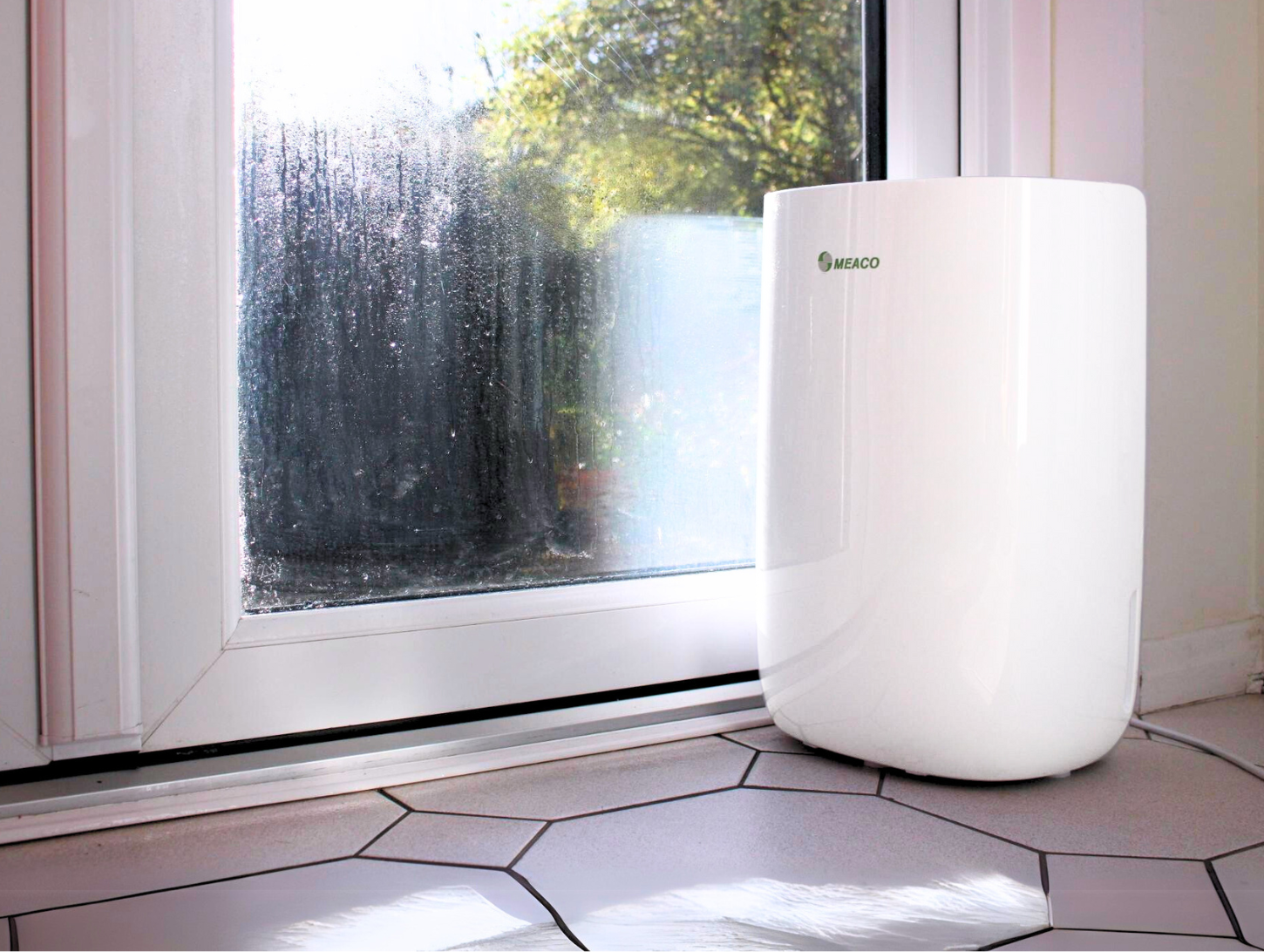
If your apartment consistently reads humid, a dehumidifier is the most direct fix you can buy. You are literally removing water from the air.
- Small compressor dehumidifiers work best for persistent humidity, but they can be heavier and louder.
- Compact thermoelectric models are quieter and smaller, but typically remove less water per day.
- Moisture absorbers (the tub or hanging bag type) are low-maintenance and good for closets, bedrooms, or window corners, but they are not as powerful for whole-room problems.
Placement tip: set the unit a few feet away from the problem window, not directly under dripping water, and keep airflow around it clear.
5) Move your drying rack away from windows and soft furniture
I love a drying rack. I do not love what it does to a 350-square-foot apartment’s humidity.
- Place the rack in the best-ventilated spot, not right next to your coldest window.
- Run the bathroom fan and dry a smaller batch at a time.
- If you have a closet-like bathroom, drying a few items in there with the fan running can keep the moisture contained.
- Spin extra: if your washer has a higher spin setting, use it. Less water in fabric means less water in your air.
If condensation spikes on laundry day, this is likely your biggest lever.
6) Keep curtains, blinds, and furniture off the glass
When fabric touches cold glass, it traps a pocket of damp air and becomes a condensation sponge. Same goes for a bed or sofa shoved right against the window.
- Leave a 1 to 3 inch gap between curtains and the window, especially at night.
- Open curtains or raise blinds during the day to let the window warm up.
- Pull furniture slightly forward so air can circulate along the window wall.
Small-space reality check: even a two-inch scoot can make a difference, and it often makes the room feel less cramped, too.
7) Try removable window film to warm the inside surface
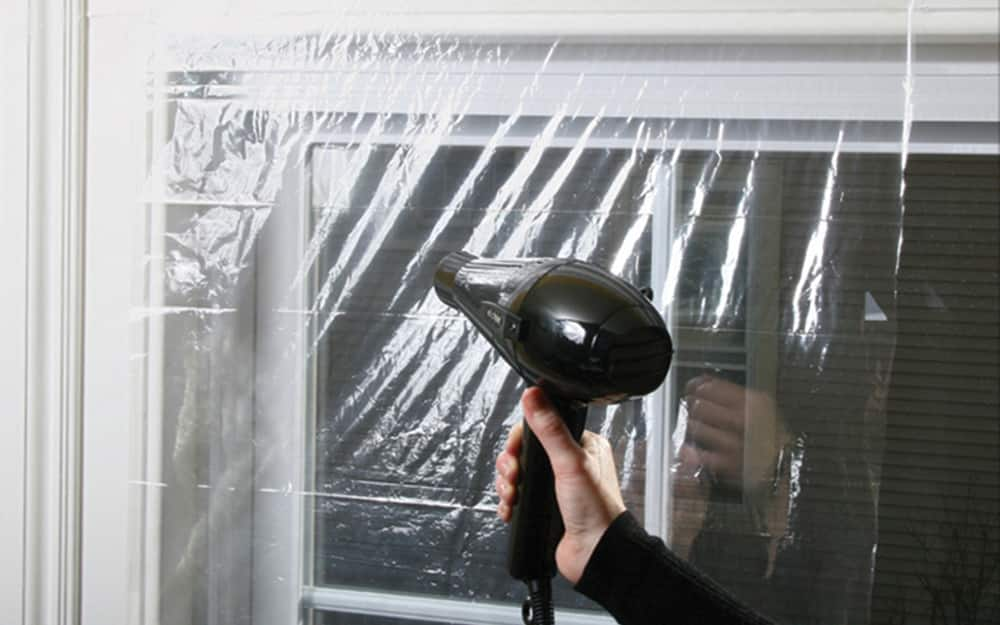
If your windows are single-pane or extra chilly, removable insulating window film can help by creating a thin air barrier that keeps the interior surface warmer. Warmer surface equals less condensation.
- Look for seasonal, removable insulation film kits that use tape and shrink with a hair dryer.
- For bathrooms or privacy needs, removable privacy film can help you keep coverings off the glass (so you can open blinds) while still feeling comfortable.
- Make sure the sill is clean and dry before applying anything so it adheres well and does not trap existing moisture.
- Check the edges and frame periodically, especially after big temperature swings, to make sure water is not collecting where you cannot see it.
Do not skip this: wipe sills and tracks to prevent mold
Even if you do every fix above, you will still get condensation during certain weather swings. What matters is not letting water sit.
- Wipe the glass and sill when you notice pooling. A microfiber cloth works best.
- Dry the window tracks, too. They hold water longer than you think.
- If you see grime or early speckling, clean with soap and water first. Dry completely after.
- Keep an eye on paint bubbling, soft wood, or swelling trim. That is moisture damage, not just “normal fog.”
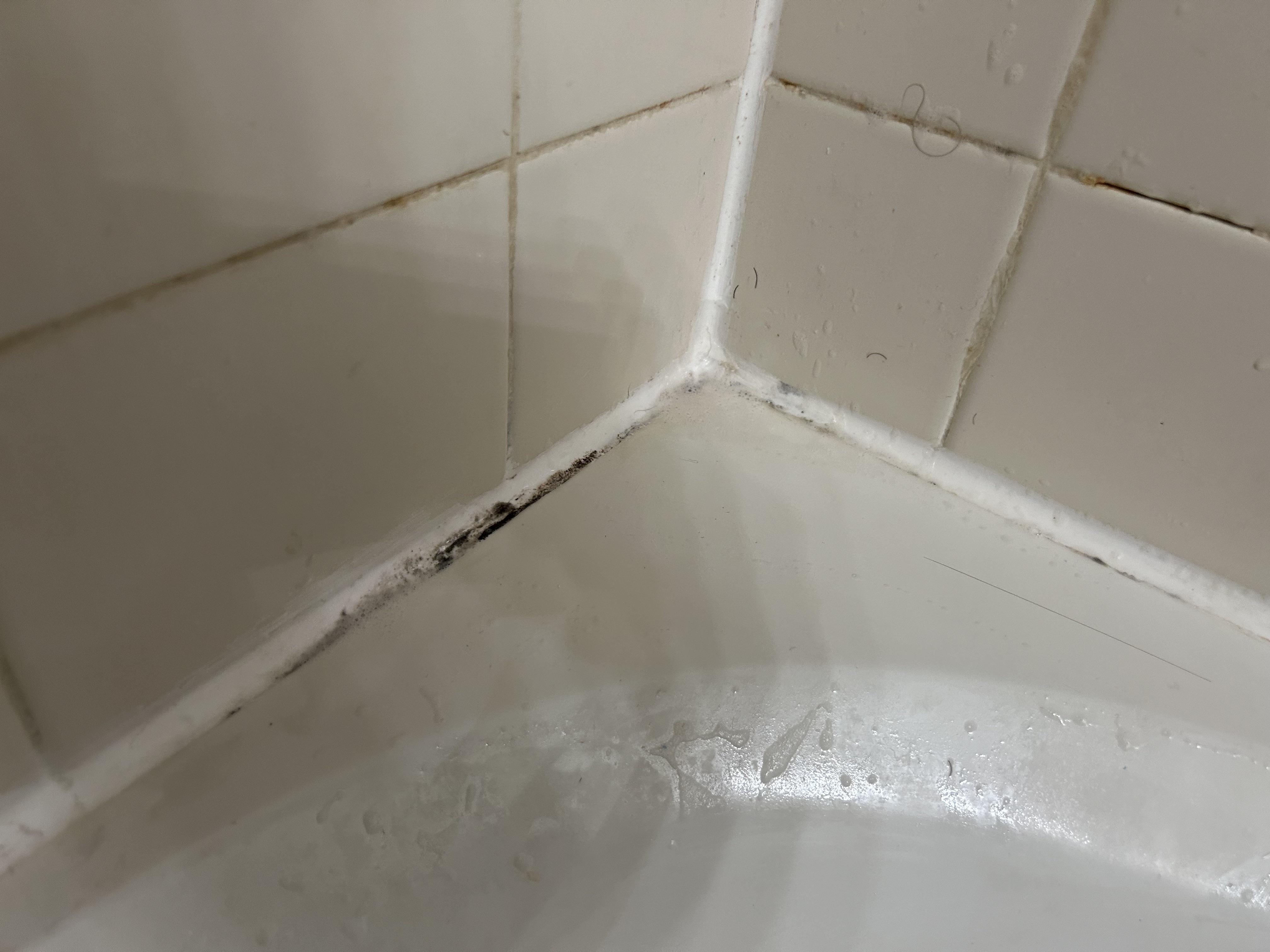
If you spot a small, surface-level area of mildew on a non-porous surface, you may be able to clean it safely, following local guidance and product instructions. If mold keeps coming back, covers more than a small area, or you suspect it is inside walls or around the window frame, escalate to your landlord promptly.
When condensation is a landlord problem (not a you problem)
Some moisture is lifestyle-related. But ongoing dripping can also point to building issues like failed seals, poor ventilation, or leaks around the window frame. Report it if:
- Condensation is daily and heavy even when you ventilate and run fans.
- You see water inside the wall, peeling paint, crumbling drywall, or stained trim.
- There is a musty smell that returns no matter how often you clean and dry.
- You notice drafts, rattling panes, or visible gaps around the window.
- Your bathroom fan does not seem to vent effectively, or there is no bathroom fan in an interior bathroom.
When you reach out, be specific. Tell them where the moisture is collecting, how often, and what you have tried. A quick phone photo of the wet sill can help, too.
Fast troubleshooting: what to try first
- Only foggy after showers: run the fan longer, keep the bathroom door mostly closed (with a little make-up air), do a 5-minute ventilation burst.
- Only foggy when cooking: use lids, run the hood, crack a window briefly.
- Worst on laundry days: move the drying rack, dry smaller loads, add a dehumidifier.
- Always foggy in cold weather: keep curtains off the glass, try removable insulation film, consider a dehumidifier, and avoid big thermostat drop-offs overnight if morning condensation is your pattern.
A few quick “do nots”
- Do not block vents. Keep HVAC supply and return vents clear, even in a tiny layout. Air circulation matters.
- Do not use an oven or unvented gas appliance as a space heater. It adds moisture (and can be unsafe).
- Do not let wet towels and bathmats pile up. Hang them to dry where there is airflow, or they become a humidity source.
FAQ
Is window condensation dangerous?
The water itself is not dangerous, but persistent moisture can lead to mold growth and damage window sills, paint, and trim. If you are wiping daily and still seeing pooling or musty smells, treat it as a real home-maintenance issue.
Why is condensation worse at night?
Outdoor temperatures drop, window glass gets colder, and many of us close curtains and doors, which traps humid air against the glass. That is the perfect recipe for morning drips.
Will cracking a window make my heating bill explode?
A short 5- to 10-minute cross-ventilation burst is usually more efficient than leaving one window slightly open all day. You get the humid air out quickly, then close up and let your place warm back up.
What humidity level should I aim for?
Many homes feel best around 30% to 50% relative humidity. In colder climates during winter, 30% to 40% is often more realistic if you are trying to reduce window condensation. If you are consistently above 50% in cold weather, foggy windows become much more likely.
Should I buy a hygrometer?
If you like solving problems with numbers, yes. A basic hygrometer is inexpensive and takes the guesswork out. Place it in the main living area, away from direct steam (not right next to the shower or boiling pot), and check it at different times of day to spot patterns.